Veggie Wars: Tomato vs. Cucumber

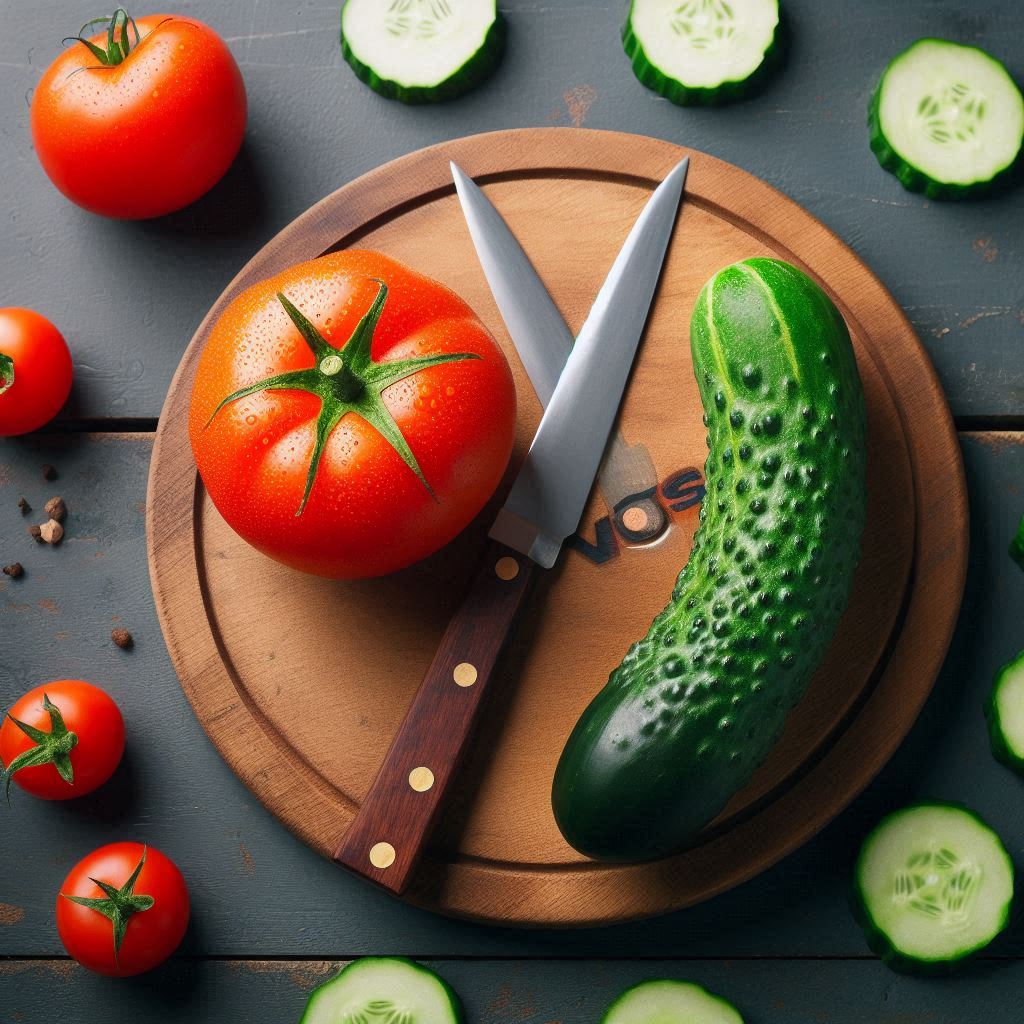
Tomatoes and cucumbers are veggies you see in lots of gardens and use in many meals. They’re both super common, but they have their unique things to offer. Instead of saying which one is “better” in this tomato vs cucumber comparison, we’re going to take a closer look at what makes each of them special. We’ll talk about the different healthy stuff inside each one, all the yummy and different ways you can cook with tomatoes and cucumbers, and even how they like to grow in your garden.
Knowing these differences in tomato vs cucumber can help you make good choices about what you eat to stay healthy, how you can get creative in the kitchen, and what you might want to plant if you’re thinking about tomato vs cucumber in your garden.
Nutritional Powerhouses: Comparing What’s Inside
Now, let’s explore what makes each of these garden favorites so good for you. We’ll break down the key vitamins, minerals, and other beneficial compounds that tomatoes and cucumbers offer. Understanding their nutritional profiles can help you make informed choices for a healthier diet.
Tomatoes
Beyond their delicious taste, tomatoes offer a remarkable range of health benefits thanks to their rich nutrient profile. From boosting immunity to supporting vision and heart health, these popular fruits are more than just a flavorful addition to your meals.
These vibrant red gems are a treasure trove of nutrients!
- Vitamin C: Essential for boosting your immune system and aiding in the healing process. A single medium tomato can provide a significant dose.
- Vitamin A: Crucial for maintaining healthy vision and skin. Tomatoes are rich in beta-carotene, which the body converts to Vitamin A.
- Potassium: Helps regulate muscle and nerve function while supporting healthy blood pressure. Tomatoes are a reliable source of this mineral.
- Lycopene: A powerful plant compound that gives tomatoes their red color. Lycopene acts as an antioxidant, protecting cells from damage and potentially benefiting heart health and reducing certain disease risks, though more research is needed.
- Other Nutrients: Tomatoes also include fiber, folate, and Vitamin K for overall health.
So that you know
Indeed, factors like the variety of tomato, its ripeness, and even the growing conditions can influence its nutritional content. This variability is a great reminder of why a diverse and balanced diet is key—different types of tomatoes can bring slightly different benefits to the table!
The numbers provided here are a general guide to give you a good idea of the nutritional benefits you can expect from a medium-sized raw tomato. On average, one medium raw tomato (about 123 grams) provides:
- Calories: 22
- Vitamin C: Around 28% of your daily needs
- Vitamin A: A good supply from beta-carotene
- Potassium: A strong contributor
Cucumbers
Cucumbers, celebrated for their fresh, crisp bite and gentle flavor, go beyond mere hydration to deliver key nutrients that support a healthy lifestyle. Packed with essential vitamins like K and C, along with minerals such as potassium and magnesium, they make an excellent addition to your meals. Including these versatile vegetables in your diet promotes not only refreshment but also overall well-being.
- Hydration: Cucumbers, which are about 96% water, are a fantastic way to stay hydrated, particularly during warm weather.
- Vitamin K: Key for healthy blood clotting and bone strength. Cucumbers, especially with the skin left on, are a good source of Vitamin K.
- Vitamin C: Like tomatoes, cucumbers contain Vitamin C to bolster your immune defenses.
- Magnesium: An essential mineral for muscle function, blood sugar regulation, and maintaining healthy blood pressure. Cucumbers offer a modest amount.
- Potassium: Also present in cucumbers, this mineral aids heart health and muscle activity.
- Cooling and Digestive Benefits: Cucumbers can have a cooling effect on the body, thanks to their high water content. Their fiber content also supports digestion.
So that you know
Nutrient levels vary, but generally, one medium raw cucumber (about 300 grams with peel) contains:
- Calories: 45
- Water Content: Exceptionally high (around 96%)
- Vitamin K: A solid source
- Potassium: A decent level
Tomato vs. Cucumber: A Quick Nutritional Comparison
Both are excellent choices for health! Tomatoes shine with higher levels of Vitamin C and Lycopene, offering potent antioxidants. Meanwhile, cucumbers excel in hydration and Vitamin K content, crucial for blood health. Both provide important minerals like potassium, supporting vital bodily functions, making them a perfect pair for diverse nutrition.
Consider them complementary allies in your healthy eating plan. Their distinct nutrient profiles ensure you’re covering a wider range of your dietary needs. So, don’t choose one over the other – embrace the nutritional synergy they offer!
In the Kitchen: So Many Ways to Enjoy Tomatoes and Cucumbers
Both tomatoes and cucumbers bring their unique strengths to the table, and when paired together, they create harmonious and irresistible dishes. In a classic Greek salad, the juicy sweetness of tomatoes contrasts beautifully with the crisp freshness of cucumbers, enhanced by olives and feta cheese. In a Caprese salad, tomatoes shine with their rich, tangy flavor, while cucumbers can add a cooling twist to balance the creamy mozzarella and fragrant basil. Summer gazpacho captures their synergy perfectly, blending the vibrant acidity of tomatoes with the refreshing crunch of cucumbers into a chilled, flavorful soup. Their complementary qualities make them a staple duo in many culinary creations. Ready to explore their roles further? Let’s dive into the specifics!
Tomatoes in the Kitchen
Tomatoes boast a delightful combination of sweetness, tanginess (thanks to their acidity), and a savory depth known as umami. This makes them incredibly adaptable in recipes.
- Fresh Uses: Slice tomatoes for vibrant salads, layer them in flavorful sandwiches, or dice them into a tangy salsa for an extra kick.
- Cooking Enhancements: Cooking tomatoes enhances their natural sweetness, making them ideal for creating sauces—from quick, simple ones to richly simmered varieties. They add depth to soups and stews, and roasting tomatoes intensifies their flavor while softening their texture. If you have an abundance, preserving them through canning ensures you enjoy them later!
- Processed Delights: Tomatoes are transformed into beloved products like ketchup, tomato juice, and concentrated pastes, bringing bold flavor to countless dishes.
Different tomato varieties serve specific purposes. For instance, Roma tomatoes are perfect for smooth sauces due to their firm texture and minimal juice. Heirloom tomatoes, with their diverse colors and flavors, are best savored raw in salads where their uniqueness shines.
Cucumbers in the Kitchen
Cucumbers offer a fresh, mild taste with a hint of bitterness in the skin. Their high water content gives them a satisfying crunch.
- Fresh Uses: Cucumbers add a crisp element to salads, enhance sandwiches with light moisture, and are ideal for pickling to create tangy treats. They also feature in refreshing cold soups like gazpacho and pair beautifully in cooling raitas found in Indian cuisine.
- Cooking Applications: Although less common, cucumbers can be lightly cooked in stir-fries or used in soups for a subtle flavor and texture.
- Refreshing Drinks: Cucumbers are perfect for infusing water or adding a clean, crisp taste to juices, enhancing their refreshment.
Different cucumber types excel in specific uses. English cucumbers are prized for salads due to their thin skin and fewer seeds. Smaller, firmer cucumbers are the preferred choice for pickling.
Tomato vs. Cucumber: Different Strengths in Cooking
Tomatoes stand out for their rich, savory qualities and versatility in sauces and cooked dishes, thanks to their ability to break down and create hearty bases. On the other hand, cucumbers bring a light, refreshing crunch and are unbeatable in raw dishes or beverages. Together, they complement each other beautifully in the kitchen!
Tomatoes’ natural acidity makes them ideal for preservation through methods like canning and drying, ensuring their vibrant flavors can be enjoyed well beyond harvest season. In contrast, cucumbers’ high water content gives them a refreshing quality, making them the perfect companion to balance richer or spicier dishes. Together, they highlight their unique strengths, adding versatility and depth to countless culinary creations. Their complementary characteristics truly enrich a variety of recipes.
Growing Them in Your Garden: What They Need
To get the best harvest from your tomatoes and cucumbers, it’s important to give them the right conditions. Sunlight, soil, and water play crucial roles in their growth and fruit development. Here’s a closer look at what each of these popular garden veggies needs to flourish.
Growing Tomatoes
Ready to cultivate your juicy red treasures? Growing tomatoes can be a productive experience, and with a few key steps, you’ll be on your way to a delicious harvest. Let’s delve into the essentials for nurturing healthy and productive tomato plants in your garden. From choosing the perfect location to understanding their basic needs, we’ll cover what it takes to help your tomatoes flourish.
- Sunlight: Tomatoes thrive in sunny spots, needing 6 to 8 hours of direct sunlight each day for optimal growth and fruit production.
- Soil: Choose well-drained, rich, loamy soil that retains some moisture but doesn’t stay waterlogged.
- Watering: Provide consistent, deep watering, particularly when the plants are setting fruit, to avoid issues caused by uneven moisture.
- Support: Tall, vining tomato varieties often require stakes, cages, or trellises to keep them upright and make harvesting easier.
- Common Challenges: Tomatoes can encounter pests and diseases, so regular monitoring is important.
Tomatoes come in two growth types:
- Determinate (Bush): These compact plants grow to a certain size and produce their fruit all at once—great for small spaces and low-maintenance gardening.
- Indeterminate (Vine): These vigorous growers keep producing fruit throughout the season, requiring tall supports and regular care.
As warm-season plants, tomatoes are sensitive to frost. Plant them after all danger of frost has passed in your region.
Growing Cucumbers
While tomatoes bask in the heat and require sturdy support, cucumbers have their own preferences for sunshine and soil. Often requiring less intensive care in some aspects, cucumbers bring a different dynamic to the vegetable patch. Let’s delve into their specific needs.
- Sunlight: Cucumbers love the sun and need at least 6 hours of direct sunlight daily for healthy growth.
- Soil: They prefer well-drained soil enriched with organic matter, such as compost.
- Watering: As cucumbers are mostly water, consistent watering is crucial for their development.
- Support: While bush types exist, most cucumber varieties grow best with trellises to save space and keep the fruit clean.
- Common Challenges: Cucumbers can be affected by powdery mildew, a white fungus on their leaves, and may attract pests.
Cucumber growth habits include:
- Vining: These long vines spread out or climb trellises, producing fruit over an extended period.
- Bush: Compact varieties are ideal for containers or small gardens.
Like tomatoes, cucumbers are warm-season plants, vulnerable to frost and cold temperatures.
Tomato vs. Cucumber: What to Consider for Your Garden
Tomatoes often require more attention, especially indeterminate varieties that need regular pruning and support. They can be more prone to diseases. Cucumbers, particularly bush types, are easier to manage in smaller spaces. Consider your available space, gardening time, and harvest preferences when deciding whether to grow tomatoes, cucumbers, or both!
Ultimately, the best choice for your garden might depend on your specific climate and the length of your growing season as well. Some regions are naturally more suited to one over the other. Don’t be afraid to try growing both and see which thrives best in your unique environment!
Conclusion: Celebrating Tomatoes and Cucumbers
Both tomatoes and cucumbers bring so much goodness to our plates and our gardens. They are both valuable in their ways for eating healthy and for growing at home. Instead of thinking of them as rivals, it’s better to see how they work together. Tomatoes offer richness and depth in cooked dishes, while cucumbers bring a cool, fresh crunch to salads. They complement each other in so many ways!
By understanding what each one offers in terms of nutrients, how we can use them in our cooking, and how they grow best, we can make smarter choices about what to eat and what to plant based on what we need and what we like. So, embrace the diversity of your garden and kitchen by appreciating the unique qualities of both these wonderful vegetables. Whether you’re slicing a juicy tomato for a sandwich or adding crisp cucumbers to your water, you’re making a healthy and delicious choice. Why not enjoy the best of both worlds in your next meal or gardening adventure?
I’m John Doe, a Certified Master Gardener with over 20 years of hands-on experience in cultivating healthy and vibrant gardens. My expertise spans organic gardening, soil science, and sustainable pest control. I’ve worked extensively with community gardens and have a deep passion for sharing my knowledge to help others succeed in their gardening endeavors.