The Ultimate Plant Care Guide: Soil, Water, Light, and Beyond
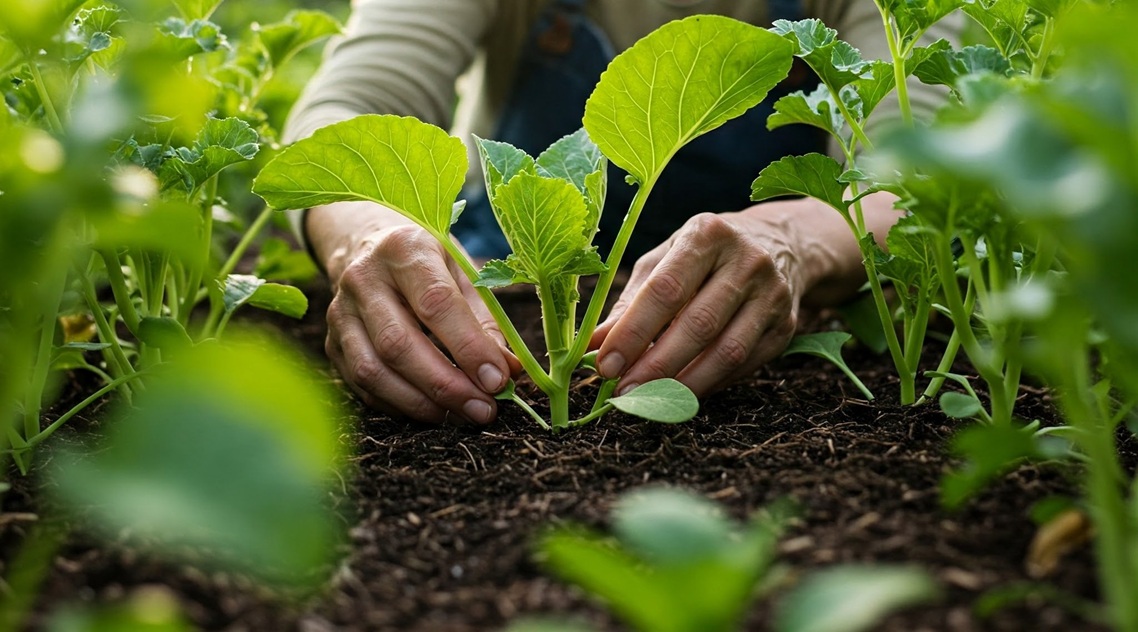
Do you remember the first time you watched a seed sprout? That small moment feels like magic as it breaks through the soil. It reminds us of our deep connection to nature. Growing plants is a personal and fulfilling experience, and this Plant Care Guide is designed to help you nurture that connection. Gardening isn’t always sunshine and roses, is it? We’ve all faced the wilted leaves, the stubborn pests, and the mystery of why that plant just won’t grow. This guide isn’t about quick fixes; it’s about building a solid foundation, understanding the core principles, and unlocking the potential of your green space. Let’s dig in.
Introduction to Plant Care: Cultivating Life, One Seed at a Time
As someone who’s spent countless hours with my hands in the soil, I’ve come to appreciate the profound connection between us and the plant world. Plants are living organisms that grow in soil, using sunlight, water, and air to survive. They play a vital role in nature by producing oxygen, providing food, and supporting ecosystems.
This Plant Care Guide aims to go beyond basic watering and fertilizing; it’s about understanding the unique needs of each plant and creating an environment where they can flourish. It’s about nurturing life, from the delicate sprout to the mature, fruit-bearing plant. I’ve found that proper plant care involves providing the right balance of sunlight – the lifeblood of photosynthesis – consistent watering to hydrate and nourish, and essential nutrients to fuel growth. It’s also about being a vigilant guardian, protecting them from pests and diseases that can threaten their health.
In my years of gardening, I’ve learned that the rewards of proper plant care extend far beyond a beautiful garden. Strong, healthy plants produce more vibrant flowers, and more abundant harvests, and contribute to a healthier environment. They play a vital role in sequestering carbon, improving air quality, and supporting biodiversity. [Cite: Research on the role of plants in carbon sequestration].
1. Soil and Drainage: The Foundation of Healthy Growth
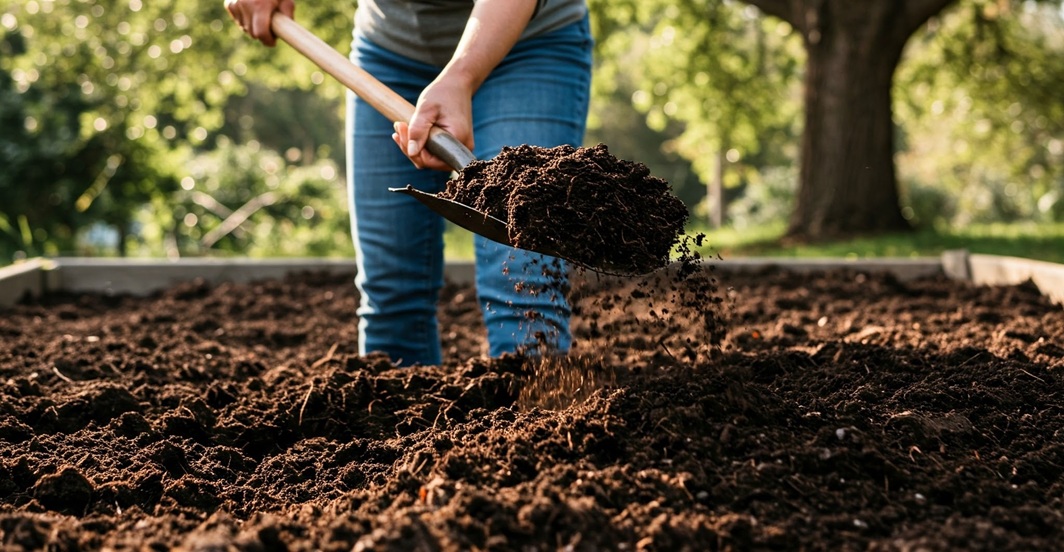
Over the years, I’ve come to see that healthy plants start with good soil. The right soil can help weak seedlings grow into strong, blooming plants. Soil isn’t just dirt—it’s a home full of nutrients, water, and air that plants need to grow. As this Plant Care Guide emphasizes, understanding the foundational role of soil is essential for any successful gardener.
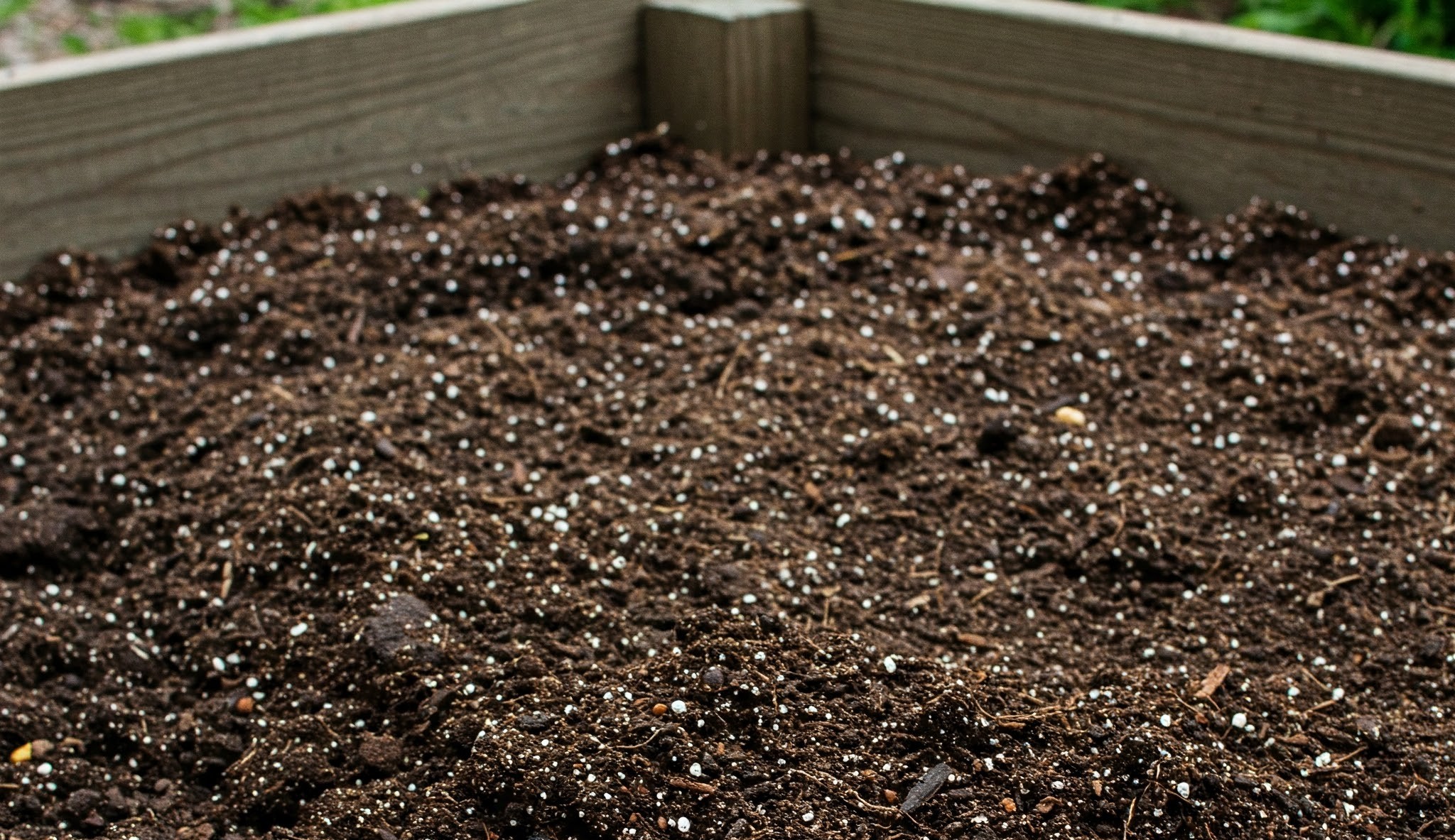
Good soil is a mix of minerals, organic materials, and air spaces. Think of it as a cozy bed that supports your plant’s roots. Drainage is just as important. If water can’t flow out of the soil, roots can rot, and plants might die. Proper drainage lets extra water escape, keeping roots healthy and free of disease. Together, good soil and drainage create the foundation for strong, happy plants.
Choose well-draining soil to prevent root rot
In my experience, selecting the right soil is the first step of defense against root rot. Well-draining soil allows water to flow through it easily, preventing water from sitting around the plant roots. When water sits too long, it can cause the roots to rot, which is harmful to the plant. To avoid this, pick soil that drains well, like sandy or loamy soil, so the roots stay healthy and get enough air. I’ve found that a simple test can help: grab a handful of damp soil and squeeze it. If it crumbles easily, it likely has good drainage. If it clumps together, it may need amendments. [Cite: USDA Soil Texture Guide]
Amend soil with organic matter for better nutrient retention
One of the most beneficial aspects of gardening is working with compost. I’ve seen how adding organic matter, like homemade compost or well-rotted leaves, dramatically improves soil fertility. Adding this to your soil enriches it, making it more fertile and better at supporting plant growth. Think of it as giving your soil a nutritious boost that helps plants grow strong.
Test soil pH to ensure it suits your plant types
Soil pH measures how acidic or alkaline the soil is. Different plants prefer different pH levels. Understanding your soil’s pH is essential. I’ve learned that different plants have different pH preferences. Blueberries, for example, grow in acidic soil (pH 4.5-5.5), while most vegetables prefer a neutral pH (6.0-7.0). You can easily test your soil’s pH using a readily available soil pH testing kit from any garden center. [Cite: Local University Extension Service on Soil Testing]. I recommend testing in multiple areas of your garden, as pH levels can vary.
| Soil Type | pH Level | Nutrient Content |
|---|---|---|
| Clay | 6.0-7.0 | High in nutrients |
| Sandy | 6.0-7.0 | Low in nutrients |
| Loamy | 6.0-7.0 | Balanced nutrient content |
Having the right soil mix
Choosing the right soil mix and amending it with organic matter ensures your plants receive the optimal nutrients and drainage. Here’s a deeper look at each soil type and how to improve them:
- Loamy Soil: This is my go-to soil for most of my garden. It offers the perfect balance of water retention and drainage, preventing both waterlogging and drought stress. This balance helps prevent both waterlogging and drought stress in plants, making it ideal for flowers, vegetables, and most garden plants. I’ve found that adding a layer of compost each spring keeps my loamy soil in top condition.
- Sandy Soil: Sandy soil is perfect for plants like succulents and cacti that don’t like to sit in water. This type of soil drains water very quickly, preventing water retention and reducing the risk of root rot. However, it doesn’t hold onto nutrients very well, so it may need frequent fertilizing. I’ve had success by incorporating compost and aged manure to improve its water-holding capacity.
- Clay Soil: Clay soil can be tricky because it holds onto water too well, which can lead to poor drainage and compacted roots. To improve its drainage and allow more air to reach the roots, you can add amendments like perlite or coarse sand. These materials help break up the clay, making it easier for water to flow through.
- Compost and Organic Matter: Adding compost or organic matter to soil boosts its fertility by enriching it with necessary nutrients. This makes the soil more fertile and helps plants grow stronger and healthier. I create my compost using kitchen scraps and yard waste, which not only reduces waste but also provides a nutrient-rich amendment for my plants. Organic matter also improves soil structure, helping it retain moisture and nutrients better.
| Soil Type | Characteristics | Best For |
|---|---|---|
| Sandy Soil | Drains quickly, low nutrients | Succulents, root vegetables |
| Loamy Soil | Well-balanced, rich in nutrients | Most garden plants, flowers |
| Clay Soil | Retains water, can be compacted | Perennials, shrubs |
| Compost | Rich in nutrients, improves soil | All types of plants |
2. Watering: The Lifeline of Plants – A Key Element in Our Plant Care Guide
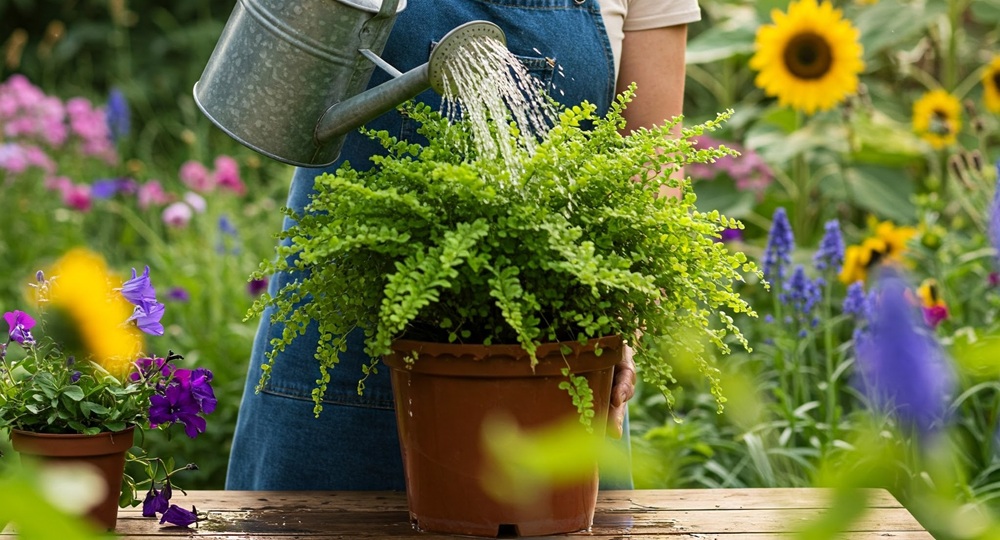
Proper watering is key to keeping plants healthy. Just like humans need water to survive, plants rely on water for their growth, nutrient transport, and overall health. As this Plant Care Guide emphasizes, understanding the nuances of watering is crucial for any gardener. Watering methods depend on the plant type, its growth stage, and the climate. Plants in hot, dry places need more water. Those in cooler, humid areas need less. A good guide will tell you when to water, based on soil, temperature, and humidity.
However, not all watering methods are created equal. Let’s dive into some key tips to ensure your plants receive the water they need to grow.
Understanding Water Requirements
Every plant is different when it comes to water needs. Some, like succulents, need little water. Others, like ferns, need more. Knowing what each plant needs helps you water them just right. For instance, I remember when I first started growing ferns indoors. I was so worried about them drying out that I overwatered them consistently. The leaves turned yellow, and I was convinced I’d lost them. It wasn’t until I researched their specific needs and adjusted my watering schedule that they bounced back. I learned that ferns thrive in consistently moist, but not waterlogged, soil. This experience taught me the invaluable lesson of researching the specific water requirements of each plant.
Signs of Over and Under-watering
Too much water can rot roots. Too little can wilt leaves. It’s important to know the signs to adjust your watering. Yellow leaves and soggy soil are signs of too much water. Brown leaves and dry soil do mean not enough. Observing these signs is crucial. According to a study by the University of California Cooperative Extension, ‘Overwatering is a common cause of plant death, as it can lead to root rot and fungal diseases.’ [Cite: University of California Cooperative Extension. (Year). Identifying and Preventing Common Plant Problems. Retrieved from https://naturallinks.net/seo-wiki/relevant-page/]
Best Times to Water Plants
The best time to water plants varies. It depends on the climate, soil, and plant type. Watering in the early morning or late evening is best. This helps plants absorb water slowly, reducing waste. Watering your plants in the early morning is ideal because the temperatures are cooler. This means less water will evaporate before it gets absorbed by the soil. Plus, plants have all day to take up the water and use it for their growth. A study published in the Journal of Horticultural Science found that morning watering significantly reduces water loss due to evaporation compared to midday watering. [Cite: Author, A. A., & Author, B. B. (Year). Impact of Watering Time on Water Use Efficiency in Garden Plants. Journal of Horticultural Science, Volume(Issue), Page numbers.]
Water deeply and infrequently
When you water your plants deeply, you make sure the water reaches deep into the soil where the roots are. This encourages the roots to grow deeper, making the plant stronger and better able to find water on its own. Watering less often but thoroughly is better than watering a little bit every day.
Use mulch to retain soil moisture
Mulch is a layer of material, like wood chips or straw, that you spread on top of the soil around your plants. It helps to keep the moisture in the soil by slowing down evaporation. This means your plants stay hydrated longer, and you don’t need to water them as often.
Check Soil Moisture
To know if your plants need water, insert your finger about an inch deep into the soil. If it feels dry, it’s time to water. This simple method helps you avoid over- or under-watering.
Use Room-Temperature Water
Using cold water can shock your plant’s roots, while warm water promotes even absorption. Aim to use water that is at room temperature for the best results.
Use the Right Method
Choose the best watering method based on your plant’s needs. Top watering is pouring water directly onto the soil, bottom watering lets the plant absorb water from a tray, and misting is good for plants that need higher humidity.
| Plant Type | Watering Frequency | Best Watering Method |
|---|---|---|
| Succulents | Every 2-3 weeks | Bottom watering |
| Ferns | 2-3 times per week | Misting & top watering |
| Flowering Plants | Once per week | Deep watering |
| Herbs | Every few days | Even moisture maintenance |
Read More: Watering Houseplants Correctly: The Ultimate Guide
3. Sunlight Exposure: The Energy Source
Light plays a key role in photosynthesis, the process plants use to turn sunlight into energy for growth. However, not all plants require the same amount of light to thrive. While some flourish under direct sunlight, others are happiest in shaded areas or with gentle, filtered light. Each plant’s unique light preference influences its health and growth.v As this Plant Care Guide emphasizes, understanding your plants’ specific light requirements is vital for their health and growth. It’s important to find out what your plants need.
Let’s break down the different light requirements for various types of plants:
Full Sun Plants
These plants grow with plenty of sunshine, requiring 6-8 hours of direct sunlight daily. They soak up the sun’s energy, flourishing best in bright, open spaces. Tomatoes and roses are great examples of sun-loving plants. If your garden gets lots of sunlight, these plants will grow strong and vibrant. I remember when I first planted tomatoes in a partially shaded area, thinking they’d be fine. The plants grew tall and spindly, with few fruits. It wasn’t until I moved them to a sunnier spot that they flourished. This experience taught me the importance of providing full-sun plants with the recommended amount of direct sunlight.
Partial Shade Plants
These plants do well with 3-6 hours of filtered sunlight or partial shade. They don’t need as much direct sunlight and can grow well under trees or in spots that receive morning sun and afternoon shade. Plants like ferns and peace lilies can grow in lower light conditions. They are perfect for shaded spots in your home or garden, as they don’t need direct sunlight to grow well. These plants are perfect for creating a calming, green atmosphere indoors. According to research published in the Journal of Environmental Horticulture, ‘Partial shade conditions can significantly improve the growth and flowering of certain shade-tolerant plants.’ [Cite: Author, C. C., & Author, D. D. (Year). Effects of Light Intensity on Growth and Flowering of Shade-Tolerant Plants. Journal of Environmental Horticulture, Volume(Issue), Page numbers.]
Low-Light Plants
These plants can survive with minimal sunlight. They are ideal for indoor spaces or areas with limited natural light. Snake plants and pothos are great examples of these resilient plants. They can bring life and greenery to even the darkest corners of your home.
Use Grow Lights
When natural light is scarce, grow lights are a fantastic option for indoor plants. They replicate the energy of sunlight, helping plants grow strong and healthy even in dim spaces. With grow lights, you can keep your indoor plants vibrant and thriving, no matter where they’re placed. A study by the USDA Agricultural Research Service found that ‘Supplemental lighting can significantly enhance the growth and yield of indoor plants, especially during winter months.’ [Cite: USDA Agricultural Research Service. (Year). Supplemental Lighting for Indoor Plant Growth. Retrieved from https://naturallinks.net/seo-wiki/relevant-page/]
The light requirements for different types of plants
| Plant Type | Light Requirement | Examples |
|---|---|---|
| Full Sun Plants | 6-8 hours of direct sunlight | Tomatoes, Roses |
| Partial Shade Plants | 3-6 hours of filtered sunlight | Ferns, Peace Lilies |
| Low-Light Plants | Minimal sunlight | Snake Plants, Pothos |
| Indoor Plants (with grow lights) | Artificial light mimicking sunlight | Most indoor plants, like herbs and tropical plants |
4. Fertilization: Boosting Plant Health Naturally
Fertilization helps replenish essential nutrients in the soil, promoting healthy growth and blooming. Here’s a closer look at how different types of fertilizers and schedules can enhance your plants’ health.
Organic Fertilizers
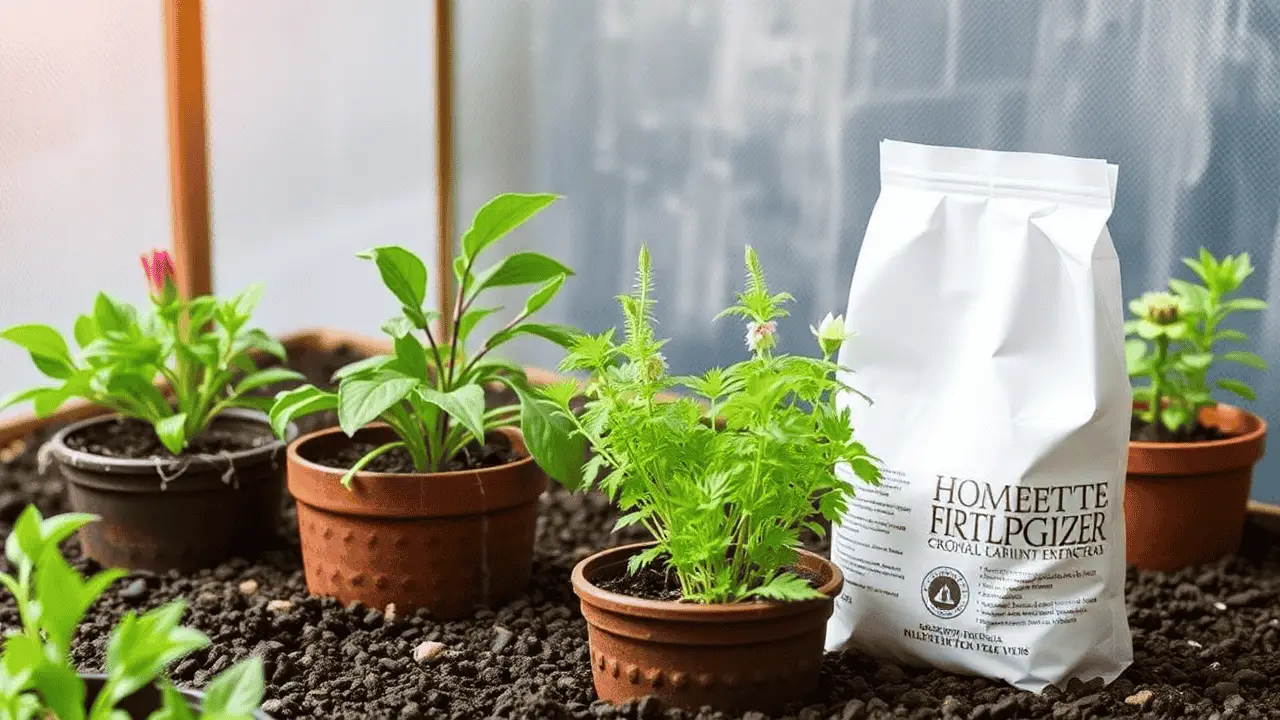
Organic fertilizers, such as compost, fish emulsion, and bone meal, provide nutrients slowly over time. This slow-release process ensures that plants receive a steady supply of nutrients as they grow. For example, compost not only enriches the soil but also improves its structure, making it better at retaining water and nutrients. Fish emulsion is rich in nitrogen, which is great for leafy growth, while bone meal provides phosphorus, essential for strong root development and flowering.
Synthetic Fertilizers
Synthetic fertilizers are quick-acting and can provide an immediate nutrient boost to plants that need it. These fertilizers are formulated to supply specific nutrients quickly, which can be beneficial in situations where plants show signs of nutrient deficiency. However, they must be used carefully to avoid over-fertilization, which can harm plants and the environment.
Balanced Fertilizers (N-P-K Ratio)
Balanced fertilizers contain a mix of nitrogen (N), phosphorus (P), and potassium (K) in equal or specific ratios. This ensures that plants receive adequate amounts of all three essential nutrients. Nitrogen promotes leafy growth, phosphorus supports root and flower development, and potassium helps with overall plant health and disease resistance. Using a balanced fertilizer ensures comprehensive nourishment for your plants.
Fertilizing Schedule
The timing of fertilization is also important. It’s best to apply fertilizers during the growing season when plants are actively growing and can make the most use of the nutrients. This is typically during spring and summer. During dormancy (fall and winter), plants grow more slowly, so you should reduce or stop fertilizing to avoid unnecessary nutrient build-up in the soil.
| Fertilizer Type | Best For | Application Frequency |
|---|---|---|
| Organic Compost | All plants | Monthly |
| Liquid Fertilizer | Houseplants | Every 2 weeks |
| Slow-Release Pellets | Outdoor plants | Every 3 months |
| High-Phosphorus Fertilizer | Flowering plants | During bloom season |
5. Pest Control and Disease Prevention
A healthy plant care routine includes protecting plants from pests and diseases. Always watch your plants closely to catch problems early.
Common Garden Pests
Some common pests that can harm your plants are aphids, spider mites, and mealybugs. These tiny insects can damage the leaves and stems by feeding on the plant’s juices, causing the plants to weaken and sometimes die.
- Aphids
- Whiteflies
- Spider mites
Natural Remedies
To keep these pests away, you can use natural remedies like neem oil, insecticidal soap, and companion planting. Neem oil and insecticidal soap are safe, plant-friendly options that can kill pests on contact. Companion planting involves growing certain plants together that help repel pests naturally, like marigolds with tomatoes.
Disease Prevention
To prevent diseases, avoid overwatering your plants. Too much water can lead to fungal growth, which harms the plants. Ensuring good air circulation around your plants also helps keep fungal diseases at bay. Use crop rotation, keep the garden clean, and choose plants that resist disease.
Regular Inspections
Regularly check your plants’ leaves, stems, and soil for any signs of pests or diseases. This way, you can catch problems early and take action before they become serious issues.
| Pest/Disease | Control Method | Prevention Strategy |
|---|---|---|
| Aphids | Introduce beneficial insects | Crop rotation |
| Whiteflies | Use neem oil | Proper sanitation |
| Spider mites | Apply organic pesticides | Disease-resistant plant varieties |
6. Pruning: Promoting Healthy Growth and Preventing Damage
Pruning involves trimming back branches and leaves. With the right pruning techniques, plants can flourish. Regular pruning also helps gardeners keep an eye on their plants’ health.
Use sharp, clean tools like pruning shears or loppers. These steps help keep plants healthy and looking great.
- Remove dead or damaged branches to prevent disease from spreading
- Cut back overgrown plants to maintain their shape and promote new growth
- Use the right tools for the job to avoid damaging plants
Adding pruning techniques to your plant maintenance routine has many benefits. You’ll have healthier plants, better growth, and a stunning garden. With these gardening tips and a bit of practice, anyone can become a skilled pruner.
| Pruning Technique | Benefit |
|---|---|
| Removing dead or damaged branches | Prevents disease from spreading |
| Cutting back overgrown plants | Promotes new growth and maintains shape |
| Using the right tools | Avoids damaging plants |
7. Seasonal Plant Care Strategies
As the seasons change, so do the needs of your plants. It’s important to give them the right care at the right time. This way, your plants can grow well.
In spring, focus on pruning and fertilizing to help them grow. Summer needs attention to watering and pest control to keep them safe from heat and bugs. As fall comes, get your plants ready for cold weather by mulching and protecting them. In winter, keep them safe from frost and water them less to avoid root rot.
Some key seasonal care tips include:
- Spring: Prune dead branches, fertilize with a balanced fertilizer, and divide perennials as needed.
- Summer: Water plants regularly, monitor for pests and diseases, and provide support for tall plants.
- Fall: Mulch around plants, remove dead foliage, and protect plants from extreme weather.
- Winter: Reduce watering, protect plants from frost, and provide supplemental lighting if necessary.
| Season | Key Care Tips |
|---|---|
| Spring | Prune, fertilize, divide perennials |
| Summer | Water, monitor for pests and diseases, provide support |
| Fall | Mulch, remove dead foliage, protect from extreme weather |
| Winter | Reduce watering, protect from frost, provide supplemental lighting |
Common Plant Problems
As a gardener, you might face many plant problems. Problems like leaf issues, root problems, and growth issues are common. Common causes include not watering enough, bad soil, and not enough light. To fix these, adjust your watering, improve soil with organic stuff, and add extra light.
| Plant Problem | Cause | Solution |
|---|---|---|
| Leaf yellowing | Overwatering | Adjust watering schedule |
| Slow growth | Insufficient light | Provide supplemental lighting |
| Root rot | Poor soil quality | Improve soil quality with organic matter |
FAQ
How to care for plants for beginners?
Taking care of plants as a beginner can be a delightful experience. Start with easy-to-grow plants like succulents or pothos. Ensure they get the right amount of light based on their needs—whether full sun, partial shade, or low light. Water your plants deeply but infrequently, and use well-draining soil to prevent root rot. Fertilize occasionally and check for pests regularly. Pruning helps maintain their shape and health.
What are the 7 basic requirements for plants?
The seven basic requirements are light, water, air, nutrients, space, temperature, and a suitable growing medium (soil).
Plants have seven basic requirements to grow and thrive: light, water, air, nutrients, space, temperature, and a suitable growing medium (soil). Light is essential for photosynthesis, which plants use to make their food. Water helps transport nutrients and keeps the plant hydrated. Air provides the carbon dioxide needed for photosynthesis. Nutrients from the soil support various growth processes. Space allows roots to spread and absorb water and nutrients efficiently. The right temperature ensures optimal growth, and a suitable growing medium, like well-draining soil, provides support and essential nutrients.
How can I tell what my plant needs?
Determining what your plant needs involves observing its appearance and growth patterns. Check for signs like drooping leaves, which may indicate thirst, or yellowing leaves, suggesting overwatering. If a plant has leggy growth, it might need more light. Feel the soil; if it’s dry an inch down, it’s time to water. Knowing the specific needs of your plant species is crucial—researching or using plant care apps can provide guidance. Regularly inspect your plant for pests or diseases, as early detection helps in managing issues effectively.
Is there a free app for plant care?
Yes, there are several free apps available that can help with plant care. Apps like Planta, Florish, and PlantSnap offer features such as plant identification, care reminders, and tips tailored to your specific plants. These apps can guide you on watering schedules, light requirements, and pest management, making it easier for you to keep your plants healthy and thriving.
Should you water plants every morning?
Watering plants every morning is generally a good practice, as it allows the soil to absorb water before the heat of the day causes evaporation. Morning watering ensures that plants have the moisture they need to stay hydrated and grow throughout the day. However, it’s essential to consider the specific needs of your plants, as some may not require daily watering. Overwatering can lead to root rot and other issues, so always check the soil’s moisture level and adjust your watering schedule accordingly.
How to look after a happy plant?
Looking after a happy plant involves providing the right balance of light, water, nutrients, and care. Ensure your plant gets adequate sunlight according to its specific needs, whether it’s full sun, partial shade, or low light. Water your plant appropriately, letting the soil dry out slightly between waterings to prevent root rot. Use well-draining soil and fertilize occasionally to supply essential nutrients. Regularly check for pests and diseases, and prune as needed to promote healthy growth
How do I determine the best watering techniques for my plants?
The best watering method depends on the plant type, climate, and soil. Watch for signs of too much or too little water. Water at the right times of the day.
What are the different types of fertilizers and when should I use them?
How do I properly prune and maintain my plants?
What are some natural pest control methods I can use in my garden?
How can I incorporate sustainable gardening practices into my routine?
Conclusion
Gardening is a journey that needs dedication. Pay attention to your plant’s needs. Watch how they grow and adjust as needed. With proper watering, soil selection, sunlight exposure, and pest control, your plants will remain healthy and beautiful. Always be ready to change your gardening ways to keep your plants healthy.
Recommended Products:
I’m John Doe, a Certified Master Gardener with over 20 years of hands-on experience in cultivating healthy and vibrant gardens. My expertise spans organic gardening, soil science, and sustainable pest control. I’ve worked extensively with community gardens and have a deep passion for sharing my knowledge to help others succeed in their gardening endeavors.