Your Simple Guide to Successful Indoor Gardening
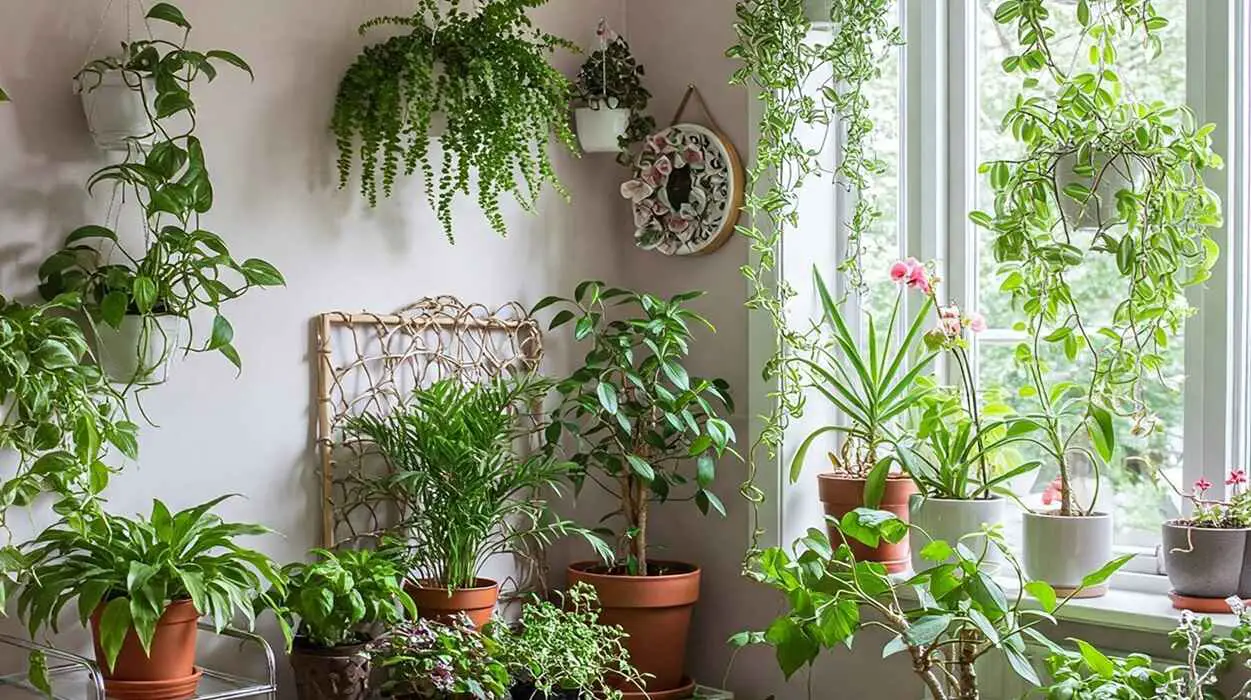
It feels good to have green plants in our homes, right? Lots of people are now trying indoor gardening.
Sometimes we don’t have much space outside. Or maybe the weather isn’t good for growing. Or maybe we just like having plants around all the time! These are some of the reasons people choose indoor gardening.
Growing plants inside is nice. It brings nature and makes our homes feel more alive. This guide will show you the simple steps to start your indoor garden. We’ll help anyone get started!
What is Indoor Gardening?
Indoor gardening is all about growing plants inside, in spaces like homes, greenhouses, or indoor gardens. This type of gardening can involve growing flowers, herbs, vegetables, or houseplants, depending on personal preferences and needs.
It’s often called “houseplant gardening,” “interior gardening,” or simply “planting indoors.” In city apartments, people sometimes refer to it as “urban gardening.” No matter the name, the goal remains the same—to create a relaxing and lively green space indoors.
Benefits of Indoor Gardening
It’s a popular hobby for many people, offering a variety of benefits, including:
Fresh herbs and vegetables at your fingertips
Imagine having fresh herbs like basil, parsley, or mint and homegrown vegetables such as tomatoes or lettuce right at your fingertips! Indoor gardening or hydroponics makes this possible, allowing you to enjoy the unbeatable flavor and aroma of freshly harvested produce. Not only does it add a touch of greenery to your space, but it also gives you the satisfaction of growing your food—convenient, delicious, and rewarding!
Aesthetic appeal
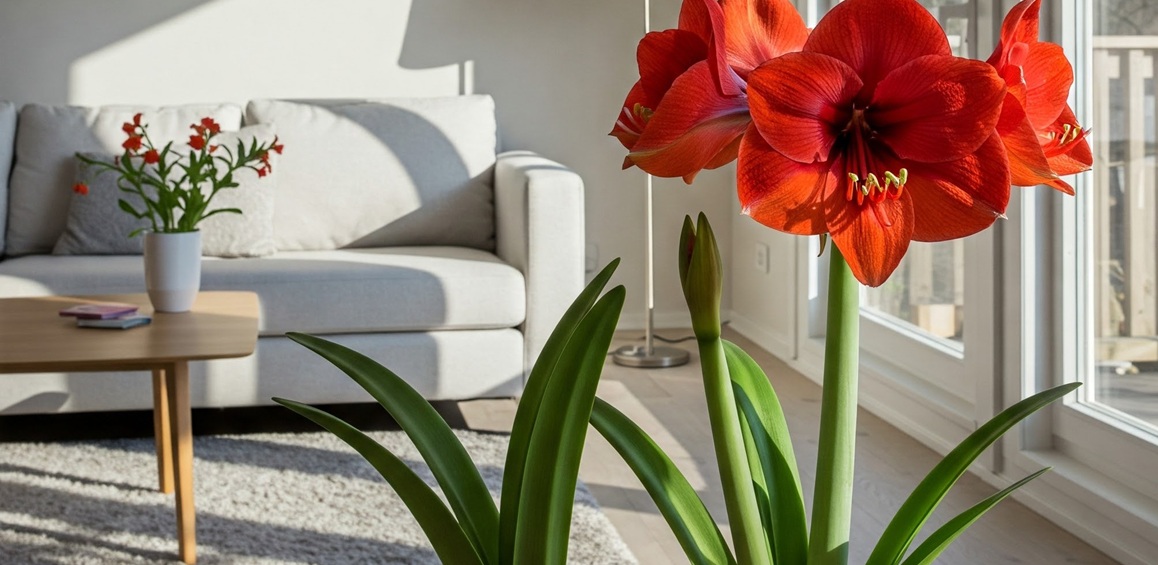
Indoor plants bring undeniable aesthetic appeal to any space. The vibrant greenery and colorful blooms add life and charm, transforming dull corners into refreshing, lively havens. With a variety of pots, arrangements, and plant combinations, you can personalize your indoor garden to reflect your style.
Stress relief
Gardening, even in small containers or indoors, is a wonderful way to relieve stress. The act of nurturing plants helps you focus on the present moment, creating a calming and meditative experience. The sight of greenery and the satisfaction of caring for living things can uplift your mood and reduce anxiety, offering a peaceful escape from the demands of daily life. It’s a simple yet powerful tool for promoting emotional well-being.
Educational opportunity
All types of gardening offer fantastic educational opportunities for all ages. It teaches valuable lessons about plant biology, ecosystems, and sustainable practices while encouraging hands-on learning. Whether you’re experimenting with different growing methods, understanding the importance of nutrients, or observing the life cycle of plants, gardening fosters curiosity and a deeper connection with nature.
Improved air quality
Indoor gardening acts like a natural air purifier for your home. They absorb carbon dioxide and release oxygen, creating a fresher environment. Many plants, like peace lilies or spider plants, can also filter harmful toxins from the air, enhancing their purity. A well-maintained container garden not only adds beauty to your space but also promotes healthier, cleaner air for you to breathe. It’s a natural way to boost your indoor atmosphere!
Year-round gardening opportunities
Indoor gardening offers fantastic year-round opportunities to grow plants regardless of the season. With controlled environments, such as using grow lights or regulating indoor temperatures, you can cultivate a wide range of plants, including herbs, vegetables, and flowers, all year long. This ensures a consistent supply of greenery and fresh produce, bringing nature into your home no matter the time of year!
Easy Ways to Grow Plants Inside: Types of Indoor Gardening
There are several different types of indoor gardening:
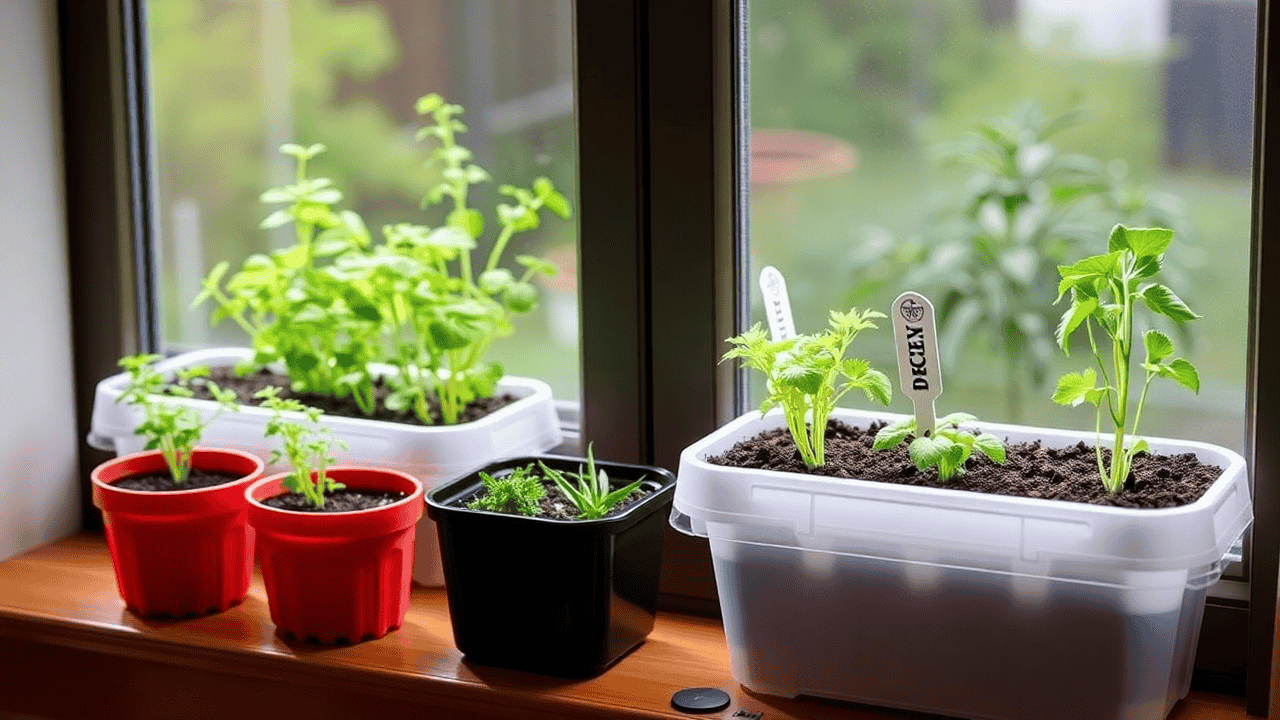
Growing in Pots: Container Gardening
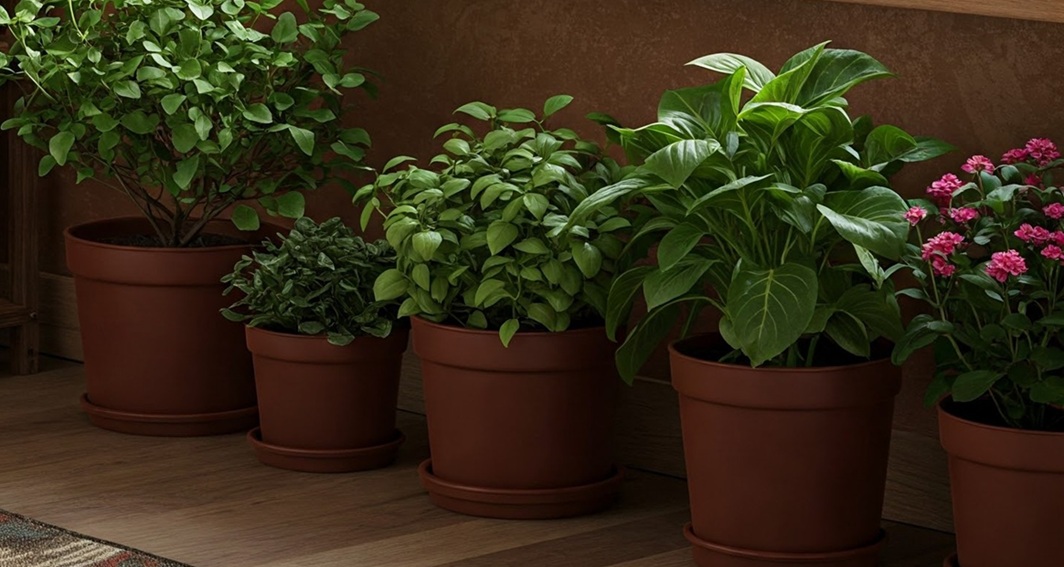
This just means putting your plants in pots or containers. Container gardening is a popular method of growing plants in pots or other containers.
Container gardening offers remarkable flexibility, allowing you to move your plants to optimize sunlight, temperature, or even enhance your space’s design. It is a space-efficient solution, perfect for small areas like balconies or patios, with endless possibilities in pot sizes and shapes. You have full control over the soil quality, water, and nutrients, ensuring your plants get exactly what they need to grow. Additionally, container gardening accommodates a variety of plants, from vegetables and herbs to flowers and even small trees, making it a versatile and valuable choice for any gardener.
Selecting the Right Containers
Material: Containers come in a variety of materials, each offering unique benefits and considerations. Plastic pots are lightweight, affordable, and retain moisture well, but may not be as durable under extreme weather. Ceramic containers are aesthetically pleasing and offer excellent insulation, though they can be heavy and breakable. Terracotta pots are porous, allowing for good aeration, but they dry out quickly and may require frequent watering. Wood containers bring a natural look and are ideal for larger plants, yet they may degrade over time if not properly treated. Choosing the right material depends on your plants’ needs and your gardening environment!
Size: The size of the container will determine the type of plants you can grow. Larger containers provide more space for root development, making them ideal for bigger plants like tomatoes, shrubs, or small trees. On the other hand, smaller containers are great for herbs, succulents, and compact flowers. Choosing the right container size ensures that your plants have ample room to thrive and grow healthily!
Drainage: Containers should always have drainage holes to allow excess water to escape, preventing it from pooling at the bottom. Without proper drainage, roots can become waterlogged, leading to root rot—a common issue that harms or even kills plants. Pair your containers with saucers to catch the drained water, keeping your indoor space clean and your plants growing!
Plants for Containers
Herbs: Herbs like basil, mint, parsley, chives, and cilantro are fantastic choices for container gardening. They grow rapidly, require minimal space, and are easy to maintain, making them ideal for both beginners and seasoned gardeners. With their culinary versatility and aromatic presence, these herbs can elevate your dishes while adding charm and greenery to your indoor or outdoor spaces!
Vegetables: Compact vegetables such as cherry tomatoes, peppers, lettuce, spinach, and radishes are excellent for container gardening. These varieties grow in pots, even in small spaces, and yield fresh, homegrown produce that enhances your meals. Their adaptability and relatively quick growth make them ideal for gardeners of all skill levels, offering both convenience and a rewarding harvest!
Flowers: Flowers like marigolds, petunias, begonias, and geraniums are perfect for container gardening, bringing bursts of color and charm to any space. Their vibrant blooms create a lively and inviting atmosphere, making them ideal for brightening up patios, balconies, or indoor corners. These flowers are easy to grow and care for, ensuring your garden remains stunning and full of life!
Fruits: Fruits like dwarf fruit trees, strawberries, and blueberries are excellent options for container gardening. These plants grow in larger pots, offering the opportunity to grow fresh, delicious produce even in limited spaces. Their adaptability and rewarding harvest make them perfect for patios, balconies, or small gardens, adding both beauty and functionality to your container setup!
Indoor Plants: Indoor plants such as snake plants, pothos, peace lilies, and succulents are excellent options for enhancing your living spaces. These low-maintenance plants grow with minimal care, making them ideal for busy lifestyles or beginners. They not only add greenery and a soothing aesthetic to your home but also improve air quality, creating a healthier and more inviting environment.
Vines and Climbers: Vines and climbers like ivy and morning glory are excellent choices for adding trailing or climbing beauty to your garden. These plants create a stunning visual effect, whether cascading gracefully over the edges of containers or climbing trellises and walls. They are versatile and easy to grow, making them perfect for transforming your space into a lush, vertical haven full of natural charm.
When choosing plants for containers, match the plant size with the container—compact plants for smaller pots and larger ones like tomatoes for bigger containers. Consider light availability; sun-loving plants like rosemary need bright spots, while shade-tolerant plants like pothos thrive in lower light. Tropical plants like orchids prefer humid conditions, while succulents do well in dry environments. Growth habits matter too—ivy adds elegance as it trails, while upright lavender creates a striking centerpiece. Beginners can start with hardy plants like mint or snake plants for easy care.
Planting and Care
To create a flourishing container garden, begin by selecting pots with proper drainage holes and sizes suited to your plants’ growth needs. Use potting mix designed for indoor plants for superior aeration and drainage. Plant your seeds or greenery, ensuring enough room for roots and lightly covering with soil. Water your plants only when the soil feels dry to avoid overwatering, and place containers in sunny spots or use grow lights if natural light is limited. Regularly feed your plants with fertilizers, preferably organic, to supply essential nutrients. Maintain your garden by pruning dead leaves, monitoring for pests, and adjusting care based on seasonal changes. Consistency in watering, feeding, and light placement ensures your plants stay healthy and reward you with lush greenery and vibrant blooms year-round.
Start small with just a few containers to keep things manageable, and expand your garden as you gain confidence. Experiment with different plants and setups to discover what works best for you. Most importantly, enjoy the process—container gardening is a delightful hobby that brings beauty and relaxation into your life.
Growing in Water: Hydroponics
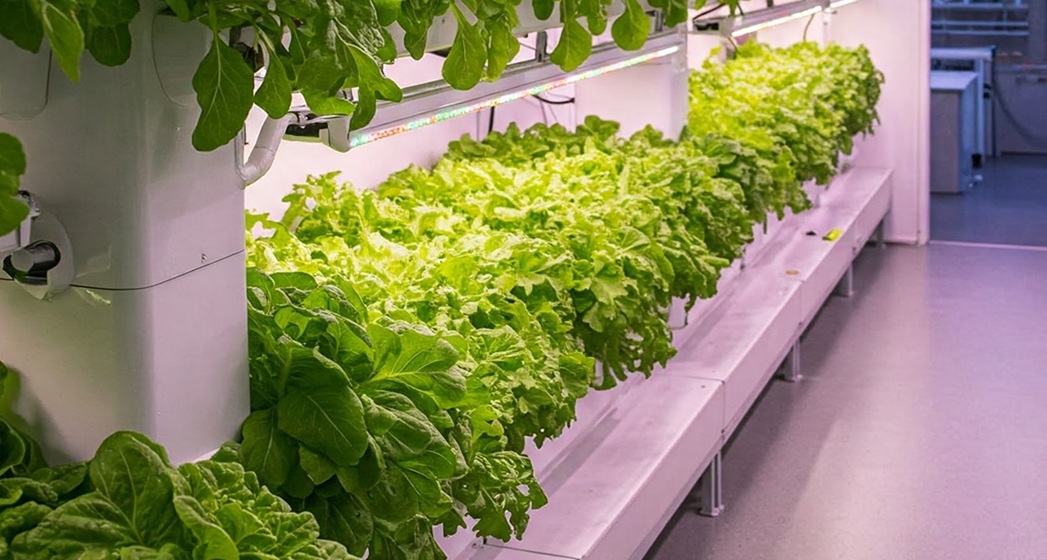
Hydroponics is a method of growing plants without soil. This technique uses nutrient-rich water instead of soil to grow plants. It’s often used for efficient and rapid growth.
Hydroponics offers numerous advantages, making it an efficient and innovative gardening method. It promotes faster plant growth and higher yields compared to traditional soil-based techniques. The space-saving nature of hydroponics allows plants to be grown closer together, making it an excellent option for indoor environments. This method provides greater control over environmental factors such as temperature, humidity, and nutrient levels, ensuring optimal growth conditions for plants. Additionally, hydroponics reduces waste significantly, minimizing water runoff and fertilizer usage, which makes it a more sustainable and eco-friendly choice for modern gardening.
Types of Hydroponic Systems
There are several different types of hydroponic systems, including:
Wick System: The wick system is a beginner-friendly hydroponic setup where plants absorb nutrients through a wick that connects them to a nutrient-rich reservoir. This passive method doesn’t rely on pumps or complex equipment, making it simple and cost-effective. Ideal for small plants or herbs, it provides consistent hydration while requiring minimal maintenance, making it perfect for those new to hydroponics!
Water Culture: The water culture system is a hydroponic method where plants are suspended directly in nutrient-rich water, allowing their roots constant access to nutrients. An air pump is typically used to supply oxygen to the roots, preventing them from becoming waterlogged. This system is particularly effective for fast-growing plants like lettuce, offering rapid growth and efficient use of resources. It’s simple to set up and highly productive, making it a popular choice for hydroponic gardening enthusiasts!
Drip System: The drip system is a versatile hydroponic method where nutrients are delivered directly to the plant roots through a drip line, ensuring precise feeding. This setup is particularly suitable for larger plants, as it allows tailored nutrient delivery to meet individual plant requirements. Its adaptability and efficiency make it a popular choice for hydroponic gardeners aiming to optimize growth and resource use.
Nutrient Film Technique (NFT): The Nutrient Film Technique (NFT) is a hydroponic system where a thin film of nutrient-rich water continuously flows over the plant roots. This method ensures the roots have constant access to both nutrients and oxygen, promoting healthy and rapid growth. NFT is particularly effective for smaller plants like leafy greens and herbs, as it supports efficient resource use and requires minimal growing medium. It’s a popular choice for hydroponic setups due to its simplicity and productivity!
Aeroponics: Aeroponics is an advanced hydroponic technique where plants are grown with their roots suspended in air, allowing for direct exposure. Nutrients are delivered as a fine mist sprayed onto the roots, ensuring optimal absorption. This method is incredibly efficient, using minimal water while providing maximum oxygen to the roots. Its space-saving design makes it ideal for vertical gardening or areas with limited room, and it supports rapid, healthy plant growth.
Ebb and Flow (Flood and Drain): The Ebb and Flow (Flood and Drain) system is a versatile hydroponic method where nutrient-rich water periodically floods the plant tray and then drains back to the reservoir. This process ensures that plant roots receive essential nutrients during the flooding phase and ample oxygen during the draining phase. It’s an efficient system that supports healthy root development and works well for a wide range of plants, from herbs to larger vegetables.
Deep Water Culture (DWC): Deep Water Culture (DWC) is an enhanced version of the water culture hydroponic system, designed to provide superior oxygenation and support robust root growth. Plants are suspended in deeper nutrient-rich reservoirs, allowing their roots to have constant access to water and nutrients. To prevent waterlogging, air pumps supply ample oxygen directly to the roots. This method is especially effective for promoting healthy, rapid plant development, making it a popular choice for hydroponic enthusiasts!
Each system has its unique advantages, making hydroponics adaptable to various spaces and needs!
Getting Started with Hydroponics
Choose Your System: When choosing your hydroponic system, it’s best to start with a simple and beginner-friendly option like the Wick System or Water Culture. The Wick System is passive, requiring no pumps, as plants draw nutrients through a wick from a reservoir. Water Culture involves suspending plant roots in nutrient-rich water, with an air pump providing oxygen for healthy growth. Both systems are easy to set up and maintain, making them excellent choices for those new to hydroponics.
Pick Your Plants: When starting with hydroponics, fast-growing plants like lettuce, basil, and spinach are excellent choices. These plants adapt well to hydroponic systems, growing quickly and efficiently while requiring minimal effort. Their manageable size and nutrient needs make them ideal for beginners, providing a rewarding experience and a steady supply of fresh greens. You’ll love how easy it is to cultivate them!
Prepare Nutrient Solution: To prepare a nutrient solution for your hydroponic system, you can either purchase a pre-mixed solution or create your own at home. Pre-mixed solutions are convenient and formulated to provide all the essential nutrients plants need. If you prefer to DIY, you’ll need water-soluble fertilizers that include macronutrients like nitrogen, phosphorus, and potassium, as well as micronutrients like calcium and magnesium. Ensure the solution is well-mixed and adjusted to the appropriate pH level, typically between 5.5 and 6.5, for optimal nutrient absorption and healthy plant growth.
Set Up Lighting: Proper lighting is essential for healthy plant growth, especially in hydroponic systems. If natural light is insufficient, setting up grow lights is an excellent solution. These lights mimic sunlight and provide the energy plants need for photosynthesis. Position the grow lights at the appropriate height and duration based on your plants’ light requirements—some may need full-spectrum light for 12-16 hours a day. This ensures that your plants grow strong, vibrant, and productive, even in low-light environments.
Monitor and Adjust: Monitoring and adjusting your hydroponic system is crucial for healthy plant growth. Regularly check the water level to ensure roots have consistent access to nutrients. Keep the pH within the ideal range of 5.5 to 6.5 to maximize nutrient absorption. Additionally, assess nutrient concentration and make small adjustments as needed to maintain balance. These proactive steps help create an optimal environment, ensuring your plants thrive and grow strong.
Stay Clean: Maintaining cleanliness in your hydroponic system is essential for preventing issues like algae or bacterial growth that can harm your plants. Regularly clean all components, including reservoirs, tubes, and trays, to remove any buildup or residue. Ensuring proper sanitation will keep your system running efficiently and promote healthy, thriving plants. A clean system is the foundation of a successful hydroponic garden!
Start your hydroponic journey with resilient plants like lettuce, tomatoes, and herbs, which are easy to grow and beginner-friendly. Keep the nutrient solution’s pH between 5.5 and 6.5 to create the optimal environment for growth. Ensure your plants get sufficient light, using grow lights if natural sunlight is limited. Regularly check for nutrient deficiencies and adjust the solution as needed to keep your plants thriving.
Growing with Fish: Aquaponics Indoor Gardening
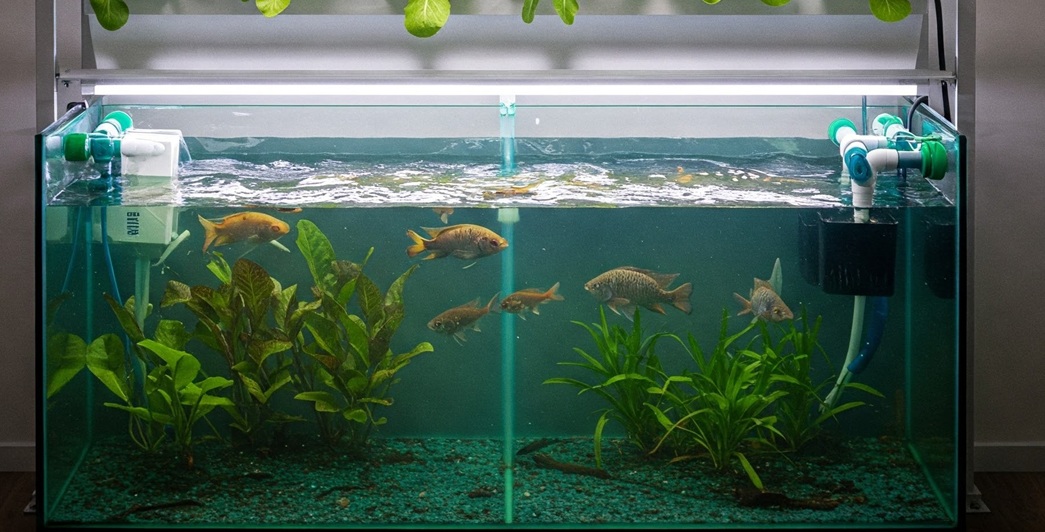
Aquaponics is a sustainable farming system that combines aquaculture (fish farming) with hydroponics (growing plants in nutrient-rich water).
This system combines aquaculture (fish farming) with hydroponics, creating a symbiotic relationship between the plants and fish.
In an aquaponics system, the fish waste provides nutrients for the plants, and the plants help to filter the water for the fish. This creates a symbiotic relationship that reduces the need for external inputs like fertilizers and water.
Aquaponics indoor gardening offers remarkable benefits, making it a sustainable and engaging method for growing plants. These systems are highly efficient, minimizing waste and reducing reliance on external resources, which contributes to environmental sustainability. They also allow for year-round cultivation of fresh fruits and vegetables, ensuring a constant supply of nutritious produce. Additionally, aquaponics serves as an excellent educational tool, providing opportunities to teach children about science, biology, and the principles of sustainability.
Setting Up an Indoor Aquaponics System:
Aquarium: Select a suitable aquarium or tank that provides ample space for the fish to swim comfortably and thrive. The size of the tank should match the type and number of fish you intend to keep, ensuring they have enough room to live healthily. Choose materials that are durable and easy to maintain, and ensure the tank is equipped with proper filtration and aeration systems to keep the water clean and oxygen-rich. A well-chosen aquarium is the foundation of a successful aquaponics setup!
Grow beds: Choose grow beds that complement the size and design of your aquarium for a seamless aquaponics setup. These beds can be crafted from durable materials like plastic, wood, or metal, as long as they are water-resistant and non-toxic to both plants and fish. Ensure they allow for efficient drainage and aeration to promote healthy plant growth. Properly selected grow beds will integrate well with your system, fostering a thriving environment for plants and fish alike.
Media: To prepare the grow beds in your aquaponics system, fill them with a suitable growing medium like gravel, expanded clay pebbles, or lava rock. These materials support plant roots and promote proper aeration and drainage. Additionally, they create a surface for beneficial bacteria to colonize, essential for converting fish waste into plant nutrients. A well-chosen medium ensures a healthy, balanced system for thriving growth.
Plants: For your aquaponics system, select plants that thrive in water-based setups, such as lettuce, spinach, basil, mint, and other herbs. These plants grow quickly and efficiently in the nutrient-rich environment provided by aquaponics. Their adaptability makes them ideal choices, ensuring a successful harvest while maintaining a balanced ecosystem for your fish and plants.
Fish: For your aquaponics system, choose fish species that are compatible with your plants and the aquarium setup. Tilapia, goldfish, and koi are popular choices due to their adaptability and resilience. Tilapia are ideal for producing edible fish alongside your plants, while goldfish and koi are ornamental and excellent for maintaining a balanced ecosystem. Ensure the species you select thrive in the temperature and water conditions of your system for the best results.
Maintaining an Aquaponics System:
Water quality: Maintaining water quality is vital for the health of both fish and plants in your aquaponics system. Regularly check parameters such as pH levels, ammonia, nitrates, and temperature to ensure they remain within optimal ranges for the species you’re cultivating. Balanced water conditions promote fish well-being and nutrient-rich output for the plants, ensuring a harmonious and thriving ecosystem.
Feeding: Proper feeding is essential in an aquaponics system to ensure both fish health and plant growth. Provide the fish with a balanced and high-quality diet suitable for their species. The waste produced by the fish as they consume their food serves as a vital nutrient source for the plants. By maintaining a consistent feeding schedule and avoiding overfeeding, you promote a healthy, thriving ecosystem that benefits both your fish and plants.
Pruning: Regular pruning is essential in aquaponics to ensure plants remain healthy and productive. Removing dead, damaged, or overcrowded foliage helps improve air circulation and light exposure, boosting overall growth. Pruning also redirects energy towards producing fruits, vegetables, or new shoots, maintaining a balanced and thriving system for both plants and fish.
Cleaning: Regular cleaning of the aquarium and grow beds is crucial to maintaining a healthy aquaponics system. Removing algae, debris, and any buildup helps prevent contamination and ensures the water remains clear and nutrient-rich. Keeping the system clean promotes a healthy environment for both fish and plants, supporting their overall growth and productivity. A little consistent maintenance goes a long way in sustaining your aquaponics setup!
Starting small with aquaponics is a great way to familiarize yourself with the process and learn the intricacies of maintaining this unique system. Begin by setting up a simple, manageable system to build confidence and gain practical experience. Take the time to research the specific needs of the fish and plants you plan to include, as each species has its requirements for optimal growth. Be patient, as aquaponics systems take time to establish and stabilize while the natural cycle of nutrients develops.
Tiny Gardens in Glass: Terrariums
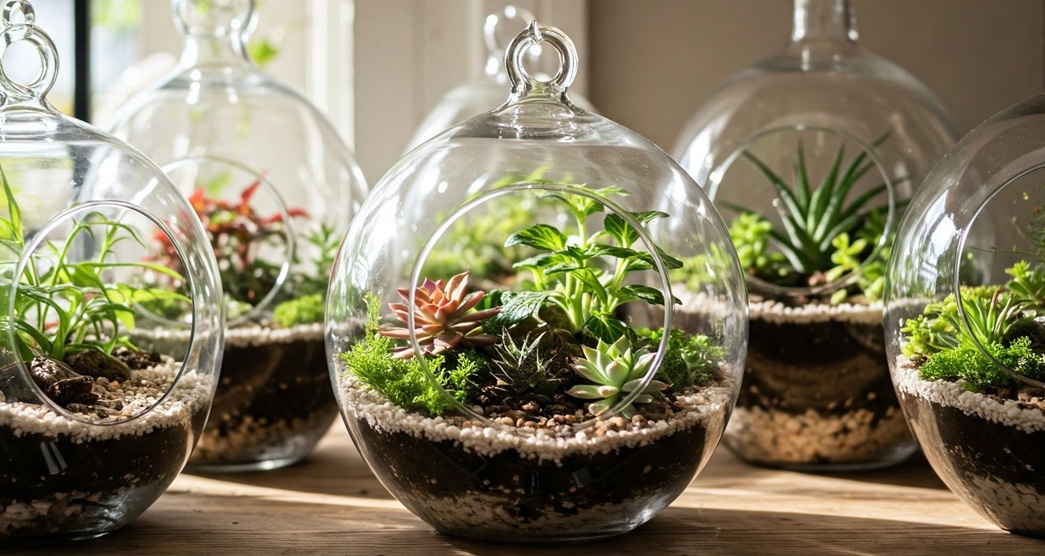
They’re like little worlds for plants inside closed glass containers. These are called terrariums. Terrariums are a popular way to create a miniature ecosystem indoors, requiring minimal maintenance, and are perfect for smaller spaces.
Terrariums offer a range of benefits, making them an appealing choice for plant enthusiasts and home decorators alike. They provide a controlled environment that promotes healthy plant growth, especially for moisture-loving species. Their compact size makes them perfect for small spaces, adding a touch of greenery to any room without requiring much maintenance. Terrariums also serve as natural humidifiers, improving indoor air quality while offering aesthetic appeal. Additionally, they can be an educational tool, showcasing the water cycle and plant growth in action. With their low-maintenance nature and ability to foster creativity in design, terrariums bring both practicality and beauty to indoor gardening.
Types of Terrariums
Open terrariums: Open terrariums are designed without a lid, which allows for improved air circulation and easier access to care for plants. This setup is ideal for plants that thrive in drier conditions, such as succulents and cacti, as it prevents excessive moisture buildup. The open design also makes it simple to prune or rearrange plants as needed, offering flexibility and convenience. With their natural elegance and practicality, open terrariums are a fantastic way to showcase low-maintenance greenery in your space.
Closed terrariums: Closed terrariums are sealed containers that create a self-sustaining and self-regulating environment, making them incredibly low-maintenance. The sealed design promotes moisture recycling, as water evaporates, condenses on the walls, and then drips back into the soil, eliminating the need for frequent watering. This setup is ideal for plants that thrive in humid conditions, such as ferns and mosses. Closed terrariums are not only practical but also serve as beautiful miniature ecosystems, offering a glimpse into nature’s balance and cycle of life.
Choosing Plants for Terrariums:
When choosing plants for terrariums, it’s important to consider the type of terrarium—open or closed—and the specific conditions it provides. For open terrariums, opt for plants that thrive in drier environments, such as succulents, air plants, or cacti. Closed terrariums are ideal for moisture-loving species like ferns, mosses, and fittonias, as they flourish in the humid, self-contained environment. Additionally, select plants that remain small and grow slowly to ensure they fit well within the terrarium space. Combining textures, colors, and heights can create a visually stunning miniature ecosystem that’s both functional and aesthetically pleasing.
Creating a Terrarium
Choose a container: When selecting a container for your terrarium, glass options like jars, bowls, or even glass domes are popular choices due to their clarity and versatility. Transparent containers allow light to pass through, making them ideal for creating and displaying your miniature ecosystem. The container’s size and shape should accommodate the plants you plan to grow, providing enough space for roots while enhancing the visual appeal of your terrarium. A well-chosen glass container sets the stage for a captivating and thriving terrarium!
Add a drainage layer: To create a proper drainage system for your terrarium, start by adding a layer of gravel or small rocks at the bottom of your chosen container. This layer prevents water from pooling around the plant roots, which can cause rot or other issues. The gravel also allows excess water to flow away from the soil, maintaining a healthy balance of moisture in your terrarium. It’s a simple yet essential step for ensuring the longevity and vitality of your plants.
Add a layer of activated charcoal: Adding a layer of activated charcoal is an important step in creating a healthy terrarium environment. This layer, placed on top of the drainage material, helps to absorb impurities and odors while maintaining water quality within the container. It prevents the buildup of harmful bacteria or toxins, ensuring a cleaner and more balanced ecosystem for your plants to thrive in. This small addition makes a big difference in keeping your terrarium fresh and healthy!
Add a layer of potting mix: Add a layer of well-draining potting mix specifically formulated for terrariums on top of the activated charcoal. This mix should support your chosen plants and maintain the right moisture level without becoming waterlogged. Ensure the layer is deep enough to accommodate the roots of your plants, providing a stable and nutrient-rich base for their growth. A tailored potting mix is essential for fostering a healthy and vibrant terrarium ecosystem.
Plant your plants: Carefully plant your chosen greenery in the terrarium, positioning each plant to accommodate its growth needs and create a balanced design. Gently dig small holes in the potting mix and place the plants’ roots securely in the soil, ensuring they are well-anchored. Take care not to overcrowd the space, allowing each plant room to thrive. Thoughtful planting sets the stage for a healthy, visually appealing terrarium.
Add decorations: To personalize and beautify your terrarium, consider adding decorative elements like colorful rocks, soft moss, or small figurines that complement the overall aesthetic. These accents not only enhance the visual appeal but also allow you to express your creativity, transforming your terrarium into a unique miniature landscape. Whether you prefer a natural look or a whimsical theme, these touches bring charm and personality to your creation.
Close the terrarium: If you’re creating a closed terrarium, gently place the lid or cover on the container to seal it. This helps maintain a self-sustaining environment by recycling moisture and humidity, creating ideal conditions for plants that thrive in a humid atmosphere. Once sealed, observe the terrarium over time to ensure it remains balanced, adjusting as needed. A closed terrarium showcases the beauty of a miniature, self-contained ecosystem while requiring minimal upkeep.
Proper care is essential to ensure your terrarium remains healthy and vibrant. For open terrariums, water sparingly, allowing the soil to dry out slightly between waterings, while closed terrariums usually require minimal watering due to their self-recycling moisture system. Place your terrarium in a spot that receives indirect light, as direct sunlight can overheat the plants and disrupt their growth. If you have a closed terrarium, occasionally open the lid to allow for air circulation and prevent mold buildup. Additionally, prune your plants as needed to maintain their shape and size, keeping your terrarium looking neat and clean.
Growing in a Controlled Space: Greenhouse Indoor Gardening
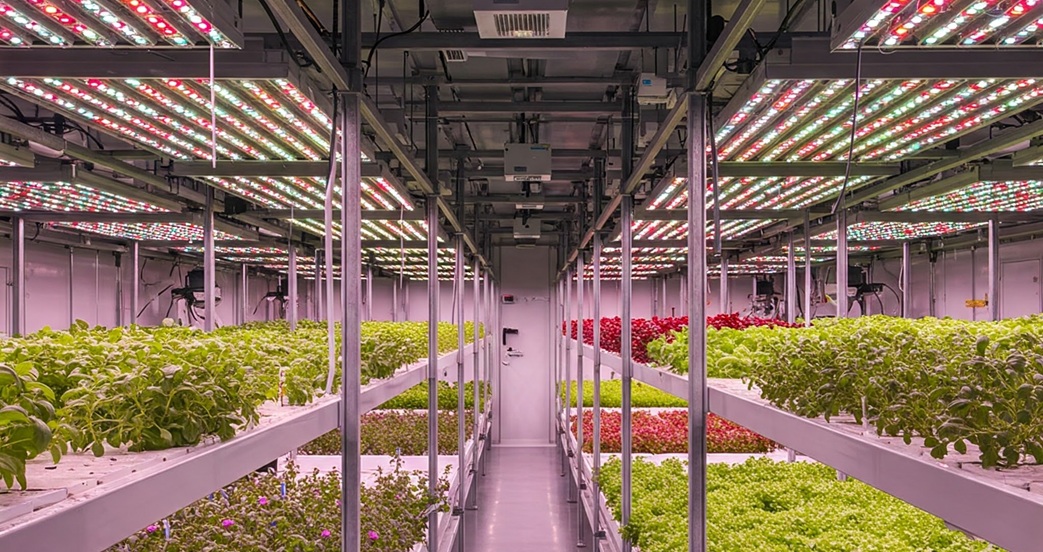
Greenhouse indoor gardening provides a controlled environment for cultivating plants year-round, regardless of outdoor weather conditions. By creating a protected space with adjustable temperature, humidity, and light levels, you can grow a wide variety of plants, from tropical fruits to delicate flowers.
Greenhouse indoor gardening offers numerous advantages, making it a versatile and efficient way to cultivate plants. One of its key benefits is year-round cultivation, allowing you to grow a wide variety of plants regardless of seasonal changes or outdoor weather conditions. Greenhouses provide temperature control, ensuring optimal conditions for plant growth even during extreme heat or cold. They also allow for humidity adjustments, catering to the specific needs of different plant species. With light control, you can supplement natural light with artificial lighting or create tailored light conditions to promote healthy growth. Additionally, the controlled environment of a greenhouse helps prevent pests and diseases, safeguarding your plants and reducing the need for chemical interventions. Together, these benefits create a thriving and manageable gardening experience.
Types of Greenhouses
Attached greenhouse: An attached greenhouse is a structure that connects directly to a building, such as a house or shed, offering several advantages. Its proximity provides additional insulation, as the shared wall helps regulate temperatures, reducing energy costs and maintaining a stable environment for plants. The attached design also offers extra protection from harsh weather, making it more durable and reliable. Additionally, it provides convenient access to your plants, encouraging regular care and maintenance. An attached greenhouse combines practicality and efficiency, making it an excellent option for indoor gardening enthusiasts.
Freestanding greenhouse: A freestanding greenhouse is an independent structure that provides flexibility in placement, allowing you to choose the best spot in your yard for optimal sunlight and accessibility. These greenhouses come in a variety of sizes and designs, making them suitable for both small-scale and larger gardening projects. Their standalone nature ensures ample space for plants and equipment without being limited by adjoining buildings. This versatility makes freestanding greenhouses a popular choice for gardeners seeking an adaptable and productive growing environment.
Portable greenhouse: Portable greenhouses are compact and lightweight structures, perfect for growing a small collection of plants or starting seedlings. Their portability allows you to easily reposition them to optimize sunlight exposure or protect plants during harsh weather. These greenhouses are an excellent choice for gardeners with limited space or those seeking a flexible, low-maintenance solution. Their affordability and practicality make them a popular option for both beginners and seasoned plant enthusiasts.
Greenhouse Design Considerations
When designing a greenhouse, there are several key considerations to keep in mind to ensure its effectiveness and functionality:
Location: When selecting a location for your greenhouse, prioritize a site with maximum sunlight exposure, ideally south-facing, to ensure your plants receive ample light throughout the day. Additionally, protect the greenhouse from strong winds by placing it near a natural barrier, such as trees or a wall, or consider installing windbreaks. This careful positioning will help create a stable, sunlit environment where your plants can thrive.
Size: The size of your greenhouse plays a crucial role in its functionality and efficiency. Consider your gardening goals—whether you plan to grow a few plants or cultivate a larger variety—and match the size to the available space in your yard or indoor setup. It’s always wise to plan for future expansion, as your gardening needs may evolve over time. Choosing the right size ensures that your plants have ample room to grow while allowing you to manage the greenhouse comfortably.
Materials: Choosing the right materials for your greenhouse is essential for its durability and energy efficiency. For the frame, consider options like aluminum for its lightweight and rust-resistant properties, wood for a natural and aesthetically pleasing look, or PVC for an affordable and flexible solution. When it comes to the covering, glass provides excellent clarity and longevity, polycarbonate offers strong insulation and impact resistance, and polyethylene is a cost-effective and easy-to-install choice. Selecting quality materials tailored to your specific needs ensures a robust and efficient greenhouse structure that supports optimal plant growth.
Ventilation: Proper ventilation is key to maintaining a balanced environment within your greenhouse. Installing vents—such as roof vents, side vents, or louvered panels—allows for natural air circulation, helping to regulate temperature and humidity. For additional control, consider using fans to ensure even air distribution and to prevent stagnant, humid areas that could encourage mold or pests. A well-ventilated greenhouse creates a healthy atmosphere, supporting robust and thriving plant growth.
Heating and Cooling: Maintaining optimal temperatures in your greenhouse is essential for healthy plant growth. In colder months, incorporate heaters, such as electric or gas-powered models, to keep the interior warm and protect plants from frost. During warmer conditions, utilize shading materials like shade cloths or reflective panels to block excess sunlight and prevent overheating. Cooling systems, including exhaust fans or evaporative coolers, can further regulate the temperature. By planning effective heating and cooling methods, you can ensure a stable and productive environment for your plants year-round.
Watering System: Incorporating an efficient watering system is vital to maintaining consistent moisture levels in your greenhouse. Drip irrigation systems are an excellent choice, as they deliver water directly to the plant roots, minimizing waste and ensuring precise hydration. Alternatively, sprinklers can cover a larger area, making them suitable for greenhouses with diverse plant layouts. Automated irrigation systems can further simplify the process, allowing you to set schedules for watering. By choosing the right system, you can ensure your plants receive the care they need without the risk of overwatering or drying out.
Flooring: Choosing the right flooring for your greenhouse is crucial for creating a clean and efficient workspace. Materials like gravel, pavers, or concrete are excellent options, as they promote proper drainage and prevent water from pooling. Gravel offers a natural and cost-effective solution, while pavers provide a stable and decorative surface. Concrete is durable and easy to clean, making it ideal for larger or more permanent setups. Selecting the appropriate flooring ensures a safe, functional, and well-maintained environment for your greenhouse activities.
Accessibility: Ensuring accessibility in your greenhouse is essential for an efficient and enjoyable gardening experience. Arrange tools, plants, and water sources within easy reach to minimize effort and time spent on daily tasks. Consider adding pathways that are wide enough for comfortable movement, especially if you use equipment like wheelbarrows or carts. These pathways can be paved or gravel-lined to provide stability and cleanliness. Prioritizing accessibility not only enhances functionality but also makes your greenhouse a pleasure to work in.
Plant Layout: When planning the plant layout in your greenhouse, aim to maximize both space and light distribution for optimal plant growth. Use benches to elevate plants and create multi-level arrangements, ensuring better airflow and light exposure. Shelves can help you efficiently organize smaller plants or seedlings, while hanging pots are a great way to utilize vertical space for trailing or lightweight plants. Arrange plants based on their light and water needs, placing sun-loving species closer to brighter spots and shade-tolerant ones in lower-light areas. A well-thought-out layout not only improves functionality but also creates an aesthetically pleasing and productive environment.
Growing Plants in a Greenhouse
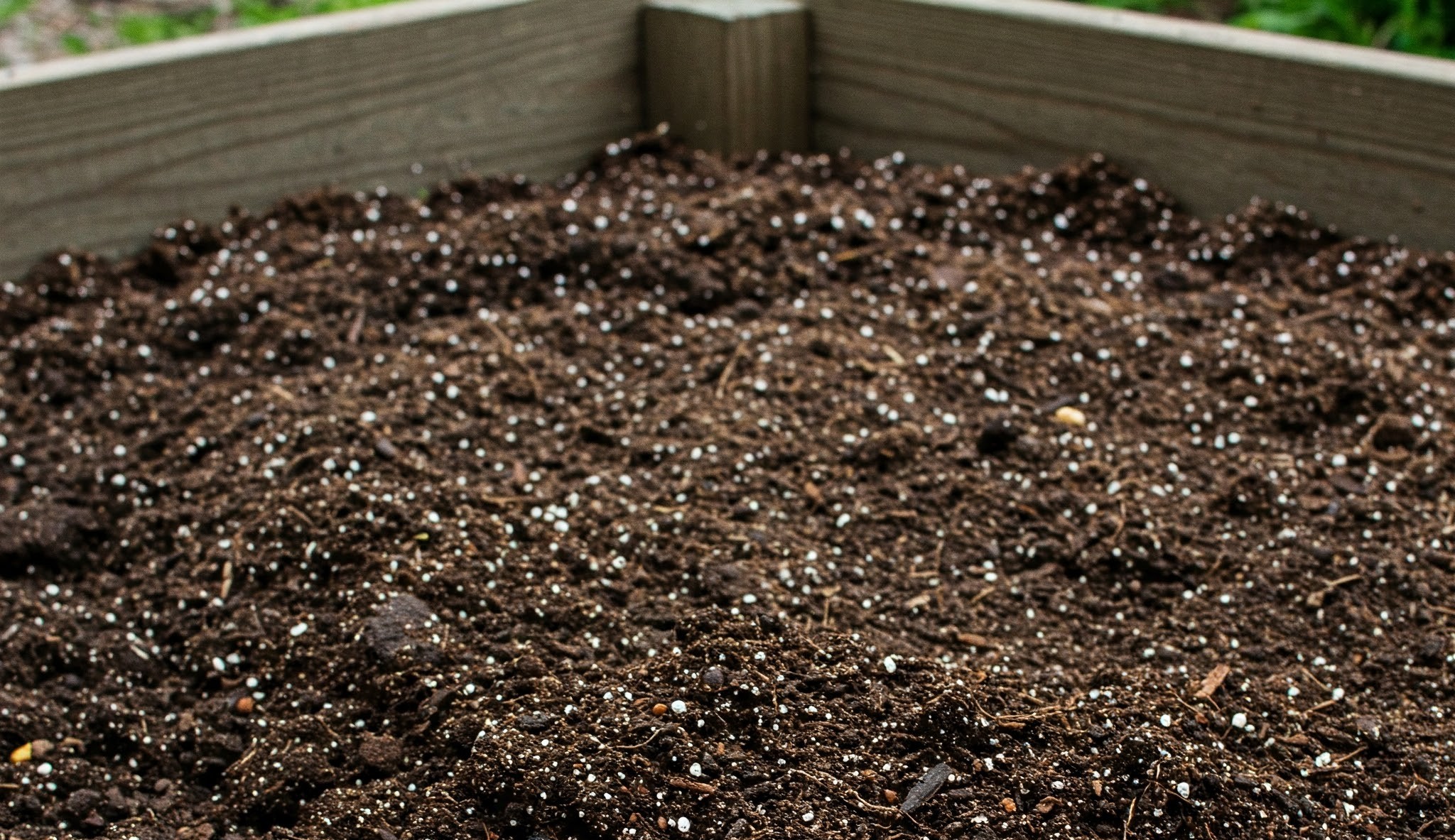
Soil preparation: For greenhouse gardening, it’s essential to start with a high-quality potting mix tailored to the needs of your plants. Look for a mix designed for greenhouse use—these blends are typically well-draining while retaining enough moisture to support healthy root growth. They’re also enriched with the nutrients that plants require to thrive in a controlled environment. Avoid using regular garden soil, as it may compact in containers and could introduce pests or diseases into your greenhouse. Proper soil preparation lays the foundation for vigorous and productive plant growth!
Watering: In greenhouse gardening, it’s important to monitor soil moisture consistently to ensure your plants receive just the right amount of water. Check the soil regularly by feeling its texture or using a moisture meter, and water only when needed—avoiding overwatering, which can lead to root rot, or underwatering, which can cause stress to your plants. Tailor the watering schedule to the specific needs of your plant species, and consider using an efficient irrigation system to maintain consistent moisture levels with minimal effort. Proper watering helps create a thriving and resilient greenhouse ecosystem!
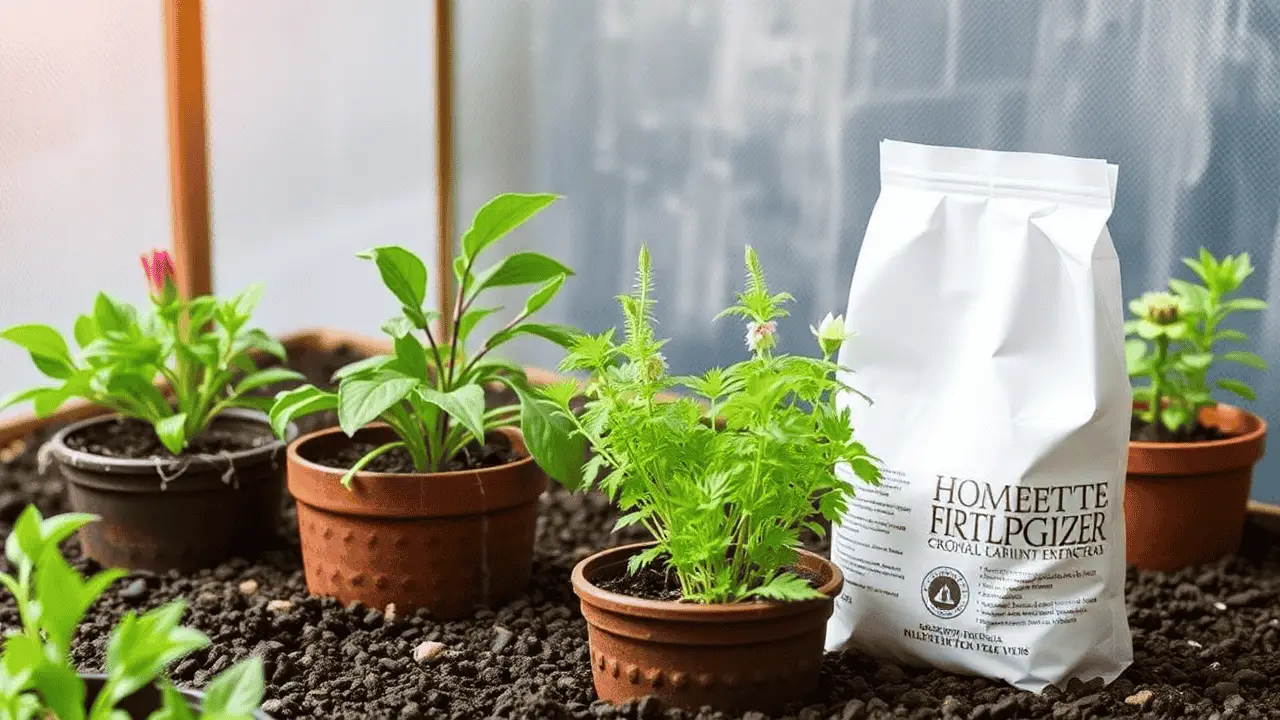
Fertilizing: Fertilizing is an essential part of greenhouse gardening to ensure your plants receive the nutrients they need to thrive. Choose a balanced fertilizer that provides a mix of nitrogen, phosphorus, and potassium, along with trace minerals. Apply it according to the specific needs of your plants and the recommended schedule for the type of fertilizer you’re using. Liquid fertilizers can be particularly effective for greenhouse environments, as they are easy to apply and quickly absorbed by plants. Regular feeding helps support vigorous growth, flowering, and overall plant health in your greenhouse!
Pest and disease control: Pest and disease control is vital for maintaining a healthy greenhouse. Regularly inspect your plants for signs of trouble, such as discoloration, wilting, unusual spots, or pest activity like webs or holes in leaves. Early detection is key—act promptly by removing affected plant parts or using eco-friendly pest control methods, such as introducing beneficial insects, applying neem oil, or using organic sprays. Maintaining proper ventilation, cleaning tools, and removing debris can also help prevent outbreaks. With vigilance and timely care, your greenhouse can remain a thriving, pest-free environment.
Start small with a modest greenhouse and gradually expand as you gain experience. Research the specific needs of your plants, such as temperature, humidity, and light levels, to create the ideal environment. Regularly monitor conditions inside the greenhouse and take your time to enjoy the process, appreciating the growth and charm of your garden.
FAQ
- Is indoor gardening hard for beginners?
- Not at all! Starting with simple plants and following easy steps can make it an enjoyable and successful experience.
- What kind of light do my indoor plants need?
- Most plants require light to grow. Some prefer bright spots near windows, while others thrive in indirect light. Learning each plant’s preference is key.
- How often should I water my indoor plants?
- It varies by plant! Check the soil by touching it—if it feels dry, it’s time to water. Avoid overwatering as it can harm the roots.
- Do I need special soil for indoor plants?
- Yes, use potting mix instead of regular garden soil, as it’s designed to provide the right drainage and nutrients for indoor plants.
- Do indoor plants improve indoor air quality?
- Yes, they can slightly improve air quality by filtering toxins and adding freshness to your space.
- Can I grow vegetables indoors?
- Absolutely! Herbs, lettuce, and even tomatoes can grow well indoors with proper light and care.
- What if my indoor plants get pests?
- Regularly inspect your plants. If pests appear, try gently wiping them off or using plant-safe sprays to address the issue.
- Do I need to fertilize my indoor plants?
- Yes, occasionally! Feeding your plants with a simple fertilizer can help them stay healthy and grow better.
- What are good plants for beginners to grow indoors?
- Easy options include snake plants, pothos, spider plants, and herbs like basil or mint.
- Can I grow plants indoors in a small space?
- Yes, you can! Small pots, hanging baskets, and vertical planters are great for maximizing space.
- How can I water my plants when I’m away on vacation?
- Self-watering pots, asking a friend, or placing plants in a cooler spot can help them survive while you’re gone.
- Should I keep my plants in the same pot forever?
- No, most plants outgrow their pots. Repot them into a larger container every one to two years to keep their roots healthy.
Wrapping Up: Bring Your Home to Life with Indoor Plants!
See how easy and fun indoor gardening can be? It’s a simple way to bring a little bit of the outside world right into your own home.
So, why not give it a try? Start with just one small plant and watch it grow. You might be surprised at how much joy it brings!
Remember all the good things about having plants inside – fresh air, a nicer looking space, and even a little bit of calm. Start your indoor garden today and enjoy the green!
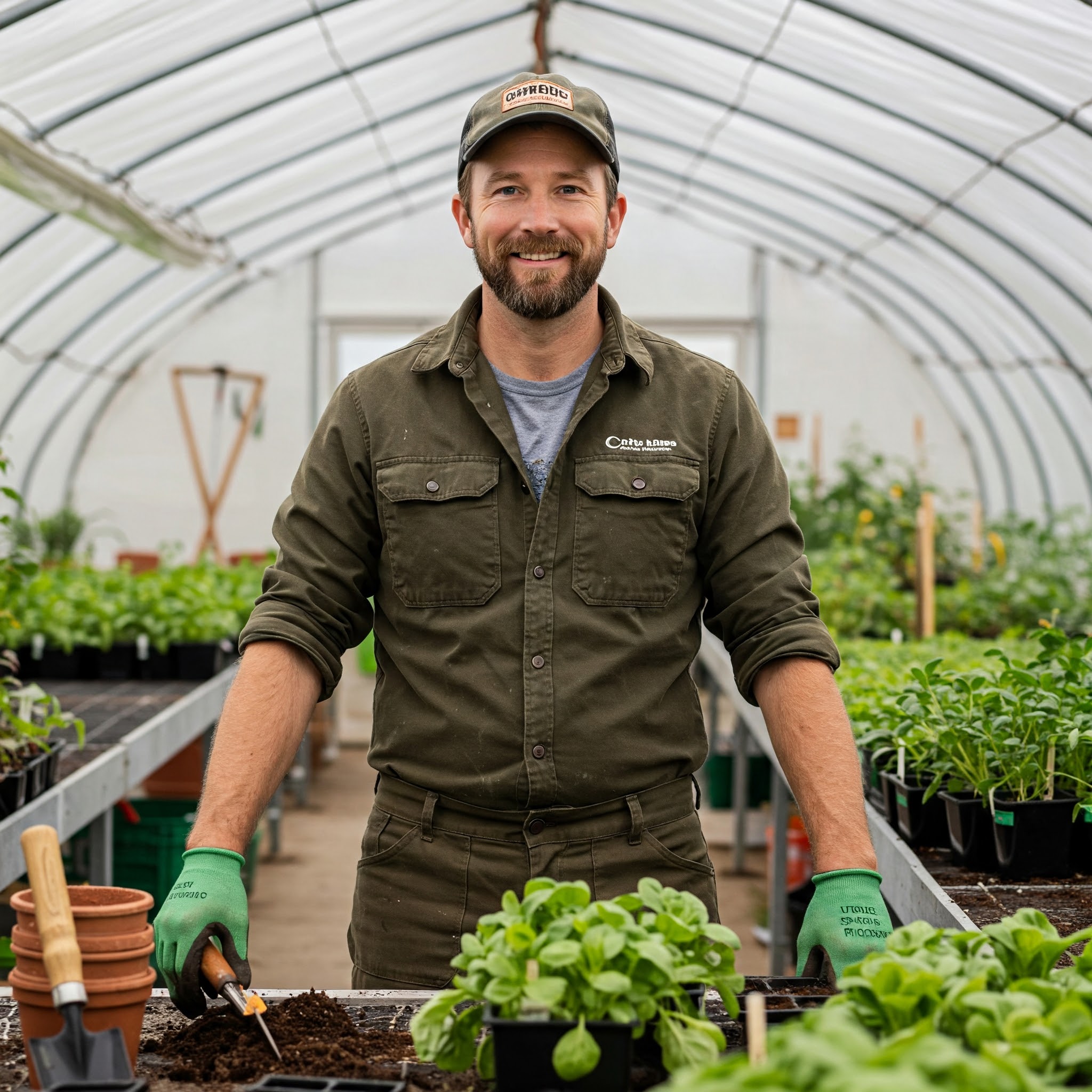
I’m John Doe, a Certified Master Gardener with over 20 years of hands-on experience in cultivating healthy and vibrant gardens. My expertise spans organic gardening, soil science, and sustainable pest control. I’ve worked extensively with community gardens and have a deep passion for sharing my knowledge to help others succeed in their gardening endeavors.