How to Grow an Avocado Tree That Bears Fruit
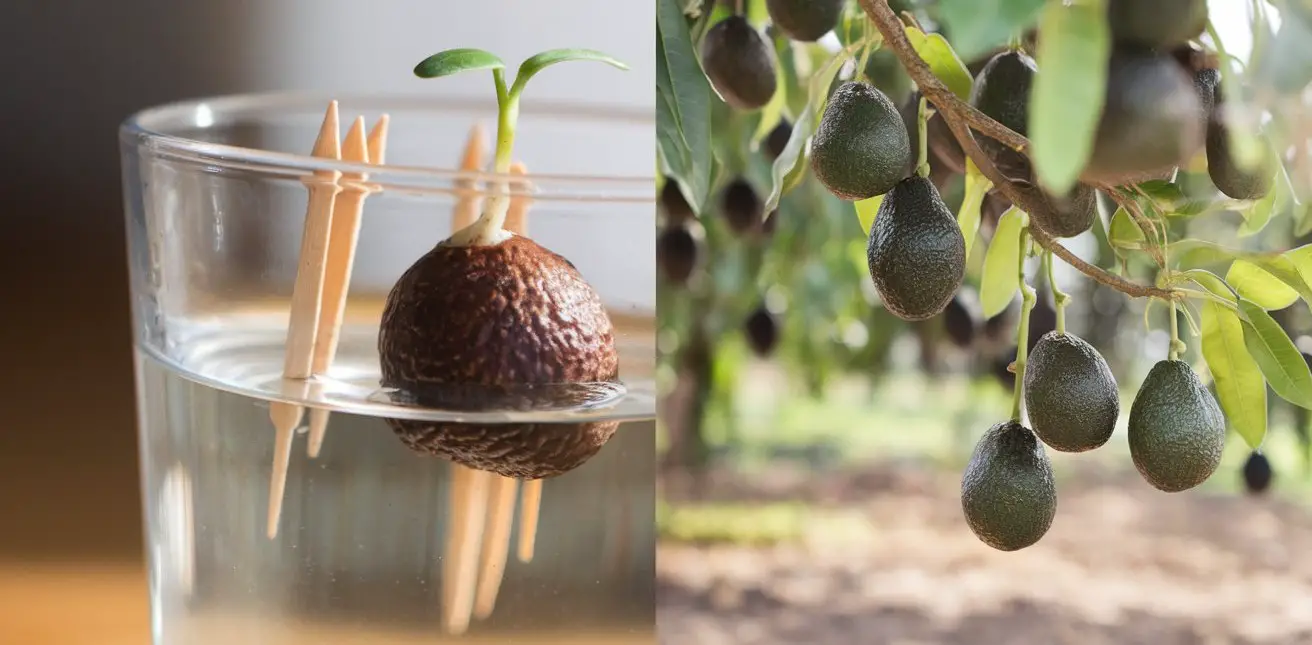
Imagine the simple pleasure of walking out to your garden and picking a perfectly ripe, creamy avocado – one you’ve grown yourself! This guide will show you how to grow an avocado tree that bears fruit.
However, it’s important to know that getting an avocado tree to bear those delicious fruits isn’t always as simple as planting a seed. It takes understanding specific needs and being patient as your tree matures. This guide will walk you through the key things you need to know to give your avocado tree the best chance of producing a rewarding harvest. We’ll cover everything from choosing the right kind of avocado to the secrets of getting those flowers to turn into fruit, all focused on how to grow an avocado tree that bears fruit.
Making informed choices from the start is crucial. The type of avocado you choose and how well you understand its needs for our climate here in Bangladesh will make a big difference in your success in growing an avocado tree that bears fruit.
So, get ready to learn the steps involved in how to grow an avocado tree that bears fruit! We’ll explore:
- Choosing the right avocado variety for our region is the first step in how to grow an avocado tree that bears fruit.
- Creating the perfect growing conditions for a happy and productive tree is vital for how to grow an avocado tree that bears fruit.
- Planting and caring for your avocado with expert tips on how to grow an avocado tree that bears fruit.
- Understanding and encouraging pollination – the key to fruit development when considering how to grow an avocado tree that bears fruit.
- Troubleshooting common problems that might prevent fruiting when learning how to grow an avocado tree that bears fruit.
Let’s dive in and start your journey towards homegrown avocados and learn exactly how to grow an avocado tree that bears fruit!
Choosing the Right Avocado Variety for Fruit Production
To truly understand how to grow an avocado tree that bears fruit, the very first step is selecting the right variety for your specific conditions. Not all avocado trees are created equal when it comes to fruit production, and some thrive better in certain climates than others.
Understanding Variety Importance
Think of it like choosing the right tool for a job. Some avocado varieties are naturally more inclined to produce fruit, while others might struggle in your specific climate or require very particular care to do so. Choosing wisely from the start will significantly increase your chances of enjoying homegrown avocados.
Detailed Profiles of Popular Varieties
Let’s explore some well-known avocado varieties and see how they might fare in warmer climates:
Hass Avocado:
- Why it’s popular: Hass avocados are cherished worldwide for their rich, creamy texture and delightful, nutty flavor. They are the most common variety available in stores.
- Specific climate needs: Hass thrives in warm, subtropical climates, generally within USDA zones 9-11. Its warm and humid climate can be suitable for Hass, especially if protected from extreme heat and humidity during certain times of the year.
- Reliability of fruit production: Hass is known for bearing fruit relatively reliably compared to some other varieties, given the right conditions.
- Flower Type: Type A.
Fuerte Avocado:
- Tolerance to cooler temperatures: Fuerte is known for being a bit more tolerant of cooler temperatures compared to Hass. This might offer a slight advantage in less tropical, potentially cooler microclimates during winter.
- Taste and texture profile: Fuerte has a smooth, buttery texture and a mild, slightly sweet flavor.
- Climate suitability: It can grow in both warm and slightly cooler regions (USDA zones 8-11). It could potentially adapt well to various warmer regions.
- Fruit production notes:Fuerte avocados yield good fruit under favorable conditions, but having a Type A avocado tree close by can enhance pollination and improve fruit production.
- Flower Type: Type B.
Bacon Avocado:
- Highlighting its cold hardiness: Bacon avocados are known for their cold-hardiness, making them a suitable choice for regions that experience even mild winter chills.
- Taste and texture: It has a lighter flavor and is less creamy than Hass or Fuerte.
- Climate suitability: Suitable for USDA zones 8-10. It could be a resilient choice for some warmer areas.
- Fruit production timeline: It might take a bit longer for Bacon to start producing fruit compared to Hass and Fuerte.
- Flower Type: Type B.
- Highlighting its cold hardiness: Bacon avocados are known for their cold-hardiness, making them a suitable choice for regions that experience even mild winter chills.
The Crucial Role of Pollination: The Secret to Avocado Fruit
Avocado trees have a fascinating flowering system. They have two types of flowers, cleverly named Type A and Type B. Each type has both male and female parts, but they don’t open in sync:
- Type A Flowers: These flowers function as female in the morning on the first day before closing, then reopen as male in the afternoon of the second day. Hass is an example of a Type A variety.
- Type B Flowers: These flowers function as female in the afternoon of the first day before closing, then reopen as male in the morning of the second day. Fuerte and Bacon are examples of Type B varieties.
Why does this matter for getting fruit? If you only have one avocado tree, the timing of its male and female flower openings might not perfectly align for self-pollination. However, having both a Type A and a Type B avocado tree growing nearby significantly improves the chances of successful cross-pollination. When the Type A tree is in its male phase, the Type B tree is likely in its female phase, and vice versa. This allows bees and other pollinators to transfer pollen between the two different flower types, leading to better fruit set.
For better pollination in your garden, consider planting:
- Hass (Type A) with Fuerte or Bacon (Type B).
- Fuerte or Bacon (Type B) with Hass (Type A).
While some avocado varieties can produce some fruit on their own (parthenocarpically), having a compatible pollinating partner nearby will generally lead to a much heavier and more reliable harvest.
Recommendation Based on Your Location and Goals
Considering warmer climates, Hass is often a popular choice for its fruit quality and relatively reliable production. However, to maximize your chances of a good harvest, especially if you have space, planting a Fuerte or Bacon alongside your Hass can be a very beneficial strategy for improved pollination.
It’s advisable to check with local nurseries to see which of these varieties (or others suited to your conditions) are readily available. They might also have specific insights into the performance of different varieties in your particular area.
By carefully choosing your avocado variety (or varieties) with pollination in mind, you’re taking the first and most crucial step towards successfully growing your fruit-bearing avocado tree.
Creating Ideal Growing Conditions for a Fruitful Avocado Tree
The next crucial step in learning how to grow an avocado tree that bears fruit is to provide the perfect environment for it to thrive. This involves understanding its needs for soil, water, and sunlight.
Soil Requirements: The Foundation for Healthy Growth
The soil acts as the cornerstone of your avocado tree’s vitality and fruit-bearing potential. Well-draining soil is absolutely essential since avocado roots are highly vulnerable to root rot—a serious issue that arises from prolonged waterlogging. When soil remains overly wet, it deprives roots of the oxygen they need to function efficiently, both in breathing and nutrient absorption. This oxygen deficit can lead to root rot, weakening or even killing the tree, ultimately blocking its ability to produce fruit. Prioritizing proper soil drainage is crucial for cultivating a healthy avocado tree.
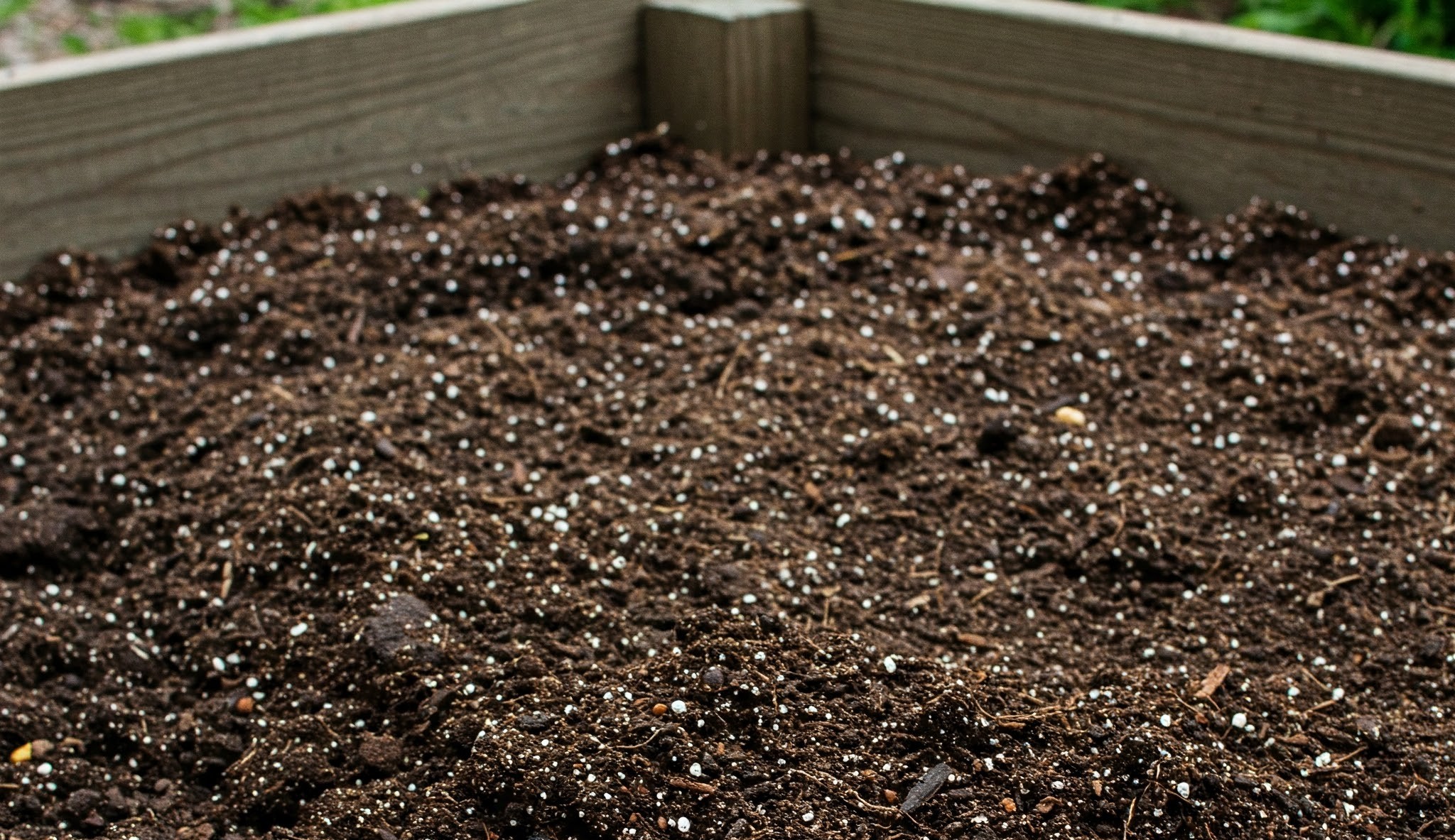
Loamy soil is perfect for avocado trees, as its balanced mix of sand, silt, and clay offers excellent drainage while maintaining moisture and nutrients. If your soil leans towards being sandy, it will naturally drain well, but you may need to enrich it with organic matter like compost to improve water and nutrient retention for optimal tree health.
Another vital element of soil health is its pH level. Avocado trees flourish in slightly acidic soil with a pH between 6.0 and 6.5, as this range supports optimal absorption of nutrients necessary for robust growth and fruit production. A straightforward soil testing kit, readily available at garden centers, can help you check your soil’s pH.
If your soil proves to be too alkaline (high pH), incorporating organic matter such as compost or sulfur can lower it effectively. On the flip side, if the soil is overly acidic (low pH), adding lime can help neutralize it. While a soil test offers the clearest picture, consistently amending with high-quality organic compost is an excellent long-term strategy for balancing the pH and enriching overall soil health. A little care here goes a long way in ensuring healthy avocado trees!
Dealing with heavy clay soil is indeed challenging when planting avocado trees, as its water-retention characteristics can promote root rot due to poor drainage. Direct planting in such soil is generally discouraged unless significant modifications are made.
To improve heavy clay soil:
- Introduce generous amounts of organic matter like compost or well-rotted manure to enrich and loosen the soil.
- Add materials like sand, perlite, or fine gravel to enhance drainage and soil aeration.
- Consider constructing raised planting beds to boost water flow and avoid stagnation around the tree’s roots.
These approaches can transform clay soil into a more suitable environment for your avocado tree’s growth and health. Making the soil work for the tree is worth the effort!
Watering Needs: Balancing Moisture for Health and Fruit Set
Effective watering plays a crucial role in nurturing an avocado tree that will bear fruit. The ideal approach is deep and infrequent watering rather than frequent, shallow watering. By watering deeply, you encourage the roots to penetrate deeper into the soil, promoting a robust root system and increasing the tree’s resilience. Striking this balance ensures your avocado tree grows strong and healthy, ready to produce those delicious fruits!
How do you know when it’s time to water? The best way is to use the finger test. Simply stick your finger about two inches deep into the soil near the base of the tree. If the soil feels dry at that depth, it’s time to water. If it still feels moist, wait a few more days before watering again.
Avoiding overwatering is essential to keeping your avocado tree healthy. As we’ve touched on, soggy soil deprives roots of oxygen, resulting in root rot, which often manifests as yellowing leaves—a clear sign of distress. That said, it’s equally important not to let the soil dry out entirely for prolonged periods, as this can stress the tree and hinder its growth. Striking the right balance, with deep but less frequent watering, ensures a thriving, fruit-producing tree.
As the weather cools down during the winter months, your avocado tree will enter a less active growth phase and won’t need as much water. Reduce your watering frequency during this time to prevent the soil from staying too wet for too long.
Your tree’s leaves can also give you clues about its watering needs:
- Overwatering signs: Leaves may turn yellow and might feel soft or droopy.
- Underwatering signs: Dry, brittle, and browning edges on leaves, coupled with wilting, can indicate your avocado tree is under stress.
Sunlight and Temperature: Essential for Energy and Development
Like all fruit-bearing trees, avocado trees rely heavily on sunlight to produce the energy necessary for healthy growth and fruitful harvests. They need at least 6 hours of direct sunlight daily, though more is often even better. When deciding where to plant your tree, choose the sunniest area in your garden, ensuring it’s free from the shadow cast by buildings or larger trees. A bright, open spot is key to helping your avocado tree thrive.
Avocado trees flourish in warm climates, with an ideal temperature range of 60°F to 85°F (about 15°C to 29°C). While many regions comfortably meet this requirement for much of the year, it’s essential to keep potential temperature extremes in mind.
While severe frost is rare in warmer climates, cooler temperatures, particularly during winter nights, can indeed threaten young avocado trees. Frost exposure can harm leaves, tender stems, and even the overall health of the tree, potentially reducing its capacity to bear fruit. To protect your tree during cooler periods:
- Frost Cloth: Cover the tree with a frost cloth or blanket on nights when temperatures are expected to drop significantly. Make sure the covering extends to the ground to trap warmth.
- Mulch: Adding a 2-4 inch layer of mulch around the base of your avocado tree is an excellent practice. It helps insulate the soil, shielding the roots from temperature swings, and retains moisture, promoting a stable growing environment. Just ensure the mulch is kept a few inches away from the trunk to prevent rot and pests from harming the tree.
- Potted Trees: If you are growing a young avocado tree in a pot, you have the option of moving it to a more sheltered location indoors or under a covered patio during particularly cold spells.
By ensuring your avocado tree receives the right amount of water and plenty of sunshine, and by protecting it from temperature extremes, you’ll be well on your way to creating the ideal growing conditions for a fruitful harvest.
Planting and Caring for Your Avocado Tree for Optimal Fruit Yield
Once you’ve chosen the right avocado variety and prepared the ideal growing conditions, the next vital steps in how to grow an avocado tree that bears fruit are proper planting and consistent care.
Planting Your Avocado Tree Correctly
Giving your young avocado tree the right start in the ground is crucial for its long-term health and fruit-bearing potential:
Dig the Right-Sized Hole: Dig a planting hole that is twice as wide as the root ball of your young tree and just as deep. This extra width allows the roots to spread easily into the surrounding soil.
Position the Tree Properly (Especially Grafted Trees): Most avocado trees intended for fruit production are grafted to combine the desirable fruit variety (scion) with a robust rootstock for enhanced growth and resilience. Grafting ensures the tree produces high-quality fruit while maintaining strong root systems that adapt well to various conditions. Look for a noticeable bump or scar near the base of the trunk – this is the graft line, where the desired fruit-producing variety (scion) was joined to a sturdy rootstock. It is essential to plant the tree so that the graft line remains at least a few inches above the soil level. Planting the graft line below the soil can lead to the rootstock growing instead of the desired variety, or it can make the graft union susceptible to rot and disease.
Fill with Nutrient-Rich, Well-Draining Soil: When backfilling the hole, use the soil you removed, but amend it generously with high-quality compost. This will provide essential nutrients and improve drainage. Avoid pressing the soil down too firmly around the roots, as you want to allow for good airflow and water penetration.
Water Thoroughly: Immediately after planting, water the tree deeply. This helps settle the soil around the roots and removes any air pockets. Continue to keep the soil consistently moist (but not soggy) during the initial establishment period.
Mulch for Protection: Apply a layer of 2 to 4 inches of organic mulch, such as wood chips or shredded bark, around the base of the tree. Leaving a gap of several inches between the mulch and the tree trunk is a vital step to avoid moisture buildup and potential rot around the base. Mulch serves as an invaluable tool for maintaining healthy avocado trees by retaining soil moisture, moderating soil temperature, and minimizing weed growth. It’s a simple yet powerful practice that greatly enhances the tree’s overall health and productivity!
Fertilizing for Healthy Growth and Fruit Production
Fertilization is vital for ensuring your avocado tree grows strong and produces fruit effectively.
- Use a Balanced, Nitrogen-Rich Fertilizer: Selecting a balanced fertilizer with a higher nitrogen content, like a 10-5-5 (Nitrogen-Phosphorus-Potassium) ratio, is an excellent choice for avocado trees. During the active growing seasons—spring and summer—this ratio supports vigorous foliage growth and overall tree health, while providing the nutrients necessary for fruit production down the line.
- Timing is Key: Apply fertilizer about three times a year: once in early spring as new growth begins, again in late spring or early summer to support active growth, and a final time in early fall to help the tree prepare for the less active winter months. Avoid fertilizing in late fall or winter when the tree’s growth naturally slows down.
- Understanding Macronutrients:
- Nitrogen (N): Ensures healthy leafy growth and strong stems.
- Phosphorus (P): Supports root development, flowering, and fruit set.
- Potassium (K): Contributes to overall tree health, disease resistance, and fruit quality.
- Caution with Over-Fertilizing: Be careful not to over-fertilize, especially with too much nitrogen. Too much nitrogen makes the tree grow lots of leaves but stops it from making flowers and fruits. Always follow the fertilizer product instructions.
- Micronutrient Needs: Yellowing between the leaf veins (interveinal chlorosis) can signal a lack of micronutrients like zinc or iron in your tree. In such cases, a soil test can help identify the specific deficiency, and you can then use a fertilizer that includes those micronutrients.
Pruning for Structure, Health, and Potential Fruitfulness
Pruning helps keep avocado trees healthy and ready to produce fruit.
- Goals of Pruning:
- Remove Dead or Diseased Branches: This prevents pests and diseases from spreading and keeps the tree healthier.
- Shape the Tree: Pruning shapes the tree for better sunlight and airflow, reducing fungal disease risks.
- Manage Size: Pruning keeps the tree small enough for easier care and harvesting.
- Potentially Encourage Fruit Production (in mature trees): While heavy pruning isn’t typically recommended for young avocado trees, light pruning on mature trees can sometimes stimulate new growth that will bear fruit in the following season.
- Remove Dead or Diseased Branches: This prevents pests and diseases from spreading and keeps the tree healthier.
- Light Pruning in the First Year: During the first year after planting, focus on removing any dead or damaged branches and perhaps lightly shaping the tree. Avoid heavy pruning while the tree is still establishing itself.
- Annual Pruning for Mature Trees: Once your avocado tree matures, prune it yearly in late winter or early spring before new growth starts. Focus on removing any crossing, overcrowded, weak, or upward-growing branches to open up the canopy.
- Use Clean, Sharp Tools: Always use clean and sharp pruning shears or loppers to make clean cuts. This helps the tree heal quickly and reduces the risk of introducing diseases. Disinfect your pruning tools with rubbing alcohol between cuts, especially when removing diseased branches.
Ensuring Proper Pollination for a Bountiful Harvest
A critical aspect of how to grow an avocado tree that bears fruit is understanding and facilitating pollination. Without successful pollination, those beautiful avocado blossoms will simply drop off without producing any fruit.
Reiterating the Importance of Pollination
To recap, pollination is the transfer of pollen from the male part of a flower to the female part, which then leads to fertilization and the development of fruit. While avocado flowers have both male and female components, the timing of their receptivity is staggered (Type A and Type B), making cross-pollination highly beneficial for a good harvest.
Detailed Explanation of Hand Pollination
If you only have one avocado tree, or if you want to maximize fruit set, you can try hand pollination:
Identify Flower Types: Observe your avocado flowers.
- Type A Flowers: On the first day they open, the central stigma (the female receptive part) will be prominent in the morning. The pollen-producing anthers (male part) will typically lie flat along the petals and aren’t shedding pollen yet. These flowers will close by afternoon. On the second day, they will reopen in the afternoon, and the anthers in the center will be erect and shedding pollen (the male phase).
- Type B Flowers: These flowers follow the opposite schedule. They open as female-receptive in the afternoon of the first day and close by evening. On the second day, they reopen in the morning with erect, pollen-shedding anthers (male phase).
Collect Pollen: Using a small, soft brush (like a fine paintbrush or a cotton swab), gently brush the anthers of a flower that is in its male phase (shedding visible pollen – usually yellow dust). This is best done in the afternoon for Type A flowers and in the morning for Type B flowers.
Transfer Pollen: Immediately take your brush with the collected pollen and gently brush the stigma (the sticky central part) of a flower that is in its female phase (receptive). This is best done in the morning for Type A flowers and in the afternoon for Type B flowers.
Repeat Daily: For the best results, repeat this process daily during the entire flowering season, focusing on transferring pollen between Type A and Type B flowers if you have both types. If you only have one tree, you can try transferring pollen from a flower in its male phase to another flower on the same tree that is in its female phase at the right time.
The Power of Companion Planting (Multiple Trees)
The most reliable way to ensure good pollination for your avocado tree is to plant both a Type A and a Type B avocado variety nearby. This allows natural cross-pollination to occur, mainly facilitated by bees and other insects.
Here’s a reminder of common Type A and Type B avocado varieties:
- Type A Varieties: Hass, Pinkerton, Reed
- Type B Varieties: Fuerte, Bacon, Zutano
By having at least one of each type in your garden, their flowering cycles will overlap, significantly increasing the chances of successful pollination and a bountiful harvest.
Attracting Natural Pollinators: Supporting the Ecosystem
While hand pollination can be effective, encouraging natural pollinators, especially bees, to visit your avocado trees is a sustainable and efficient way to ensure good fruit set.
To attract bees and other beneficial insects to your garden:
- Plant Nectar-Rich Flowers: Surround your avocado tree with a variety of flowering plants that provide a good source of nectar and pollen. Consider planting local flowering herbs like basil and rosemary, as well as other bee-friendly flowers such as lavender, sunflowers, and marigolds. Choose a mix of flower shapes and colors to attract a wider range of pollinators.
- Avoid Pesticides: Strongly avoid using broad-spectrum pesticides, especially during the avocado’s flowering period. These chemicals can harm or kill bees and other beneficial insects that are crucial for pollination. If you must deal with pests, opt for organic and targeted solutions applied carefully and outside of peak flowering times.
- Provide Water Sources: Bees need water. A shallow dish with pebbles and fresh water can be a welcome addition to your garden, attracting them to the area.
By understanding the pollination process and taking steps to facilitate it, whether through hand pollination or by encouraging natural pollinators with companion planting and a bee-friendly environment, you’ll greatly increase your chances of enjoying a successful avocado harvest.
Common Problems and Solutions for Fruit-Bearing Avocado Trees
Even with the best care, you might encounter some challenges when learning how to grow an avocado tree that bears fruit. Recognizing these problems early and knowing how to address them is key to a successful harvest.
Yellow Leaves (Chlorosis)
Problem: The leaves of your avocado tree are turning yellow.
Possible Causes:
- Overwatering and Root Rot: When the soil stays consistently waterlogged, it deprives the roots of oxygen, leading to stress and root rot. Damaged roots cannot efficiently absorb nutrients, resulting in yellowing leaves.
- Nutrient Deficiencies: A lack of essential nutrients, particularly nitrogen or iron, can cause chlorosis. Nitrogen deficiency often shows as general yellowing of older leaves, while iron deficiency typically presents as yellowing between the veins of younger leaves, with the veins remaining green.
- Poor Drainage: Even with careful watering, if the soil doesn’t drain well, it can lead to conditions similar to overwatering and contribute to root problems and nutrient uptake issues.
Solutions:
- Adjust Watering: Allow the top inch or two of soil to dry out before watering again. Ensure your pot or planting area has good drainage.
- Improve Drainage: If poor drainage is the issue, amend the soil around your tree with organic matter like compost or consider transplanting to a location with better drainage or into a raised bed. For potted trees, ensure the pot has adequate drainage holes.
- Consider Fertilization: If nutrient deficiency is suspected, use a balanced avocado fertilizer that contains essential micronutrients like iron and zinc. Follow the product instructions carefully. For suspected iron deficiency, you might consider a chelated iron supplement.
Leaf Browning (Tip Burn/Edge Burn)
Problem: The tips or edges of your avocado tree’s leaves are turning brown and dry.
Possible Causes:
- Salt Buildup: Over time, salts from tap water or fertilizers can accumulate in the soil, leading to a buildup that can damage the leaf tips and edges.
- Sunburn: Young avocado trees, or those not fully acclimated to intense sunlight, can experience leaf burn, especially on the edges and tips.
- Underwatering: While less common than overwatering issues, consistently dry soil can also lead to browning leaf tips and edges.
Solutions:
- Flush the Soil: Periodically, deeply water your tree until water runs freely from the bottom of the pot or planting area. This helps to leach out accumulated salts.
- Use Filtered Water: If your tap water is known to be high in salts, consider using filtered or rainwater for your avocado tree.
- Provide Shade: If sunburn is suspected, especially for young trees, provide temporary shade during the hottest part of the day using shade cloth. Gradually acclimate young trees to full sun.
- Check Watering Frequency: Ensure you are watering adequately, especially during hot and dry periods. Use the finger test to gauge soil moisture.
No Fruit Production (Despite Flowers)
Problem: Your avocado tree is producing flowers, but no fruit is developing.
Possible Causes:
- Poor Pollination: As discussed earlier, inadequate cross-pollination between Type A and Type B avocado flowers is a very common reason for lack of fruit set.
- Young Tree Age: Avocado trees, especially those grown from seed, can take several years to mature enough to produce fruit. Even grafted trees may take a few years to establish.
- Insufficient Sunlight: Lack of adequate sunlight can weaken the tree and reduce its ability to produce fruit.
- Nutrient Imbalances: While nitrogen is important for growth, excessive nitrogen can sometimes lead to lush foliage growth at the expense of flowering and fruiting. A lack of phosphorus can also hinder fruit development.
- Environmental Stress: Factors like extreme temperatures, sudden changes in watering, or transplant shock can stress the tree and cause it to drop flowers without setting fruit.
Solutions:
- Hand Pollinate: If you only have one tree or want to increase fruit set, try hand pollinating the flowers as described in the previous section.
- Plant a Companion Tree: If space allows, planting a compatible Type A or Type B avocado variety nearby will significantly improve natural cross-pollination.
- Ensure Adequate Sunlight: Make sure your tree is receiving at least 6 hours of direct sunlight daily. If it’s in a shady location, consider transplanting it.
- Use a Balanced Fertilizer (Adjusting as the Tree Matures): Use a balanced fertilizer during the growing season. As the tree matures and starts flowering, you might consider a fertilizer with a slightly lower nitrogen and higher phosphorus content to encourage blooming and fruit development.
- Provide Stable Conditions: Try to avoid sudden changes in the tree’s environment and ensure consistent watering and protection from extreme temperatures. Be patient, especially with young trees, as they need time to mature and begin fruiting.
Frequently Asked Questions
Q. How do I make my avocado tree bear fruit?
To encourage your avocado tree to bear fruit, focus on:
- Variety Selection: Choose a variety known to fruit well in your climate and consider planting both a Type A and a Type B avocado tree for better pollination.
- Ideal Growing Conditions: Ensure well-draining soil, proper watering (deep and infrequent), and at least 6 hours of direct sunlight daily. Protect from extreme temperatures.
- Pollination: Facilitate pollination through companion planting of Type A and Type B varieties or by attracting natural pollinators. Hand pollination can also be attempted.
- Patience: Avocado trees, especially young ones or those grown from seed, take time to mature and produce fruit.
Q. Why is my avocado tree flowering but not producing fruit?
There are several reasons why your avocado tree might flower but not produce fruit:
- Poor Pollination: Lack of a compatible pollinator tree nearby or insufficient pollinator activity (bees, insects).
- Young Tree Age: Young trees may flower before they are mature enough to set fruit.
- Tree Health: An unhealthy or stressed tree might drop flowers. Ensure proper watering, sunlight, and nutrient balance.
- Nutrient Imbalances: Too much nitrogen can encourage leafy growth over fruiting.
- Environmental Factors: Cold snaps or heavy rain during flowering can interfere with pollination.
Q. How many years does it take for an avocado to bear fruit?
The time it takes for an avocado tree to bear fruit depends on how it was grown:
- Grafted Trees (from nurseries): These trees, which are mature fruiting varieties grafted onto hardy rootstock, typically start producing fruit within 3-5 years after planting.
- Seed-Grown Trees: Avocado trees grown from seed have a longer juvenile period and can take anywhere from 5 to 13 years or even longer to produce fruit, and there’s no guarantee the fruit will be the same quality as the parent avocado.
Q. Will an avocado tree bear fruit if grown from a seed?
Yes, an avocado tree grown from a seed can eventually bear fruit. However, as mentioned above, it takes significantly longer (5-13+ years), and the fruit produced may not be the same type or quality as the avocado the seed came from (“not true to type”). Grafting is the preferred method for ensuring fruit production of a desired variety within a reasonable timeframe.
Q. Can potted avocados bear fruit?
Yes, potted avocado trees can bear fruit, but they require careful attention to their needs. Ensure a large enough pot with good drainage, provide adequate sunlight and water, and fertilize appropriately. Pollination can be a challenge indoors, so hand pollination might be necessary. Dwarf avocado varieties are often better suited for container growing.
Q. How do you encourage an avocado tree to flower?
To encourage an avocado tree to flower:
- Ensure Proper Chilling: Avocado trees in some climates benefit from a mild chilling period (temperatures between 32-45°F or 0-7°C for a few months) during dormancy to promote flowering.
- Provide Adequate Sunlight: At least 6 hours of direct sunlight daily is crucial.
- Maintain Balanced Nutrition: Avoid excessive nitrogen, especially as the tree matures. Ensure sufficient levels of phosphorus and potassium. Some growers recommend foliar sprays containing zinc, boron, and manganese.
- Avoid Over-Pruning: Heavy pruning can remove potential flower buds. Focus on removing dead or diseased wood and light shaping.
- Consider Root Pruning (for mature trees, use with caution): In some cases, root pruning can stress a mature tree into flowering, but this should be done carefully to avoid harming the tree.
Q. Are there specific avocado diseases common?
While specific data on prevalent avocado diseases might require local agricultural resources, some common avocado diseases that can occur in warm, humid climates like Bangladesh include:
- Root Rot (Phytophthora Root Rot): Favored by poorly draining and waterlogged soils. Symptoms include yellowing leaves, wilting, and eventual tree decline. Ensure well-draining soil and avoid overwatering to prevent this.
- Anthracnose (Colletotrichum gloeosporioides): A fungal disease common in tropical and subtropical regions with high humidity. It can affect leaves, flowers (causing them to drop), and fruits, causing dark spots and lesions. Good air circulation and appropriate fungicide applications (if necessary) can help manage this.
- Avocado Branch Canker (caused by various fungi): Can cause lesions and dieback on branches. Proper pruning practices to remove infected branches and maintain overall tree health can help prevent its spread.
It’s always best to consult with local agricultural extension services or experienced avocado growers in your specific region for the most accurate information on prevalent diseases and recommended management practices. Maintaining good overall tree health, ensuring proper drainage and air circulation, and using disease-free planting material are crucial preventative measures.
Conclusion: The Path to Homegrown Avocados
Growing an avocado tree that eventually rewards you with its creamy, delicious fruit is a truly rewarding endeavor. However, as you’ve learned, it’s also a process that often requires patience and careful attention to detail. Success in how to grow an avocado tree that bears fruit hinges on several key factors:
- Choosing the Right Variety: Selecting a variety that is well-suited to your local climate and understanding its pollination needs is the crucial first step.
- Creating Ideal Growing Conditions: Providing well-draining soil, consistent yet appropriate watering, and ample sunlight are fundamental for a healthy and productive tree.
- Implementing Pollination Strategies: Whether through planting compatible Type A and Type B varieties or encouraging natural pollinators, understanding and facilitating pollination is essential for fruit set.
- Exercising Patience: Remember that avocado trees, especially those grown from seed, take time to mature and begin bearing fruit. Even grafted trees require a few years to establish.
Throughout this journey, pay close attention to your avocado tree. Observe its leaves, its growth patterns, and its flowering. By understanding its signals, you can adapt your care as needed, addressing any problems that may arise and fine-tuning its environment for optimal health and fruit production.
With dedication, consistent care, and a little bit of patience, the dream of harvesting your very own homegrown avocados can indeed become a reality. Enjoy the process, learn from your tree, and look forward to the delicious rewards of your efforts!
I’m John Doe, a Certified Master Gardener with over 20 years of hands-on experience in cultivating healthy and vibrant gardens. My expertise spans organic gardening, soil science, and sustainable pest control. I’ve worked extensively with community gardens and have a deep passion for sharing my knowledge to help others succeed in their gardening endeavors.