How to Grow Begonias

With their captivating array of petal shapes, textures, and a vibrant spectrum of colors, begonias hold a special charm for gardeners everywhere. Whether gracing shaded corners of outdoor landscapes or adding a splash of life to indoor spaces, their versatility and beauty are undeniable. While often admired for their seemingly effortless elegance, truly thriving begonias are a testament to understanding and catering to their specific needs. This guide aims to provide you with the expert knowledge required to successfully cultivate these delightful plants.
Begonias belong to the large plant family Begoniaceae and encompass a remarkable diversity of forms, from delicate trailing varieties to upright, bushy specimens with striking foliage. Their botanical characteristics vary significantly across the many species and cultivars, each offering unique visual appeal. While the basics of care might seem straightforward, achieving consistent health and abundant blooms requires a nuanced approach to their requirements for soil, water, and light.
This guide will delve into the essential aspects of how to grow begonias successfully. We will explore the different types of begonias and their specific needs, guide you through creating the ideal growing environment, explain effective planting and propagation techniques, detail the art of proper fertilization, and provide strategies for managing common pests and diseases.
Here’s a roadmap of what we’ll cover in this comprehensive guide on how to grow begonias:
- Understanding Begonia Varieties: Choosing the right plant for your space.
- Creating the Ideal Growing Environment: Soil, light, temperature, and humidity.
- Planting and Propagating Begonias: Expanding your collection.
- Fertilizing for Vigorous Growth and Abundant Blooms: Providing essential nutrients.
- Pest and Disease Management: Protecting your begonias’ health.
- Troubleshooting Common Begonia Growing Problems: Identifying and resolving issues.
- Frequently Asked Questions: Addressing common concerns about growing begonias.
Understanding Begonia Varieties: Choosing the Right Plant for Your Space
The world of begonias is incredibly diverse, offering a multitude of shapes, sizes, colors, and textures to suit various gardening styles and environments. Understanding the main categories will help you select the perfect begonia to thrive in your specific conditions.
Overview of Begonia Diversity
Begonias are broadly categorized based on their root or stem structures, which dictate their growth habits and care requirements. The primary categories include:
- Fibrous-rooted begonias: These are characterized by a bushy growth habit and a network of fine, thread-like roots. They are often grown as annuals and are popular for bedding, borders, and containers.
- Tuberous begonias: These begonias grow from fleshy underground tubers, producing large, often spectacular flowers. They typically go dormant in the winter and are well-suited for hanging baskets and shaded garden spots.
- Rex begonias: Prized for their stunning and often dramatically patterned foliage, Rex begonias are rhizomatous but are so distinct in their leaf characteristics that they are often considered a separate category.They are primarily grown indoors.
- Rhizomatous begonias: These begonias grow from a thick, creeping stem (rhizome) that grows horizontally, either above or just below the soil surface. They exhibit a wide variety of leaf shapes, sizes, and textures and are excellent for both indoor and shaded outdoor environments.
Detailed Descriptions of Key Varieties
- Fibrous Begonias:
- Growth Habits: Typically compact and bushy, ranging in height from a few inches to over a foot. They produce masses of small to medium-sized flowers continuously throughout the growing season.
- Ideal Uses: Excellent for mass plantings in flower beds, filling containers and window boxes, and adding continuous color to shaded or partially shaded areas.Some varieties tolerate more sun, especially those with bronze foliage.
- Tuberous Begonias:
- Growth Habits: Known for their large, often double or ruffled flowers in a wide range of colors. They have a more upright or trailing habit depending on the cultivar. They are frost-tender and require a dormant period.
- Ideal Uses: Perfect for hanging baskets where their showy blooms can cascade, as focal points in shaded containers, and in sheltered spots in the garden with well-draining soil. They thrive in cooler, shaded conditions.
- Rex Begonias:
- Growth Habits: Primarily grown for their elaborate foliage, which can display a stunning array of colors including silver, pink, burgundy, green, and black, often in intricate patterns. Flowers are typically small and less significant. They prefer warm, humid indoor environments.
- Ideal Uses: Primarily grown as houseplants to showcase their unique and decorative leaves.They thrive in bright, indirect light and high humidity.
- Rhizomatous Begonias:
- Growth Habits: Exhibit a vast array of leaf shapes, sizes (from tiny to very large), and textures, often with interesting patterns and hairy or smooth surfaces. Flower clusters can be delicate or more prominent. They are generally low-maintenance and adaptable.
- Ideal Uses: Versatile for both indoors and shaded outdoor locations. Smaller varieties are great for terrariums and dish gardens, while larger ones can be striking in pots. They tolerate a wider range of conditions than Rex begonias but still prefer bright, indirect light.
Choosing the Right Variety for Your Environment:
When selecting a begonia, consider the following:
- Available Space: Bushy fibrous begonias might be ideal for filling garden beds, while trailing tuberous types suit hanging baskets. Rex and smaller rhizomatous begonias are well-suited for indoor pots.
- Light Conditions: Assess the amount of light your chosen location receives. Fibrous and some rhizomatous begonias tolerate partial sun, while tuberous and Rex begonias prefer shade or bright, indirect light.
- Climate: Consider the temperature and humidity levels in your area. Tuberous begonias require protection from frost and a dormant period.Rex begonias thrive in higher humidity.
- Desired Aesthetic: Choose varieties based on whether you prioritize flowers (tuberous, fibrous), foliage (Rex, some rhizomatous), or a combination of both.
- Maintenance Level: Rhizomatous begonias are generally the lowest maintenance, while tuberous begonias require specific care during dormancy.
Creating the Ideal Growing Environment for Begonias
Providing the right environmental conditions is paramount for the successful cultivation of begonias. Understanding their specific needs for soil, light, temperature, and humidity will lay the foundation for healthy growth and abundant blooms.
Soil Requirements: The Foundation of Healthy Growth
The type of soil you provide for your begonias significantly impacts their overall health and vigor. The most crucial factor is well-draining soil. Begonia roots are susceptible to rot if they remain in soggy conditions for extended periods.This is because the lack of oxygen in waterlogged soil suffocates the roots, making them vulnerable to fungal diseases.
The inclusion of organic matter is equally important. Organic matter, such as compost, well-rotted manure, or peat moss, improves soil structure, enhances drainage while retaining necessary moisture, and provides essential nutrients as it decomposes.
Specific Soil Mix Recommendations:
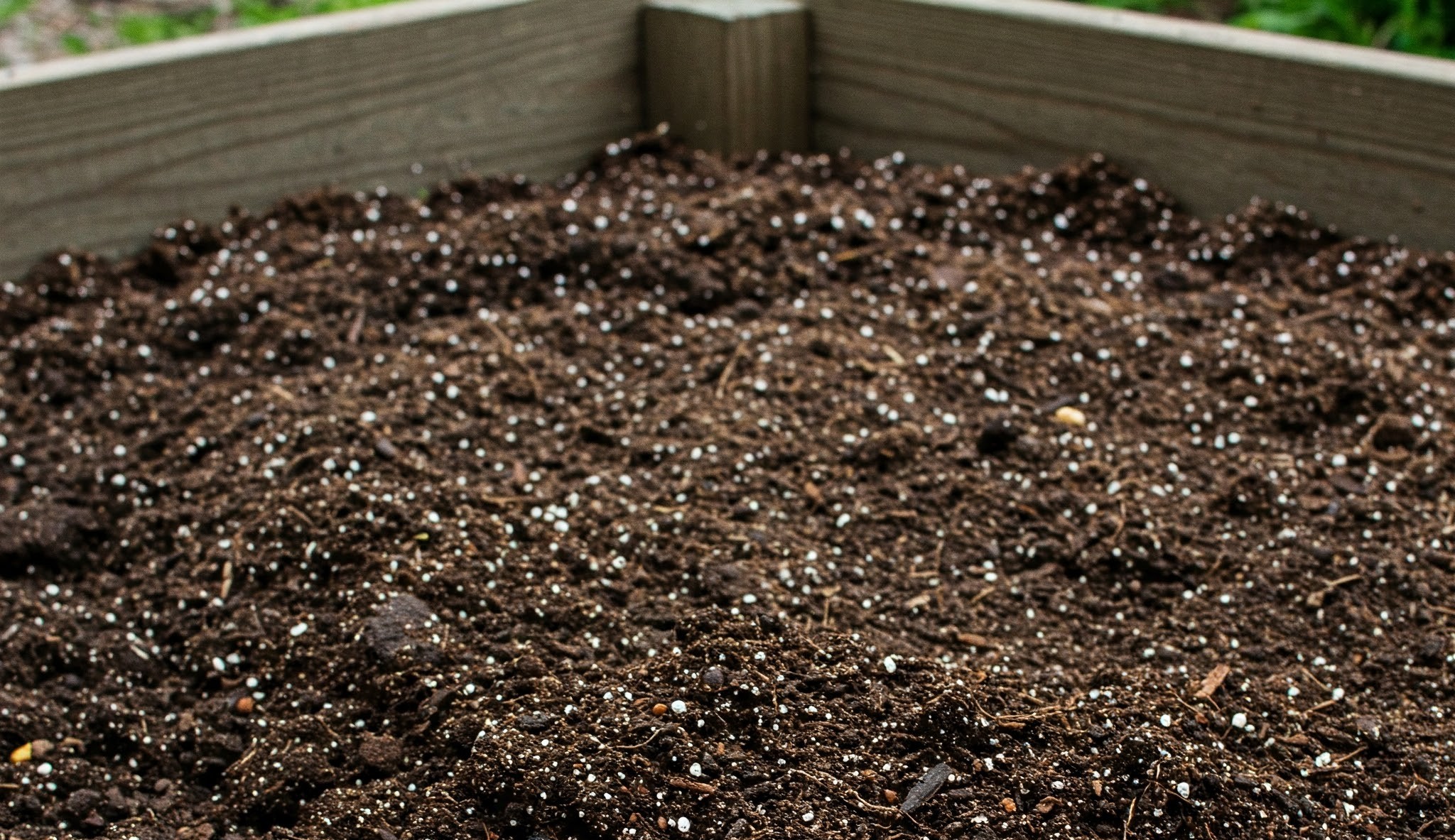
For potted begonias, a high-quality, peat-based potting mix is generally a good starting point.You can further amend this to improve drainage and aeration. Here are a few specific recommendations:
- General Purpose Mix: 2 parts peat moss or coco coir, 1 part perlite, 1 part vermiculite.
- For Fibrous and Rhizomatous Begonias: 3 parts peat-based potting mix, 1 part perlite.
- For Rex Begonias (Indoors): 2 parts peat moss, 1 part perlite, 1/2 part coarse sand.
- For Tuberous Begonias (Containers): 2 parts peat-based potting mix, 1 part perlite, 1/2 part well-rotted compost.
The Significance of pH Levels:
Begonias thrive in slightly acidic to neutral soil with a pH range of 5.5 to 6.5. This pH range allows the plants to efficiently absorb the necessary nutrients from the soil. If the pH is too high or too low, certain nutrients may become unavailable to the plant, leading to deficiencies or toxicities. Most commercially available potting mixes fall within this ideal range. If you are using garden soil, you can test the pH with a soil testing kit available at garden centers and amend it if necessary using sulfur (to lower pH) or lime (to raise pH), following the product instructions carefully.
Light and Temperature: Finding the Perfect Balance
Begonias generally prefer partial shade.6 This means they need bright, indirect light for optimal growth and flowering, but they should be shielded from direct, intense sunlight, especially during the hottest parts of the day.
Achieving Partial Shade:
- Outdoors: Plant begonias in locations that receive morning sun and afternoon shade, or under the dappled shade of trees. East-facing locations are often ideal. Avoid south-facing and west-facing spots that receive harsh midday and afternoon sun.
- Indoors: Place begonias near east-facing or west-facing windows where they receive bright, filtered light. South-facing windows may be too intense unless the light is diffused with curtains or blinds. North-facing windows may provide insufficient light for flowering begonias.
Ideal Temperature Range: The optimal temperature range for most begonias is between 60-75°F (15-24°C). While they can tolerate slightly warmer temperatures, prolonged exposure to high heat can stress the plants, leading to wilting, leaf burn, and reduced flowering.
Effects of Temperature Fluctuations: Avoid placing begonias in areas with significant temperature fluctuations, such as near drafty windows or heating/cooling vents. Sudden changes in temperature can shock the plants and hinder their growth.
Damage from Direct Sunlight: Direct, intense sunlight can scorch begonia leaves, causing brown, crispy patches. It can also bleach the color from the flowers and overall weaken the plant.
Watering and Humidity: Maintaining Optimal Moisture
Consistent moisture is essential for healthy begonias, but it’s crucial to avoid waterlogging. The goal is to keep the soil evenly moist, like a wrung-out sponge, but never soggy.
Detailed Watering Techniques to Prevent Root Rot:
- Water Thoroughly: When you water, water deeply until excess water drains from the bottom of the pot. This ensures that the entire root ball is moistened.
- Allow the Top Inch of Soil to Dry: Before watering again, allow the top inch of soil to dry out to the touch. This helps ensure that the roots have access to oxygen and prevents the soil from becoming waterlogged.
- Water at the Base of the Plant: Water directly at the base of the plant, avoiding wetting the leaves and flowers as much as possible. Wet foliage can create a humid environment around the leaves, increasing the risk of fungal diseases.
- Use Pots with Drainage Holes: Always plant begonias in pots with drainage holes to allow excess water to escape.
- Adjust Watering Based on Conditions: Watering frequency will vary depending on factors such as temperature, humidity, light levels, and the size of the pot. Check the soil moisture regularly.
- Methods for Increasing Humidity (Especially for Indoor Begonias):Many begonias, especially Rex begonias, thrive in moderate to high humidity levels. Dry indoor air, especially during winter when heating systems are in use, can lead to dry leaf edges and other issues. Here are some ways to increase humidity:
- Use a Humidifier: A room humidifier can effectively increase the overall humidity in the area where your begonias are growing.
- Pebble Tray: Place your potted begonias on a shallow tray filled with pebbles and water. As the water evaporates, it increases the humidity around the plants. Ensure the bottom of the pot is not sitting directly in the water.
- Group Plants Together: Grouping plants together can create a microclimate with slightly higher humidity as they release moisture through transpiration.
- Mist Carefully: While some gardeners mist their begonias, it’s important to do so sparingly and in the morning to allow the foliage to dry before nightfall, reducing the risk of fungal diseases.
| Factor | Ideal Condition | More Specific Details | Signs of Overwatering | Signs of Underwatering |
| Soil Type | Well-draining, rich in organic matter | Peat-based mix amended with perlite and/or vermiculite; pH 5.5-6.5 | Soil stays soggy, potential for mold growth on surface | Soil feels dry and hard, pot feels light |
| Light | Partial shade (bright, indirect) | Avoid direct midday and afternoon sun; East or West-facing windows indoors with possible diffusion | Leaves may appear pale or stretched (etiolated) in low light | Leaves may appear scorched or brown in too much direct light |
| Temperature | 60–75°F (15–24°C) | Avoid extreme fluctuations; protect from drafts and direct heat/cold sources | May lead to stress and increased susceptibility to disease | May lead to wilting and stunted growth |
| Watering | Moist but not soggy; allow top inch of soil to dry between waterings | Water thoroughly at the base until drainage occurs; adjust frequency based on environmental conditions | Wilting despite moist soil, yellowing or mushy lower leaves | Wilting with dry soil, crispy leaf edges or tips |
| Humidity | Moderate to high (especially for Rex begonias) | Aim for 50% or higher indoors; use humidifier, pebble tray, or group plants | May contribute to fungal diseases if combined with poor air circulation | Dry leaf edges, stunted growth |
| Fertilization | Balanced liquid fertilizer (e.g., 10-10-10) every 2-4 weeks during growing season | Reduce or cease fertilization during dormant months; avoid high nitrogen during flowering; follow product instructions for dilution and application | Potential for fertilizer burn (brown leaf tips) | Pale or yellowing leaves, reduced flowering |
Table: Begonia Care Guide
Planting and Propagating Begonias: Expanding Your Collection
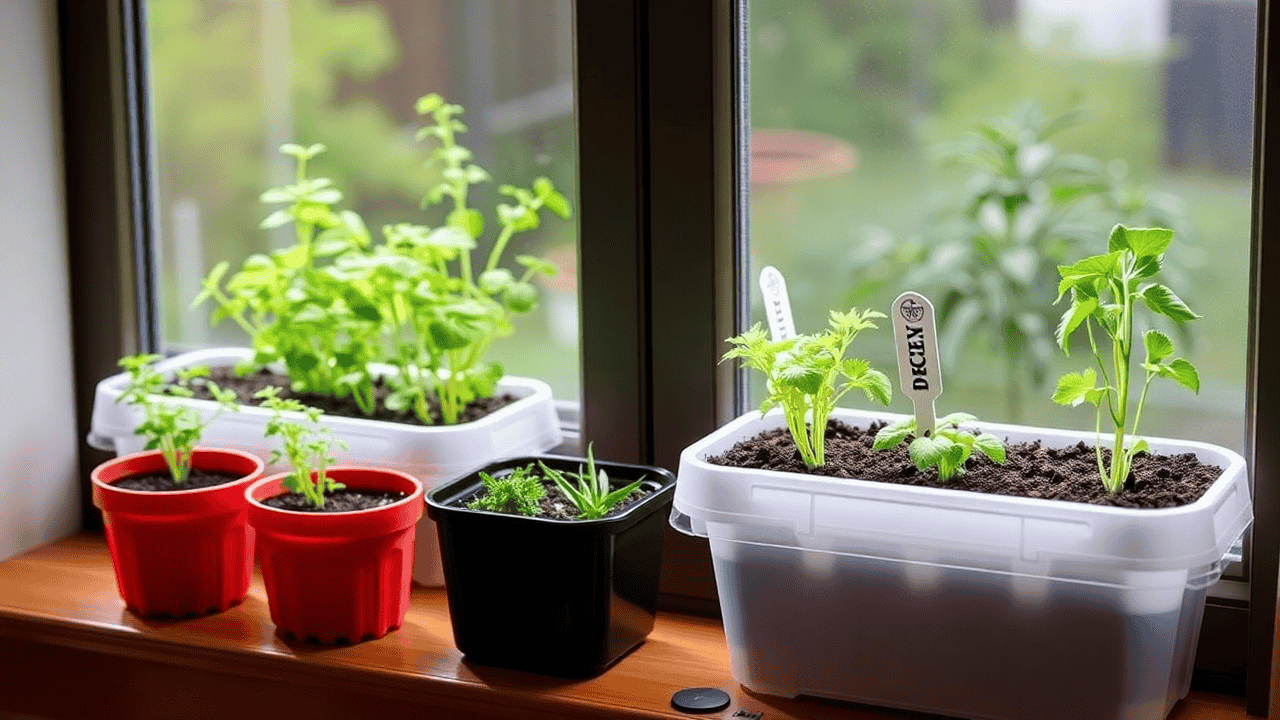
Expanding your begonia collection can be a rewarding experience. Begonias can be propagated through several methods, including seeds, stem cuttings, and tubers (for tuberous varieties). Each method has its specific techniques and considerations.
Propagation from Seeds: A Detailed Guide
Growing begonias from seed can be a cost-effective way to obtain many new plants, although it requires patience as seedlings are small and develop relatively slowly.
- Gathering Seeds (if applicable): If you are collecting seeds from your begonia plants, wait until the seed pods are dry and papery. Carefully open the pods and collect the very fine seeds. Be aware that seeds from hybrid begonias may not produce offspring that are true to the parent plant.
- Preparing the Seed Starting Mix: Use a fine-textured, sterile seed starting mix. This helps prevent fungal diseases like damping-off, which can affect young seedlings. Gently moisten the mix before sowing.
- Sowing the Seeds: Begonia seeds are very small and need light to germinate. Sow them thinly on the surface of the moist seed starting mix. Do not cover the seeds with soil or compost.
- Providing Light: Place the seed trays or pots in a bright location, but avoid direct sunlight, which can dry out the delicate seedlings. Fluorescent grow lights positioned a few inches above the surface can be very effective.
- Maintaining Humidity: Cover the seed trays or pots with a clear plastic dome or plastic wrap to create a humid environment. This helps keep the surface of the soil consistently moist, which is crucial for germination.
- Maintaining Temperature: The ideal germination temperature for most begonias is between 70-80°F (21-27°C). Use a heat mat underneath the seed trays to maintain a consistent warm temperature.
- Germination: Begonia seeds can take anywhere from 15 to 60 days to germinate, depending on the species and conditions. Be patient and keep the soil consistently moist.
- Ventilation: Once seedlings start to emerge, gradually increase ventilation by slightly opening the plastic cover. This helps acclimatize the seedlings to the air and reduces the risk of fungal growth.
- Transplanting Seedlings: When the seedlings have developed their first true leaves and are large enough to handle (usually a few weeks after germination), carefully transplant them into individual small pots or cells filled with a good-quality potting mix. Handle the delicate seedlings by their leaves to avoid damaging the stems.
- Growing On: Continue to grow the seedlings in bright, indirect light, keeping the soil consistently moist but not waterlogged. Fertilize with a diluted liquid fertilizer once they have established themselves in their new pots.
Propagation from Cuttings: A Practical Approach
Stem cuttings are a reliable and relatively quick way to propagate many types of begonias, producing new plants that are genetically identical to the parent.
- Selecting Healthy Stems: Choose healthy, non-flowering stems that are about 3-4 inches long. Avoid stems that are woody or have signs of pests or diseases.
- Preparing the Cuttings: Use a clean, sharp knife or pruning shears to make a clean cut just below a node (the point where leaves emerge from the stem). Remove the lower leaves from the cutting, leaving only a few leaves at the top. This reduces water loss and encourages root development.
- Using Rooting Hormone (Optional but Recommended): Dip the cut end of the stem cutting into a rooting hormone powder or liquid. This can help to speed up root formation and increase the success rate.
- Planting the Cuttings: Insert the cut end of the stem cutting into a small pot filled with a well-draining rooting medium, such as a mixture of peat moss and perlite, or a commercial rooting mix. Make a small hole in the medium with a pencil or dibber before inserting the cutting to avoid damaging the stem.
- Providing Humidity and Warmth: Place the potted cuttings in a warm, bright location, but out of direct sunlight. To maintain high humidity, you can cover the pots with a clear plastic bag or place them in a propagation dome. Ensure the plastic does not directly touch the leaves.
- Maintaining Moisture: Keep the rooting medium consistently moist but not waterlogged. Mist the cuttings regularly if they are not covered.
- Root Development: Roots typically begin to form within 2-4 weeks. You can gently tug on the cutting to feel for resistance, which indicates root development. You may also see new growth emerging from the top of the cutting.
- Transplanting: Once the cuttings have developed a good root system, they can be carefully transplanted into larger pots filled with a suitable potting mix.
Propagation from Tubers: A Specialized Method
Tuberous begonias can be propagated by dividing mature tubers or by taking stem cuttings from the developing shoots.
Dividing Tubers (Best Done in Early Spring)
- Select healthy, mature tubers that have multiple “eyes” or growth points.
- Use a clean, sharp knife to divide the tuber into sections, ensuring that each section has at least one viable eye.
- Allow the cut surfaces of the tuber pieces to air dry for a few hours to callus over. This helps prevent rot.
- Plant each tuber section in a small pot filled with moist potting mix, with the hollow side (where the eyes are located) facing upwards and just below the soil surface (about 1 inch deep).
- Place the pots in a warm, bright location (indirect light) and water sparingly until growth appears. Gradually increase watering as the shoots develop.
Planting Begonia Tubers (Starting Dormant Tubers):
- Begonia tubers are typically started indoors several weeks before the last expected frost in your area.
- Choose a well-draining potting mix.
- Place the tuber in a pot with the concave side (where the sprouts will emerge) facing upwards, about 1 inch below the soil surface.
- Water lightly initially, just enough to moisten the soil. Avoid overwatering at this stage, as it can cause the tuber to rot before roots develop.
- Place the pot in a warm (around 70°F/21°C), bright location with indirect light.
- Once sprouts appear and roots begin to develop, gradually increase watering.
- Harden off the young plants before transplanting them outdoors after all danger of frost has passed.
Initial Care for Newly Planted Tubers: Provide warmth and indirect light. Be patient, as it can take several weeks for sprouts to emerge. Avoid excessive watering until you see signs of growth.
Fertilizing for Vigorous Growth and Abundant Blooms
Providing the right nutrients through proper fertilization is essential for supporting the vigorous growth and abundant flowering that make begonias so beloved. Understanding their nutrient needs at different stages of their life cycle will allow you to tailor your feeding schedule for optimal results.
Understanding Begonia Nutrient Needs
Like all plants, begonias require a balance of essential nutrients for healthy development. The three macronutrients, represented by the N-P-K ratio on fertilizer labels, play crucial roles:
- Nitrogen (N): Primarily responsible for promoting healthy foliage growth, strong stems, and vibrant green leaves. It’s vital during the initial growth stages.
- Phosphorus (P): Plays a key role in root development, flower production, and overall plant vigor.1 It’s particularly important for encouraging abundant and colorful blooms.
- Potassium (K): Contributes to overall plant health, disease resistance, and the development of strong stems and vibrant flower colors.
Begonias also require micronutrients in smaller amounts, such as iron, manganese, and zinc, which contribute to various metabolic processes. A good-quality balanced fertilizer will typically contain these micronutrients as well.
Specific Fertilizer Recommendations and Application Rates:
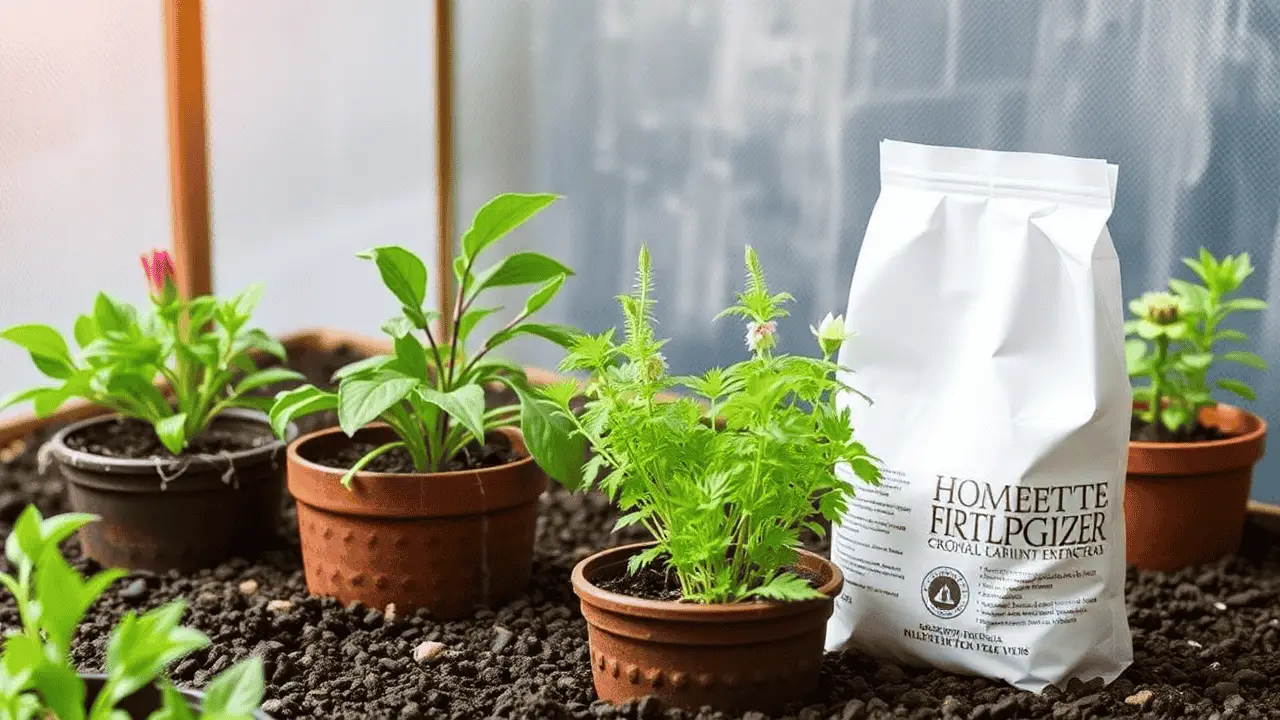
During the active growing season (spring through summer), begonias benefit from regular fertilization.2 A balanced liquid fertilizer with an N-P-K ratio such as 10-10-10 or 20-20-20 diluted to half the recommended strength is generally suitable for most types of begonias.3
For begonias that are primarily grown for their foliage, like Rex begonias, a slightly higher nitrogen ratio (e.g., 15-10-10) can be used sparingly to encourage lush leaf growth. However, be cautious with high nitrogen levels in flowering begonias, as it can lead to excessive foliage at the expense of blooms.
Application Rates: Fertilize every 2-4 weeks during the active growing season. Always water your begonias lightly before applying liquid fertilizer to prevent root burn. Follow the specific instructions on your chosen fertilizer product for dilution and application rates.
For slow-release granular fertilizers, apply them according to the product instructions, typically once every few months at the beginning of the growing season. Avoid over-fertilizing, as this can lead to salt buildup in the soil, which can damage the roots and cause leaf burn.4
Fertilizing During Different Growth Stages
A begonia’s nutrient needs will vary throughout its life cycle:
- Initial Growth (Seedlings and Young Plants): A balanced fertilizer applied at a diluted strength every 2-4 weeks will support healthy vegetative growth and root development.
- Flowering Stage: To encourage abundant blooms, ensure your fertilizer has an adequate amount of phosphorus. You can either use a balanced fertilizer regularly or switch to one with a slightly higher phosphorus content (e.g., 10-15-10) during this period.
- Dormancy (Tuberous Begonias): Once tuberous begonias begin to enter dormancy in the fall, gradually reduce and then cease fertilization.5 The plant is no longer actively growing and does not require additional nutrients during this resting phase.
- Overwintering (Non-Tuberous Begonias): For begonias that are overwintered indoors, reduce fertilization frequency significantly during the less active winter months, perhaps fertilizing only once every 1-2 months with a diluted balanced fertilizer. Resume regular feeding in the spring as new growth begins.
Why Too Much Nitrogen is Bad for Flowering
While nitrogen is essential for healthy foliage, an excess of nitrogen in flowering begonias can lead to an imbalance. The plant may focus its energy on producing lush, green leaves at the expense of developing flower buds. This can result in a plant with abundant foliage but few or no blooms. Therefore, it’s important to maintain a balanced approach to fertilization, especially as your begonias approach their flowering period, ensuring they receive adequate phosphorus to support bloom production.
For consistent and healthy growth, consider using a water-soluble balanced fertilizer diluted to quarter strength with every other watering during the active growing season. This provides a steady supply of nutrients without the risk of over-fertilizing. Observe your plants closely for signs of nutrient deficiencies (e.g., pale leaves, stunted growth) or excesses (e.g., brown leaf tips) and adjust your feeding accordingly.
Pest and Disease Management: Protecting Your Begonias
Maintaining healthy begonias involves vigilance in preventing and managing potential pest infestations and diseases. Early detection and appropriate action are key to keeping your plants thriving.
Common Begonia Pests and Effective Control Methods
Several common pests can affect begonias. Here’s how to identify and control them:
Aphids: These small, soft-bodied insects are often found in clusters on new growth, undersides of leaves, and flower buds. They suck plant sap, causing distorted leaves, stunted growth, and a sticky residue called honeydew, which can attract sooty mold.
- Control:
- Physical Removal: Gently wipe or wash aphids off plants with a strong stream of water.
- Insecticidal Soap: Spray affected areas thoroughly, ensuring contact with the aphids. Repeat applications may be necessary every 7-10 days.
- Neem Oil: This natural insecticide disrupts insect growth and can smother aphids. Mix according to product instructions and apply to all plant surfaces, especially undersides of leaves.
- Beneficial Insects: Introduce natural predators like ladybugs or lacewings, which feed on aphids.
- Control:
Spider Mites: These tiny, spider-like pests thrive in dry conditions and feed on plant sap, causing stippling (small yellow or white spots) on leaves. Heavy infestations can lead to webbing on the undersides of leaves and eventual leaf drop.
- Control:
- Increase Humidity: Spider mites dislike humid environments. Increase humidity around your begonias by using a humidifier or placing them on a pebble tray with water.
- Water Spray: Regularly spray the undersides of leaves with a strong stream of water to dislodge mites.
- Insecticidal Soap: Effective against spider mites, ensure thorough coverage, especially on the undersides of leaves. Repeat applications are usually needed.
- Neem Oil: Can also be effective against spider mites.
- Miticides: For severe infestations, consider using a specific miticide, following product instructions carefully.
- Control:
Mealybugs: These are small, white, cottony-looking insects that cluster in leaf axils, on stems, and undersides of leaves. They also suck plant sap, causing yellowing leaves, stunted growth, and honeydew production.
- Control:
- Manual Removal: For small infestations, dab mealybugs with a cotton swab dipped in rubbing alcohol.
- Insecticidal Soap: Can be effective if applied directly to the mealybugs. Repeat applications may be necessary.
- Neem Oil: Can help control mealybug populations.
- Systemic Insecticides: For persistent or heavy infestations, consider using a systemic insecticide according to product instructions.
- Control:
Common Begonia Diseases and Prevention Strategies
Begonias can be susceptible to several fungal diseases, especially in humid conditions or with poor air circulation:
Powdery Mildew: This fungal disease appears as a white, powdery coating on the leaves and stems. It thrives in humid conditions with poor air circulation.
- Prevention:
- Improve Air Circulation: Ensure good airflow around your begonias by spacing plants adequately and avoiding overcrowding.
- Avoid Overhead Watering: Water at the base of the plant to keep foliage dry.
- Treatment:
- Prune Affected Parts: Remove and discard any heavily infected leaves or stems.
- Fungicides: Apply fungicides specifically labeled for powdery mildew, such as sulfur-based fungicides, neem oil, or commercially available fungicides. Follow product instructions carefully.
- Prevention:
Root Rot: This is a serious condition caused by overly wet soil and poor drainage, leading to oxygen deprivation and fungal growth that attacks the roots. Symptoms include wilting (even when the soil is moist), yellowing or browning leaves, and a mushy, dark root system.
- Prevention:
- Ensure Well-Draining Soil: Use appropriate potting mixes and ensure pots have drainage holes.
- Water Properly: Allow the top inch of soil to dry out between waterings. Avoid overwatering.
- Treatment:
- Early Detection: If detected early, you might be able to save the plant by repotting it into fresh, well-draining soil and removing any affected roots.
- Severe Cases: In severe cases of root rot, the plant may not be salvageable. Discard the infected plant and soil to prevent the spread of disease.
- Prevention:
Botrytis Blight (Gray Mold): This fungal disease appears as fuzzy gray or brown mold on flowers, leaves, and stems, especially in cool, humid conditions with poor air circulation.
- Prevention:
- Improve Air Circulation: Ensure good airflow around plants.
- Avoid Wetting Flowers and Foliage: Water at the base of the plant.
- Remove Dead or Dying Plant Material: Promptly remove any spent flowers or yellowing leaves, as these can be entry points for the fungus.
- Treatment:
- Prune Affected Parts: Remove and discard any infected plant parts immediately.
- Copper-Based Sprays or Fungicides: Apply fungicides specifically labeled for Botrytis blight, following product instructions carefully.
- Prevention:
(Integrated Pest Management (IPM): A Holistic Approach
Integrated Pest Management (IPM) is a strategy that focuses on long-term prevention of pests and diseases through a combination of techniques, minimizing the use of chemical pesticides. Key principles of IPM include:
- Prevention: Creating a healthy growing environment is the first line of defense. This includes providing proper soil, light, watering, and air circulation to keep plants strong and less susceptible to problems.
- Monitoring: Regularly inspect your begonias for any signs of pests or diseases. Early detection allows for less drastic intervention.
- Identification: Accurately identify the pest or disease to choose the most effective and targeted control methods.
- Cultural Controls: Implement practices that discourage pests and diseases, such as proper watering, good sanitation (removing fallen leaves and debris), and choosing disease-resistant varieties when available.
- Biological Controls: Introduce natural enemies of pests, such as ladybugs for aphids or predatory mites for spider mites.
- Mechanical Controls: Physically remove pests by hand, prune affected plant parts, or use barriers to protect plants.
- Chemical Controls (as a last resort): If other methods are insufficient, use targeted and less toxic pesticides like insecticidal soap or neem oil first, following product instructions carefully. Broad-spectrum chemical pesticides should be used sparingly and only when necessary, as they can harm beneficial insects and the environment.
By adopting an IPM approach, you can maintain healthy and thriving begonias while minimizing the reliance on harsh chemicals. Remember that providing optimal growing conditions is the most effective way to prevent many pest and disease problems in the first place.
Common Begonia Growing Problems
Even with careful attention, you might encounter some common issues while growing begonias. Identifying the symptoms and understanding their potential causes is the first step towards effective solutions.
Detailed Solutions to Common Issues
Yellowing Leaves: This is a common sign of stress in begonias and can be caused by several factors:
- Overwatering: This is the most frequent culprit. Soggy soil deprives roots of oxygen, leading to yellowing, often starting with the lower leaves. The leaves may also feel soft or mushy. Solution: Allow the top inch of soil to dry out completely before watering again. Ensure your pot has good drainage. If root rot is suspected (foul smell from soil, mushy roots), repot the begonia in fresh, well-draining soil, removing any rotted roots.
- Underwatering: While begonias prefer consistent moisture, allowing the soil to dry out excessively can also cause stress and yellowing, often accompanied by crispy leaf edges or tips. Solution: Water thoroughly when the top inch of soil feels dry. Adjust your watering schedule to prevent prolonged dryness.
- Nutrient Deficiencies: A lack of essential nutrients, particularly nitrogen, can lead to general yellowing, often starting with older leaves. Solution: Fertilize your begonia regularly during the growing season with a balanced liquid fertilizer diluted to the appropriate strength. Consider a soil test if the issue persists.
- Inadequate Light: While begonias prefer indirect light, too little light can cause yellowing as the plant struggles to photosynthesize efficiently. Solution: Move your begonia to a brighter location that still provides indirect light.
- Pest Infestation: Sap-sucking pests like spider mites or aphids can cause yellowing as they deplete the plant’s resources. Solution: Inspect your plant carefully for pests and implement appropriate control measures as described in the Pest and Disease Management section.
- Natural Aging: Older leaves may naturally yellow and drop as part of the plant’s growth cycle. If only a few older leaves are affected and the rest of the plant looks healthy, this is likely normal.
Lack of Blooms: If your begonia is producing healthy foliage but no flowers, consider these potential causes:
- Insufficient Light: Begonias need adequate, bright, indirect light to flower properly. Too much shade can hinder bloom production. Solution: Move your begonia to a location with more bright, indirect light (aim for at least 4-6 hours).
- Nutrient Imbalance: Too much nitrogen in your fertilizer can encourage leafy growth at the expense of flowers. Solution: Switch to a fertilizer with a higher phosphorus content (the middle number in the N-P-K ratio) to encourage blooming.
- Overwatering or Underwatering: Inconsistent watering can stress the plant and prevent flowering. Solution: Maintain a consistent watering schedule, allowing the top inch of soil to dry out between waterings.
- Immature Plant: Young or recently propagated begonias may need time to mature before they start flowering. Solution: Be patient and continue providing proper care.
- Temperature Stress: Extreme temperature fluctuations can inhibit flowering. Solution: Maintain a stable temperature within the ideal range for begonias (60-75°F or 15-24°C).
- Lack of Dormancy (Tuberous Begonias): Tuberous begonias require a proper dormant period to rest and rejuvenate for the next blooming season. Solution: Ensure your tuberous begonias go through a cool, dry dormancy in the winter.
- Skipped Deadheading: Allowing spent flowers to remain on the plant can sometimes reduce further blooming as the plant focuses on seed production. Solution: Regularly deadhead (remove) faded flowers to encourage more blooms.8
Leaf Drop: Begonias may drop leaves as a response to stress:
- Sudden Changes in Environment: Abrupt changes in light, temperature, or humidity can shock the plant and cause leaf drop. Solution: Acclimate your begonia gradually to new environments.
- Overwatering or Underwatering: Both can lead to root stress and subsequent leaf drop. Solution: Follow proper watering guidelines, allowing the top inch of soil to dry out between waterings.
- Low Humidity: Dry air, especially indoors during winter, can cause leaf drop, particularly in humidity-loving varieties like Rex begonias. Solution: Increase humidity around your begonia using a humidifier, pebble tray, or by grouping plants.
- Temperature Extremes: Exposure to very cold drafts or excessive heat can cause leaf drop. Solution: Keep your begonia in a stable temperature environment away from drafts and direct heat sources.
- Pest Infestation: Heavy infestations of sap-sucking pests can weaken the plant and lead to leaf drop. Solution: Inspect for pests and implement appropriate control measures.
- Natural Dormancy (Tuberous Begonias): As tuberous begonias enter dormancy in the fall, their leaves will naturally turn yellow and drop. Solution: This is a normal part of their life cycle. Reduce watering and prepare the tuber for winter storage.
Stunted Growth: If your begonia isn’t growing as expected, it could be due to:
- Insufficient Light: Lack of adequate light can lead to weak, leggy growth and overall stunted development. Solution: Move your begonia to a brighter location with indirect light.
- Nutrient Deficiencies: A lack of essential nutrients can limit growth. Solution: Fertilize your begonia regularly during the growing season with a balanced fertilizer.
- Rootbound: If your begonia has been in the same pot for a long time, its roots may have filled the container, restricting further growth. Solution: Repot your begonia into a slightly larger pot with fresh potting mix.
- Overwatering or Poor Drainage: Waterlogged soil can damage roots and hinder growth. Solution: Ensure well-draining soil and proper watering practices.
- Pest Infestation or Disease: Pests and diseases can weaken the plant and impede growth. Solution: Inspect for and treat any pest or disease issues promptly.
- Incorrect Soil pH: If the soil pH is outside the ideal range (5.5-6.5), the plant may not be able to absorb nutrients effectively, leading to stunted growth. Solution: Test your soil pH and amend it if necessary.
Consider including photographs within each of these troubleshooting sections to visually illustrate the symptoms of yellowing leaves, lack of blooms, leaf drop, and stunted growth. This will make it easier for readers to identify the problems they are encountering with their begonias. For example, show photos of overwatered leaves versus underwatered leaves, a begonia with healthy blooms versus one with only foliage, and examples of common pests and diseases.
Frequently Asked Questions
Q. How often should I water begonias?
Water your begonias when the top inch of soil feels dry to the touch. The frequency will vary depending on environmental factors like temperature, humidity, and light, as well as the type of begonia and the size of the pot. During warmer, sunnier periods, you may need to water more frequently than during cooler, cloudier times. Always check the soil moisture before watering to avoid overwatering, which is a primary cause of root rot. Ensure good drainage to prevent water from sitting at the bottom of the pot.
Q. Can begonias survive winter?
The winter hardiness of begonias depends on the specific type.
- Tuberous begonias are not frost-hardy and will go dormant in the fall. After the foliage dies back, the tubers should be carefully dug up, cleaned, and stored in a cool, dry, and dark place (around 40-50°F or 4-10°C) over the winter. They can be replanted in the spring.
- Fibrous and rhizomatous begonias are also generally not frost-tolerant. In regions with mild winters, some may survive with protection, but in areas with freezing temperatures, it’s best to bring potted plants indoors to a bright, indirect light location. Reduce watering during the winter months as their growth slows.
- Rex begonias are typically grown indoors year-round and need consistent warmth and humidity.
Q. Do begonias need full sun?
No, most begonias prefer partial shade or bright, indirect light. Direct, intense sunlight, especially during the hottest part of the day, can scorch their leaves and damage the flowers. The ideal location would receive morning sun and afternoon shade, or consistent filtered light throughout the day. Some specific varieties, like wax begonias (a type of fibrous begonia) with bronze foliage, can tolerate more sun, but even they will benefit from some protection during the hottest hours in very sunny climates.
Q. Why are my begonia leaves turning yellow?
Yellowing leaves are a common sign of stress and can have several causes:
- Overwatering: This is a frequent cause, leading to root rot. The soil will feel consistently wet. Allow the soil to dry out between waterings.
- Underwatering: If the soil becomes excessively dry, the leaves can also turn yellow and may have crispy edges. Water thoroughly when the top inch of soil is dry.
- Nutrient Deficiencies: A lack of essential nutrients, particularly nitrogen, can cause older leaves to yellow. Fertilize regularly during the growing season.
- Inadequate Light: While they don’t need full sun, too little light can stress the plant and lead to yellowing. Move to a brighter, indirect light location.
- Pests or Diseases: Infestations or fungal issues can also cause leaf discoloration. Inspect your plant for signs of pests or diseases and treat accordingly.
- Natural Aging: Older leaves will eventually yellow and drop as part of the plant’s life cycle.
Q. How do I propagate begonias from leaves?
Some types of begonias, particularly Rex and some rhizomatous varieties, can be propagated from leaf cuttings.
- Select a healthy, mature leaf.
- Cut the leaf (you can cut it into wedges, ensuring each wedge has a main vein, or use the entire leaf with some cuts on the veins).
- Place the leaf or leaf sections on a moist rooting medium (like a mix of peat moss and perlite) with the cut veins in contact with the soil.
- Maintain high humidity by covering the container with plastic wrap or a propagation dome.
- Place in a warm, bright (indirect light) location.
- Roots and small plantlets should begin to form within a few weeks to a couple of months. Once they are established, they can be carefully transplanted into individual pots.
Q. Why are the edges of my begonia leaves turning brown and crispy?
Crispy leaf edges are often a sign of:
- Low Humidity: Dry air can cause the leaf margins to dry out and become crispy, especially in indoor environments with heating or air conditioning. Increase humidity around the plant.
- Underwatering: If the soil dries out too much between waterings, the leaf edges can become dry and crispy. Maintain consistent soil moisture.
- Fertilizer Burn: Over-fertilizing can lead to a buildup of salts in the soil, which can damage the roots and cause crispy leaf edges. Ensure you are diluting your fertilizer correctly and avoid over-feeding.
- Tap Water Issues: Some begonias can be sensitive to chemicals in tap water. Try using rainwater or distilled water.
Q. What are some begonia varieties that do well in shaded areas?
Many begonia varieties thrive in shade or partial shade, including:
- Tuberous begonias (especially those with large, showy flowers)
- Most fibrous begonias (wax begonias, dragon wing begonias)
- Many rhizomatous begonias (known for their interesting foliage)
- Rex begonias (prized for their shade-loving foliage)
When selecting begonias for shade, look for varieties specifically labeled as shade-tolerant for the best results.
Conclusion
The journey of nurturing begonias, from selecting the right variety to witnessing their vibrant blooms and intricate foliage unfold, offers a unique and deeply satisfying experience for any gardener. The beauty they bring to both indoor and outdoor spaces is a testament to the care and attention you provide.
In summary, the key to successfully growing begonias lies in understanding and consistently providing their essential needs: well-draining, rich soil; the right balance of partial shade; consistent moisture without waterlogging; regular, balanced fertilization; and vigilant protection against pests and diseases. Recognizing the specific requirements of different begonia types, from the tuberous to the rhizomatous, will further enhance your success.
Remember that gardening is a continuous learning process. Observe your begonias closely, paying attention to their growth patterns and any changes in their appearance. Adapt your care routine based on their specific responses and the environmental conditions in your area.
With dedication and a mindful approach, you can cultivate healthy and flourishing begonias that will reward you with their enduring beauty and vibrant presence season after season. Enjoy the process and the delightful results of your efforts!
Recommended Begonia Growing Essentials
- Premium Organic Potting Mix
- Balanced Liquid Fertilizer
- Neem Oil for Pest Control
- Humidity Tray for Indoor Plants
I’m John Doe, a Certified Master Gardener with over 20 years of hands-on experience in cultivating healthy and vibrant gardens. My expertise spans organic gardening, soil science, and sustainable pest control. I’ve worked extensively with community gardens and have a deep passion for sharing my knowledge to help others succeed in their gardening endeavors.