The Best Plant-Based Cleaners for a Healthy Home

Picture this: You’ve spent a sunny afternoon nurturing your garden, your hands still earthy, and your heart content. But as you step inside, there it is—the muddy floors, messy counters, and smudged surfaces waiting for your attention. You grab the usual cleaner, and a thought hits you: are those harsh chemicals the best choice for your home and the environment you care for so much?
This is where plant-based cleaners truly shine. These eco-friendly alternatives are tough on grime but gentle on your skin, safe for kids and pets, and kind to the planet. Made from natural ingredients like lemon, vinegar, and essential oils, they tackle dirt and bacteria without leaving harmful residues. With more of us embracing sustainable living, the shift to plant-based cleaning products feels like a small yet impactful step toward a healthier home and planet.
Many people now want to clean their homes in a sustainable and eco-friendly way. The best plant-based cleaners help keep your home spotless while also ensuring you make environmentally conscious choices. These products use natural ingredients and avoid harmful chemicals, making them a safer option for both your health and the planet.
In this blog post, we will explore the best plant-based cleaners available on the market today, highlighting their benefits and why they should be your go-to for a cleaner, greener home.
Introduction to Plant-Based Cleaners
The products we use every day play a huge role in maintaining a clean and healthy environment. Traditional cleaners often contain harsh chemicals that can harm not only our health but also the planet. That’s where plant-based cleaners step in—natural, eco-friendly alternatives designed to clean effectively without the side effects of toxins.
Plant-based cleaners are crafted from natural ingredients, such as essential oils, vinegar, and plant-based surfactants. These products are biodegradable, meaning they break down quickly and safely, minimizing their environmental impact. They’re also free from synthetic fragrances, dyes, and harmful chemicals, making them a safer choice for homes with children, pets, or anyone sensitive to strong chemical odors.
Not only are plant-based cleaners a responsible choice for the planet, but they also align perfectly with a sustainable lifestyle. Switching to natural cleaning solutions isn’t just a trend—it’s part of a growing movement to protect our health, reduce pollution, and care for the world we live in.
Why Choose Plant-Based Cleaners?
Switching to plant-based cleaners is more than just changing your cleaning routine—it’s about making mindful choices for your home, your health, and the planet.
Environmental Advantages
Plant-based cleaners are a win for the environment. Unlike traditional cleaners filled with harsh chemicals, these eco-friendly alternatives break down naturally, minimizing harm to ecosystems. They’re often made with biodegradable ingredients, which means they leave less impact on soil and water. Many brands also focus on sustainable sourcing, using responsibly harvested ingredients like citrus and essential oils. By choosing these products, you’re reducing chemical waste and supporting a greener future.
Health Benefits
Traditional cleaners can release strong fumes and irritate the skin, eyes, or respiratory system. This is especially concerning for families with kids and pets. Plant-based cleaners, on the other hand, are made with gentler ingredients that are safe for everyone in your household. Plus, they often include natural scents from essential oils, which leave your home smelling fresh without synthetic chemicals. No toxic residues—just clean surfaces and peace of mind.
Transition Made Easy
Are you worried that natural products might not be effective? Think again! Plant-based cleaners have come a long way, offering excellent results while staying kind to your health and the environment. Start small—replace your all-purpose cleaner or floor cleaner with a plant-based version. Gradually, you’ll see that a sparkling clean home doesn’t have to rely on harsh chemicals.
Key Ingredients to Look For in Plant-Based Cleaners
When choosing plant-based cleaners, it’s important to know which natural ingredients make them effective. Here’s a quick guide to the common and powerful components you’ll want to look for:
Vinegar: A Cleaning Superstar!
Vinegar is a natural cleaning powerhouse with multiple benefits for your home. Its high acidity gives it the ability to cut through grime, remove mineral deposits, and eliminate unpleasant odors. Let’s explore its incredible uses:
- Natural Disinfectant: Vinegar’s efficacy as a disinfectant has been studied, with research indicating its ability to kill some bacteria and viruses. (Rutala & Weber, 1997). Additionally, studies such as those published in the Journal of Food Protection have explored vinegar’s potential in disinfecting surfaces. (Lineback & Sebranek, 1991). While vinegar may not replace heavy-duty disinfectants for certain applications, it serves as an excellent natural option for everyday surface cleaning.
- Odor Neutralizer: Vinegar doesn’t mask odors; it neutralizes them by breaking down odor-causing molecules. Whether it’s a lingering kitchen smell or a musty room, vinegar works wonders to refresh the air.
- Grime Remover: The acidity of vinegar is highly effective at cutting through grease and grime, making it ideal for stovetops, counters, and even tough kitchen messes.
- Mineral Deposit Buster: For hard water stains on faucets or showerheads, vinegar dissolves stubborn mineral deposits like lime or calcium, restoring their shine.
- Glass Cleaning Hero: A solution of equal parts vinegar and water makes an excellent streak-free cleaner for windows, mirrors, and glass tabletops, leaving surfaces sparkling clean.
How to Use:
- All-Purpose Spray: Mix equal parts of white vinegar and water in a spray bottle. Shake well and use on surfaces like countertops, glass, or tiles. Wipe clean with a microfiber cloth.
- For Hard Water Stains: Apply white vinegar directly to the affected area. Let it sit for 10–15 minutes, scrub gently, and rinse thoroughly with water.
- Deodorizer: Place a bowl of vinegar in smelly areas, such as the refrigerator or a musty room. Let it sit for a few hours to absorb and neutralize the odors.
Vinegar is versatile and eco-friendly, but it’s always good to use it correctly. Avoid using vinegar on delicate surfaces like granite or marble, as its acidity could cause damage. Always test on a small area first if you’re unsure.
Lemon Juice: A Natural Degreaser and Stain Fighter
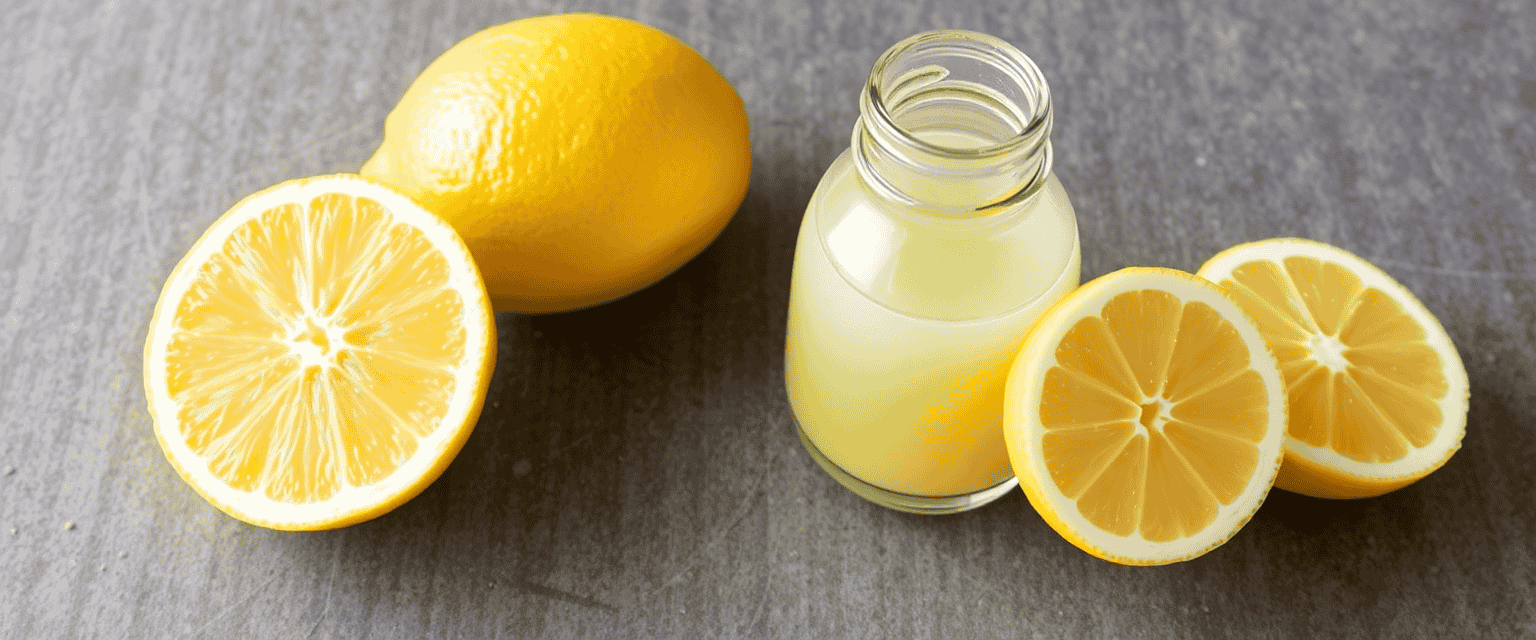
Lemon juice is a fantastic natural cleaner with multiple benefits. Its high acidity makes it a powerful ally in breaking down grease and tackling stubborn stains. The citric acid in lemon juice works by cutting through oily residues and dissolving dirt, making surfaces shine.
Beyond its cleaning power, lemon juice leaves a refreshing citrus scent that invigorates any space. It’s not just about getting the job done; it’s about leaving your home smelling naturally clean and fresh.
Here are some practical uses for lemon juice as a cleaner:
- Degreaser: Use it on greasy countertops or stovetops to cut through built-up grime effortlessly. Studies have shown that lemon extracts possess antibacterial characteristics, highlighting their ability to inhibit harmful microbes. (Sawai, Shiga, Kojima, & Igarashi, 2005). Additionally, the degreasing power of citric acid has been recognized in food science resources for its effectiveness in breaking down grease and oils. (Food Science Principles).
- Stain Remover: Apply it to discolored areas on cutting boards, sinks, or even fabric stains (test on a small patch first).
- Brightener: Add it to your cleaning routine for surfaces like faucets or tiles to give them an extra sparkle.
How to Use:
- Degreaser: Mix equal parts of lemon juice and water in a spray bottle. Shake well, spray onto greasy surfaces like stovetops or countertops, and wipe clean with a cloth.
- Stain Remover: Squeeze fresh lemon juice onto cutting boards, sinks, or tough fabric stains. Let it sit for 5–10 minutes, scrub gently, and rinse off thoroughly. Always test on a small, hidden area for fabrics to ensure there’s no discoloration.
- Brightener: Apply lemon juice directly to surfaces like tiles or faucets to enhance their shine. Let it sit for a few minutes, then buff it with a soft cloth.
Lemon juice is eco-friendly and effective, making it an essential ingredient for natural cleaning solutions.
Tea Tree Oil: Nature’s Disinfectant
Tea tree oil is a natural powerhouse, known for its strong antiseptic and antifungal properties. This essential oil is highly effective at disinfecting surfaces and combating mold and mildew, making it a must-have in any plant-based cleaning arsenal.
- Tea Tree Oil as an Antiseptic/Antifungal Tea tree oil is another excellent natural cleaner, well-known for its antimicrobial and antifungal properties. Reviews in clinical microbiology highlight its effectiveness against various pathogens. (Carson, Hammer, & Riley, 2006). Additionally, research has shown that tea tree oil exhibits antifungal activity against pathogenic yeast species, further solidifying its role as a powerful cleaning agent. (Hammer, Carson, & Riley, 2003).
- Fights Mold and Mildew: A few drops of tea tree oil mixed with water can be used to tackle mold and mildew in damp areas like showers and basements. Its natural antifungal properties help prevent regrowth, keeping these spaces clean and fresh.
How to Use:
- For Mold and Mildew: Mix 1 teaspoon of tea tree oil with 1 cup of water in a spray bottle. Shake well and spray on affected areas. Let it sit for a few minutes before scrubbing it with a brush or wiping it with a cloth.
- Disinfectant Spray: Add 1 teaspoon of tea tree oil to 1 cup of water and use it to sanitize surfaces like countertops or door handles. Wipe clean after spraying.
- Preventing Mold: Spray the tea tree oil solution on areas prone to mold (such as bathroom corners), and leave it to dry.
Tea tree oil is not only effective but also leaves a fresh, earthy scent behind. Remember to use it sparingly—a little goes a long way—and always store it in a cool, dark place to maintain its potency.
Castile Soap: A Gentle and Effective All-Rounder
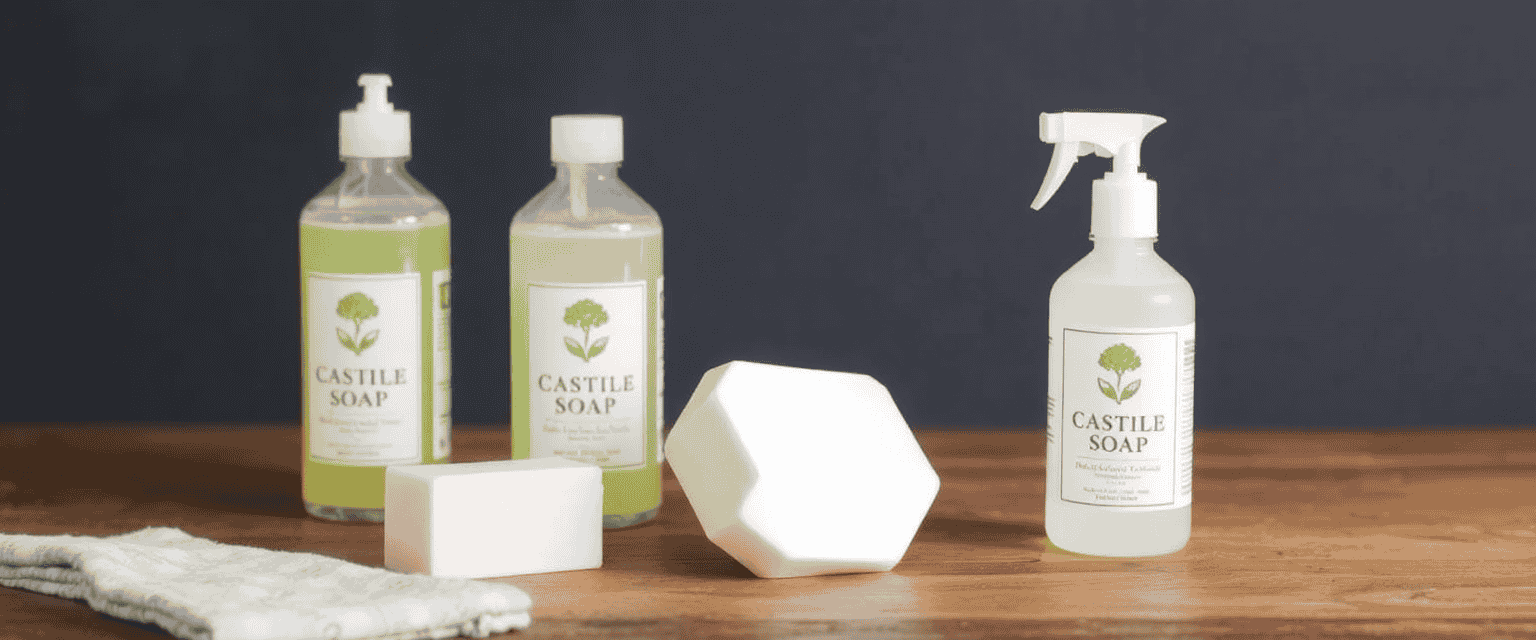
Castile soap is a natural, plant-based soap made from vegetable oils such as olive, coconut, or hemp oil. Its mild yet effective cleaning properties make it a go-to choice for a variety of cleaning tasks. Here’s why it stands out:
- Gentle Yet Powerful: Castile soap cleans without harsh chemicals, making it safe for sensitive skin and eco-friendly.
- Highly Versatile: It’s not just for cleaning surfaces—you can use it for dishes, laundry, and even personal care like handwashing or as a body wash.
How to Use:
- For Surfaces: Mix 1 tablespoon of castile soap with 2 cups of water in a spray bottle. Shake well and spray onto surfaces. Wipe clean with a cloth.
- For Dishes: Add a few drops to your dishwater for effective grease-cutting power.
- For Laundry: Use about 1/4 cup of castile soap per load as a natural detergent alternative.
- For Floors: Mix 2–3 tablespoons of castile soap with a gallon of warm water. Mop as usual for a clean, chemical-free finish.
Castile soap is a wonderful addition to any natural cleaning routine, offering a safe and sustainable way to keep your home spotless.
Essential oils: Not Just for Fragrance!
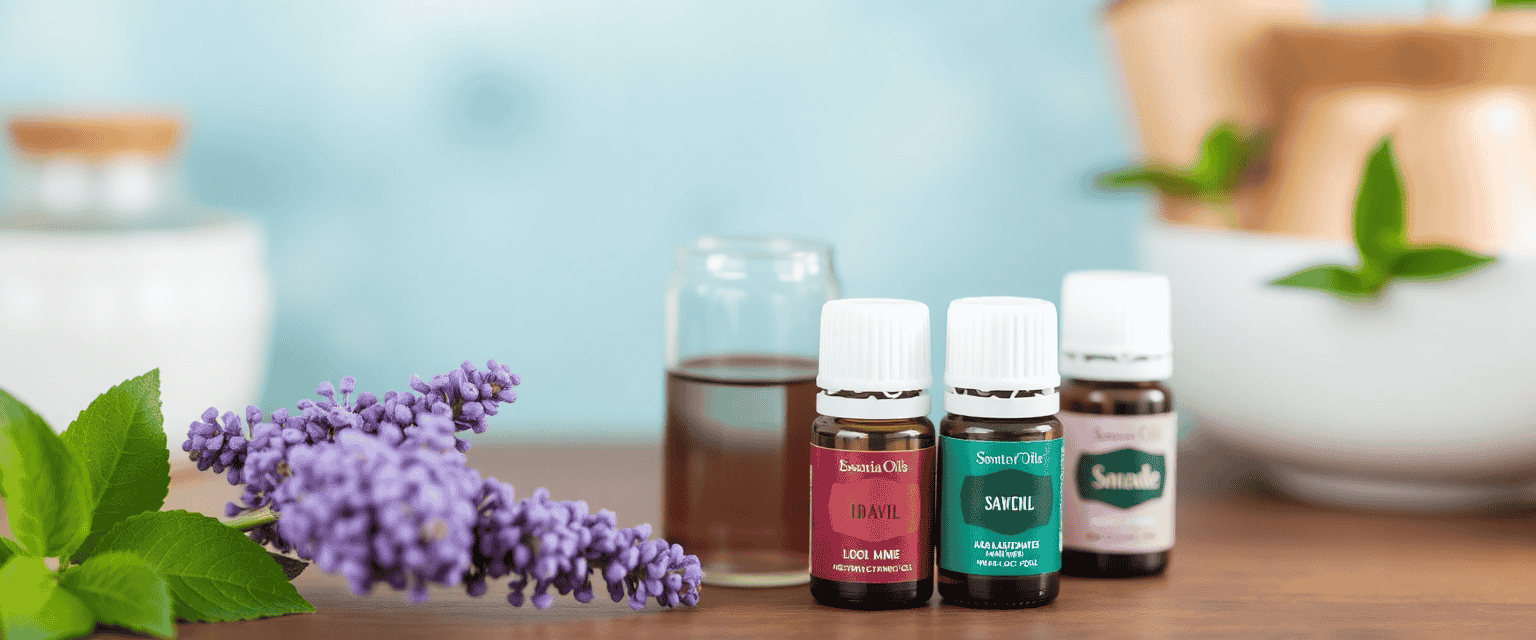
Essential oils like lavender, eucalyptus, and peppermint are more than just pleasant scents—they pack antibacterial properties that enhance cleaning while leaving a refreshing, natural aroma in your home. Here’s how they work and how to use them effectively:
- Lavender: Known for its calming scent and antibacterial qualities, lavender oil is perfect for creating a soothing yet germ-free environment.
- Eucalyptus: This oil has antiseptic and decongestant properties, making it great for disinfecting and tackling tough odors.
- Peppermint: A natural antibacterial and antifungal, peppermint oil not only cleans effectively but also repels pests like ants and spiders.
How to Use:
- All-Purpose Spray: Mix 1 cup of water with 10–15 drops of your chosen essential oil in a spray bottle. Shake well and use it to clean countertops, tables, and other surfaces.
- Floor Cleaner: Add 5–10 drops of essential oil to a bucket of warm water. Mop floors for a clean and invigorating scent.
- Deodorizer: Add a few drops of essential oil to a cloth or cotton ball and place it in closets or drawers to keep them smelling fresh naturally.
- Laundry Boost: Add 3–5 drops of essential oil to your washing machine for an extra fresh-smelling load.
Essential oils are versatile and elevate your natural cleaning game while supporting a healthy, eco-friendly home.
Baking Soda: A Gentle Yet Powerful Cleaner
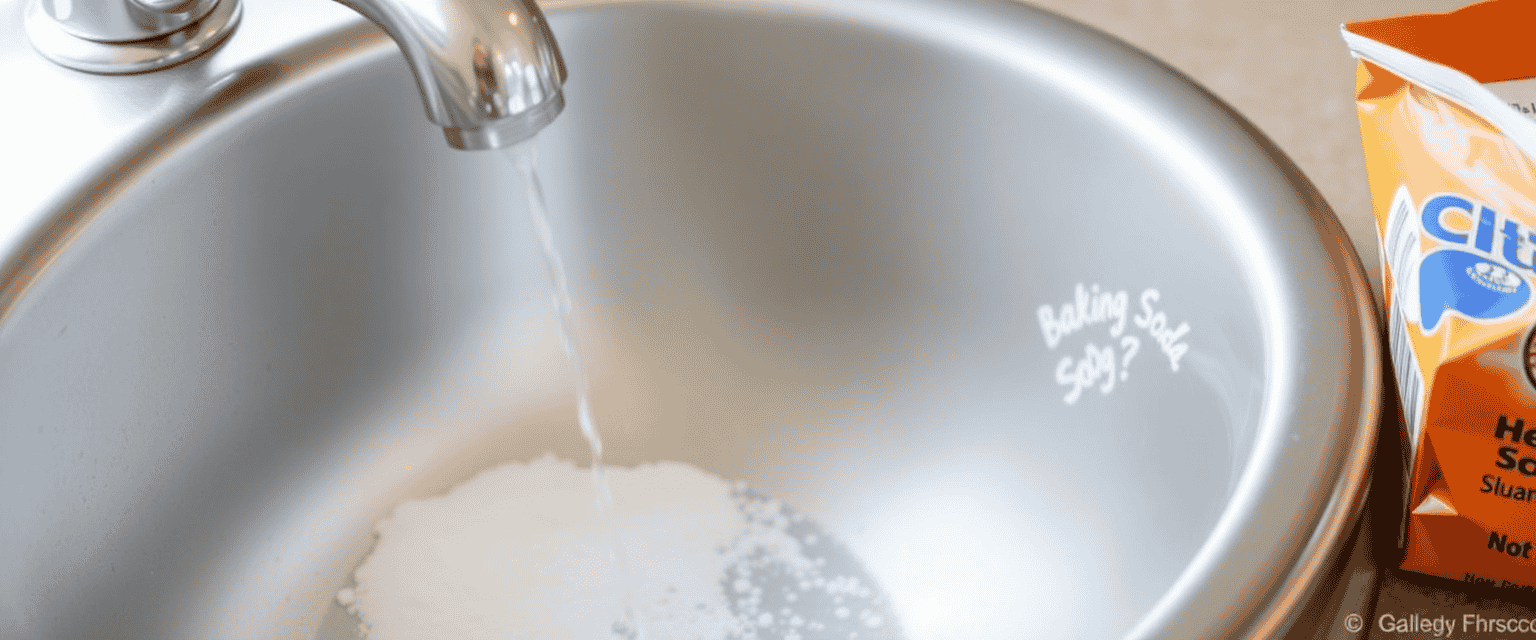
Baking soda is one of the most versatile natural cleaners you can use. Its mild abrasive texture helps scrub away stubborn stains without scratching surfaces, and its odor-neutralizing properties make it perfect for freshening up your home.
As a Cleaning Agent: Baking soda’s cleaning power is supported by its mildly abrasive nature and its pH-altering capabilities, which help to break down stains and odors. (General Chemistry Principles). While there may be limited formal studies specifically focusing on baking soda’s cleaning properties, its use has been widely endorsed by trusted sources like Arm & Hammer, a leading manufacturer of baking soda. Referencing their resources can provide additional confidence in baking soda’s effectiveness.
How to Use:
- Scrubbing Paste: Mix 1/2 cup of baking soda with water to form a thick paste. Apply to sinks, tubs, or ovens, and scrub with a sponge or brush. Rinse thoroughly with water.
- Odor Neutralizer: Sprinkle baking soda on carpets, mattresses, or inside shoes. Let it sit for 15–30 minutes to absorb odors, then vacuum it up.
- Drain Cleaner: Pour 1/2 cup of baking soda down the drain, followed by 1/2 cup of vinegar. Let it fizz for a few minutes, then flush with hot water. This works wonders on clogged or smelly drains.
Baking soda’s non-toxic and eco-friendly nature makes it an essential ingredient in any natural cleaning routine. It’s simple, effective, and safe to use around your home.
Ingredients to Avoid
While plant-based cleaners are a healthier choice, it’s still important to be aware of potentially harmful ingredients that may sneak into “natural” products. Avoid:
Synthetic Fragrances: A Hidden Irritant
Synthetic fragrances, often found in cleaning products, air fresheners, and personal care items, may contain chemicals that can trigger allergies or irritate the respiratory system. These fragrances can exacerbate symptoms for individuals with sensitivities or conditions like asthma, making them a less-than-ideal choice for a healthy home environment.
What to Look For Instead: Choose products that use natural alternatives, such as essential oils, for scent. Essential oils not only provide a pleasant, natural fragrance but often come with added benefits like antibacterial or antifungal properties, depending on the oil used. Making this switch helps reduce exposure to potentially harmful chemicals and creates a fresher, safer space.
Phthalates: Hidden Dangers in Fragrances
Phthalates, often used in synthetic fragrances, are chemicals that can disrupt hormone function. These endocrine-disrupting compounds have been linked to various health concerns, including reproductive issues and developmental effects. They are commonly found in cleaning products, air fresheners, and even some personal care items.
What to Look For Instead: Choose products labeled “phthalate-free” or those using natural fragrances derived from essential oils. These options not only avoid harmful chemicals but often provide added benefits, such as antibacterial or calming properties, depending on the essential oil used.
Parabens: Better to Avoid
Parabens are synthetic preservatives commonly used in cleaning products and cosmetics to extend shelf life and prevent the growth of bacteria or mold. However, they have been linked to potential health risks, as studies suggest they may disrupt hormone function by mimicking estrogen. This disruption has raised concerns about their possible connection to reproductive issues and certain types of cancer.
What to Look For Instead: Choose products labeled “paraben-free” or those that use natural preservatives like vitamin E or citric acid. These alternatives help you avoid potential risks while still maintaining the effectiveness of your cleaning products.
Chlorine Bleach: Powerful but Harsh
Chlorine bleach is a common cleaning agent known for its strength in disinfecting and whitening. However, its power comes with significant drawbacks. It can be harsh on both your health and the environment. Chlorine bleach releases strong fumes that can irritate your eyes, skin, and respiratory system. Mixing it with other chemicals, like ammonia or vinegar, can create toxic gases. When washed down drains, chlorine bleach can break down into harmful byproducts that may contaminate water supplies and harm aquatic ecosystems.
Switching to safer alternatives can help protect both your health and the planet while maintaining a clean and fresh home. For disinfecting, opt for hydrogen peroxide or plant-based cleaners with antibacterial essential oils like tea tree or eucalyptus. For whitening, try natural options like baking soda or oxygen bleach, which are less harmful to the environment.
Ammonia: A Strong but Risky Cleaner
Ammonia is a commonly used cleaning agent due to its ability to cut through grime, dissolve grease, and leave surfaces shiny. However, its harsh effects on health make it a less desirable choice for many households. Ammonia fumes can irritate the eyes, skin, and respiratory system, and prolonged exposure may cause discomfort or more serious health concerns. When mixed with other chemicals like chlorine bleach, it can create toxic gases that are hazardous to health.
What to Look For Instead: Opt for safer alternatives like vinegar, which effectively cuts through grease, or baking soda for tough stains and grime. Plant-based cleaners with essential oils are also excellent options, combining effective cleaning power with a natural and non-toxic approach. Making these switches helps maintain a safer, healthier home environment.
Sodium Lauryl/Laureth Sulfates (SLS/SLES): Potential Skin Irritants
Sodium Lauryl Sulfate (SLS) and Sodium Laureth Sulfate (SLES) are commonly used foaming agents found in cleaning products, shampoos, and other household items. While they are effective at creating lather and removing grease, they can strip natural oils from the skin, leading to irritation or dryness. Prolonged exposure may worsen conditions for those with sensitive skin or pre-existing skin issues like eczema.
What to Look For Instead: Opt for sulfate-free cleaning products and personal care items. Look for alternatives that use gentler surfactants like coco-glucoside or decyl-glucoside, which clean effectively without irritating.
Top Plant-Based Cleaner Recommendations
Here are some of the best plant-based cleaners I’ve found, categorized for your convenience. Remember, always check the product labels for the most up-to-date ingredient information and usage instructions.
Mrs. Meyer’s Clean Day Multi-Surface Cleaner
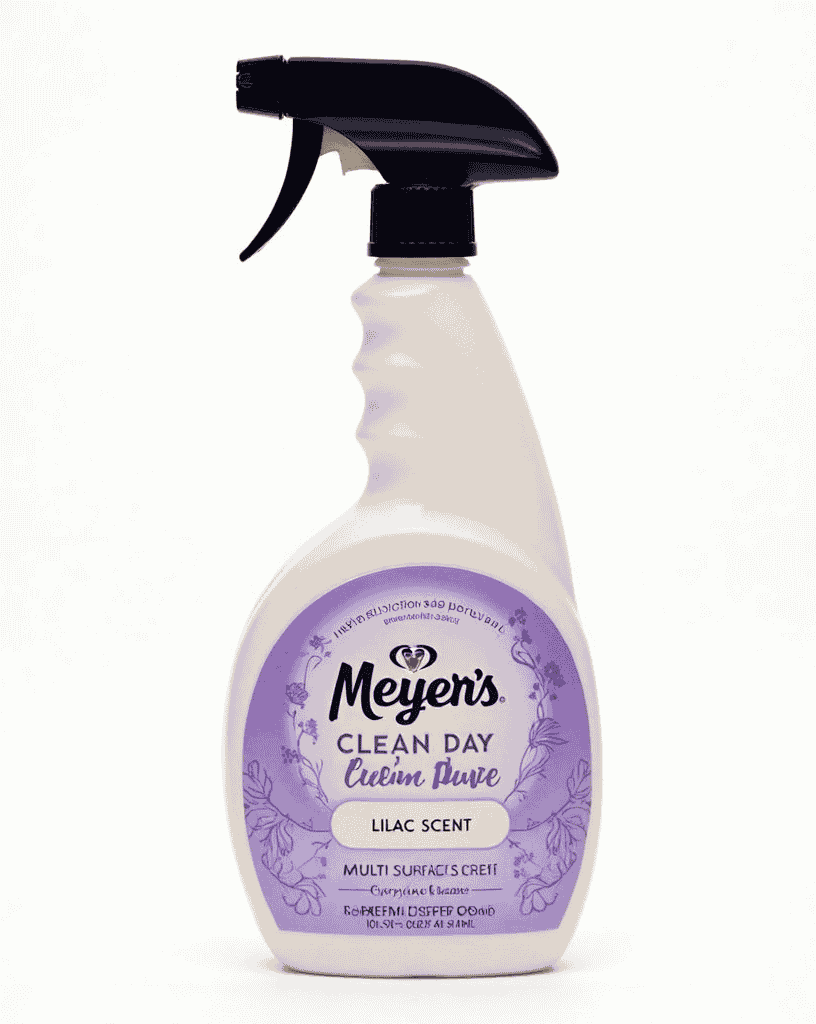 Mrs. Meyer’s Clean Day Multi-Surface Cleaner is an eco-friendly and effective cleaning solution made from plant-derived ingredients. It avoids synthetic chemicals, making it a safer and more sustainable choice for your home.
Benefits & Uses: This cleaner is versatile and works well on various surfaces, including floors, tiles, countertops, and walls. Its refreshing scents, such as lemon verbena, lavender, and basil, are derived from essential oils, leaving your space smelling naturally fresh.
Affiliate Link: Check on Amazon
Pros & Cons:
- Pros: Biodegradable, cruelty-free, pleasant natural scents, effective on multiple surfaces.
- Cons: May not be suitable for delicate surfaces like untreated wood.
This product combines effectiveness, eco-friendliness, and delightful scents, making it a fantastic choice for maintaining a clean and fresh home.
Seventh Generation Disinfecting Multi-Surface Cleaner
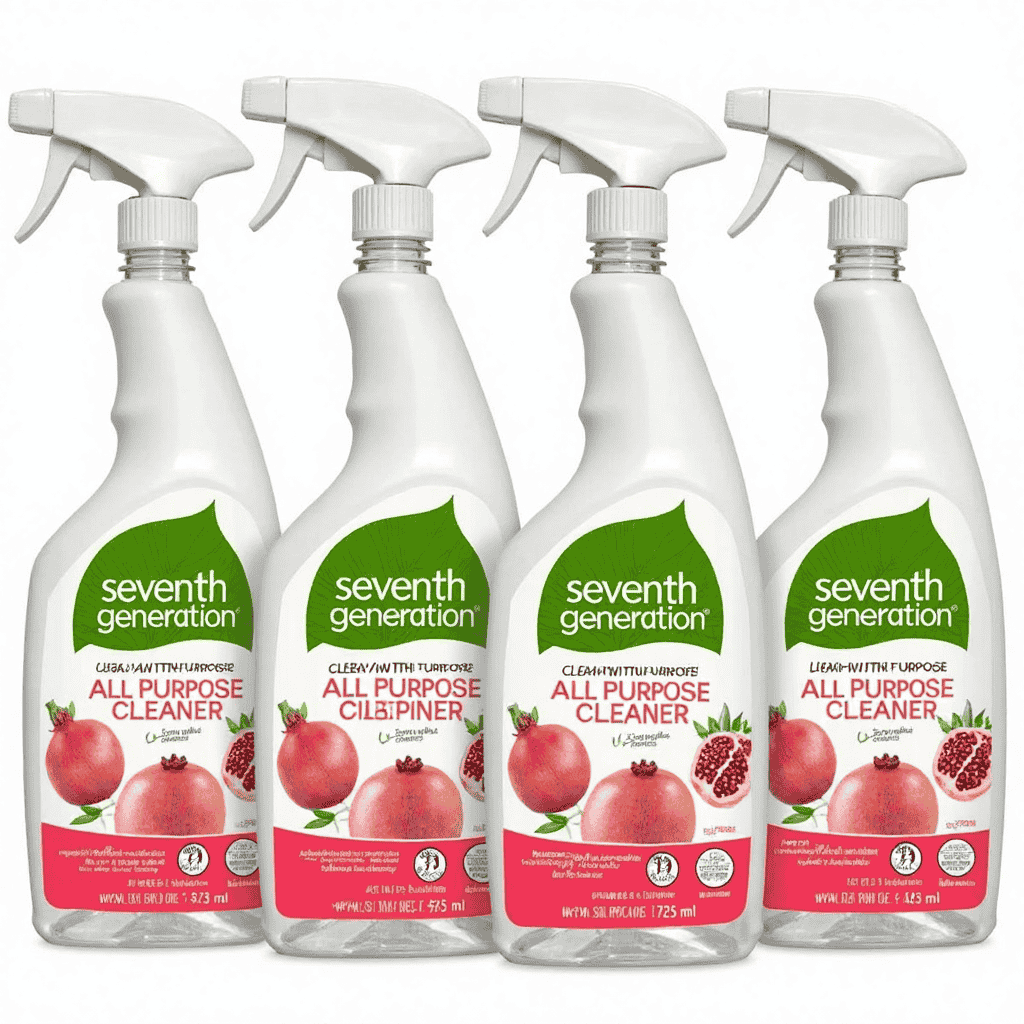 Seventh Generation Disinfecting Multi-Surface Cleaner is a powerful, eco-friendly cleaning solution designed to eliminate 99.99% of germs and viruses, including E. coli, Salmonella, and common cold and flu viruses. Formulated with essential oils like thyme, lemongrass, and citronella, it provides a pleasant scent while contributing to its disinfecting properties.
Benefits & Uses: This versatile cleaner is safe for countertops, appliances, floors, and even children’s toys. It doesn’t require rinsing, making it perfect for quick and convenient cleanups. Its biodegradable and USDA Certified Biobased formula ensures it breaks down naturally, reducing environmental impact.
Customer Review: “I love this cleaner! It’s effective, smells amazing, and I feel good knowing it’s safe for my kids and pets. The lemongrass citrus scent is refreshing, and it works wonders on all surfaces in my home. Highly recommend for anyone looking for a natural disinfectant!”
Affiliate Link: Check on Amazon
Pros & Cons:
- Pros: Kills 99.99% of germs, biodegradable, free from harsh chemicals, pleasant natural scents, versatile usage.
- Cons: May not be available for shipping to certain locations.
This product combines effectiveness, safety, and environmental consciousness, making it an excellent choice for your household cleaning needs.
Puracy Natural All-Purpose Cleaner
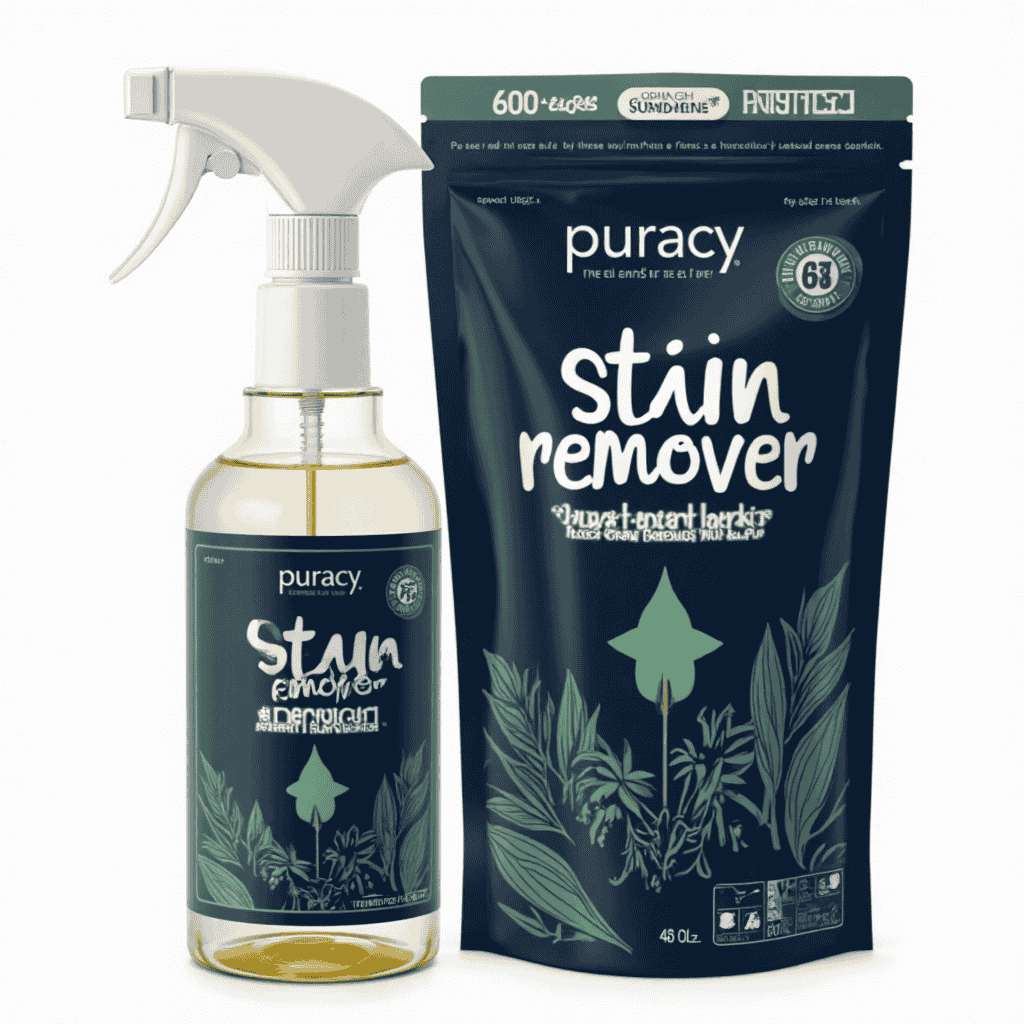 Puracy Natural All-Purpose Cleaner is a versatile and eco-friendly cleaning solution developed by doctors to ensure safety and effectiveness. Free from harmful chemicals, it is designed to tackle a wide range of stains, dirt, and odors on various surfaces and fabrics, making it a reliable choice for households with children and pets.
Benefits & Uses: This cleaner is effective on all water-safe fabrics, including clothing, linens, carpets, mattresses, couches, and more. It is non-toxic, biodegradable, and free from sulfates, phosphates, petroleum, and animal by-products, ensuring it’s safe for both your family and the environment.
Customer Review: “Puracy Natural All-Purpose Cleaner is a game-changer! I love that it’s unscented and safe for my kids and pets. It works wonders on everything from carpets to fitness gear, and the refill pouch is super convenient. Highly recommend for anyone looking for a natural, effective cleaner!”
Affiliate Link: Check on Amazon
Pros & Cons:
- Pros: Non-toxic, biodegradable, safe for kids and pets, effective on a wide range of surfaces, developed by doctors.
- Cons: May not be suitable for heavy-duty industrial cleaning tasks.
This product combines safety, effectiveness, and environmental consciousness, making it an excellent choice for your household cleaning needs.
Better Life Natural All-Purpose Cleaner
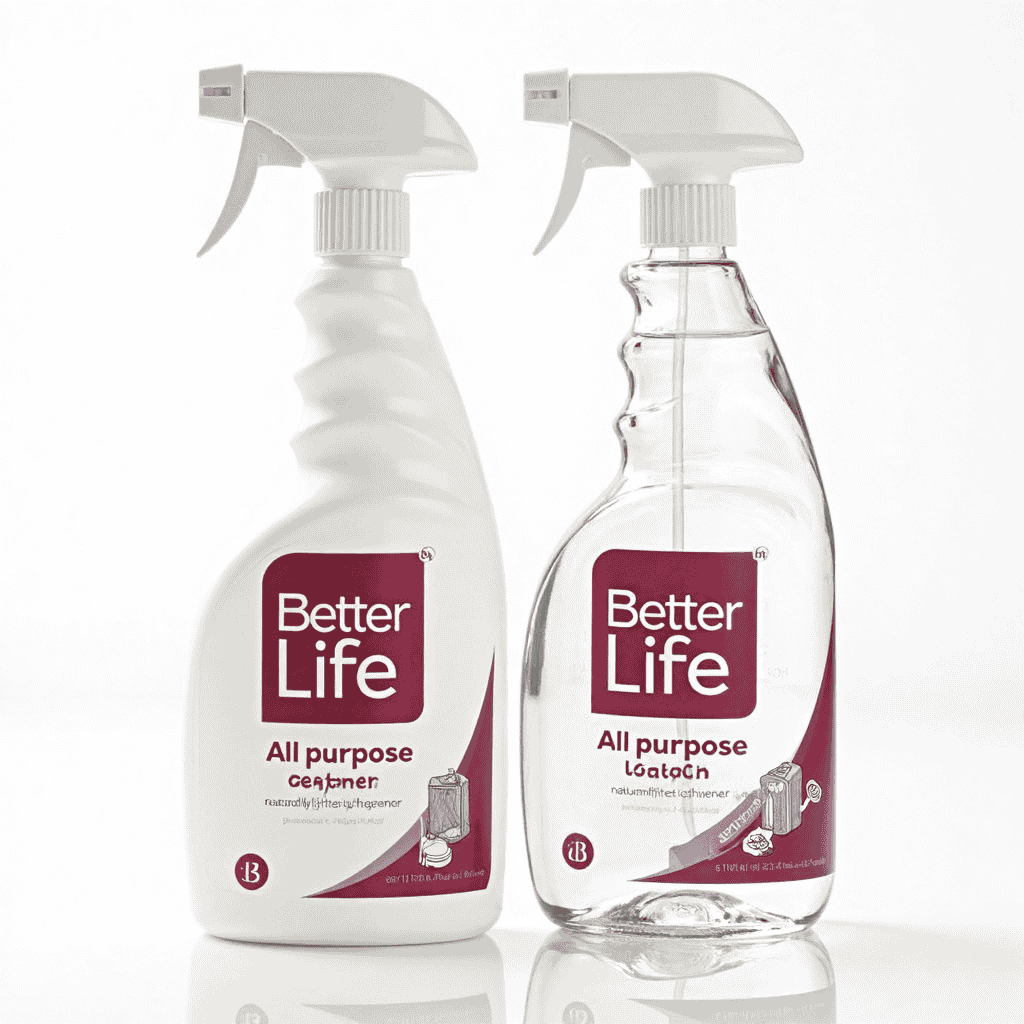 Better Life Natural All-Purpose Cleaner is a versatile and eco-friendly cleaning solution made with plant-based ingredients. Its gentle yet effective formula is free from synthetic fragrances, dyes, and sulfates, making it a safer choice for households with children and pets.
Benefits & Uses: This cleaner is suitable for multi-purpose cleaning and works effectively on various surfaces, including countertops, floors, and appliances. Its natural formula tackles dirt, grime, and stains while being safe for your family and the environment.
Customer Review: “Better Life Natural All-Purpose Cleaner is my go-to for everyday cleaning! The pomegranate scent is delightful, and I love that it’s safe to use around my kids and pets. It cleans thoroughly without any harsh chemicals, and the eco-friendly packaging is a big plus. Highly recommend!”
Affiliate Link: Check on Amazon
Pros & Cons:
- Pros: Natural formula, safe for families and pets, eco-friendly packaging, effective on multiple surfaces.
- Cons: Availability may vary, and it might not be suitable for heavy-duty cleaning tasks.
This product combines safety, effectiveness, and environmental responsibility, making it an excellent choice for your household cleaning needs.
ECOS All-Purpose Cleaner
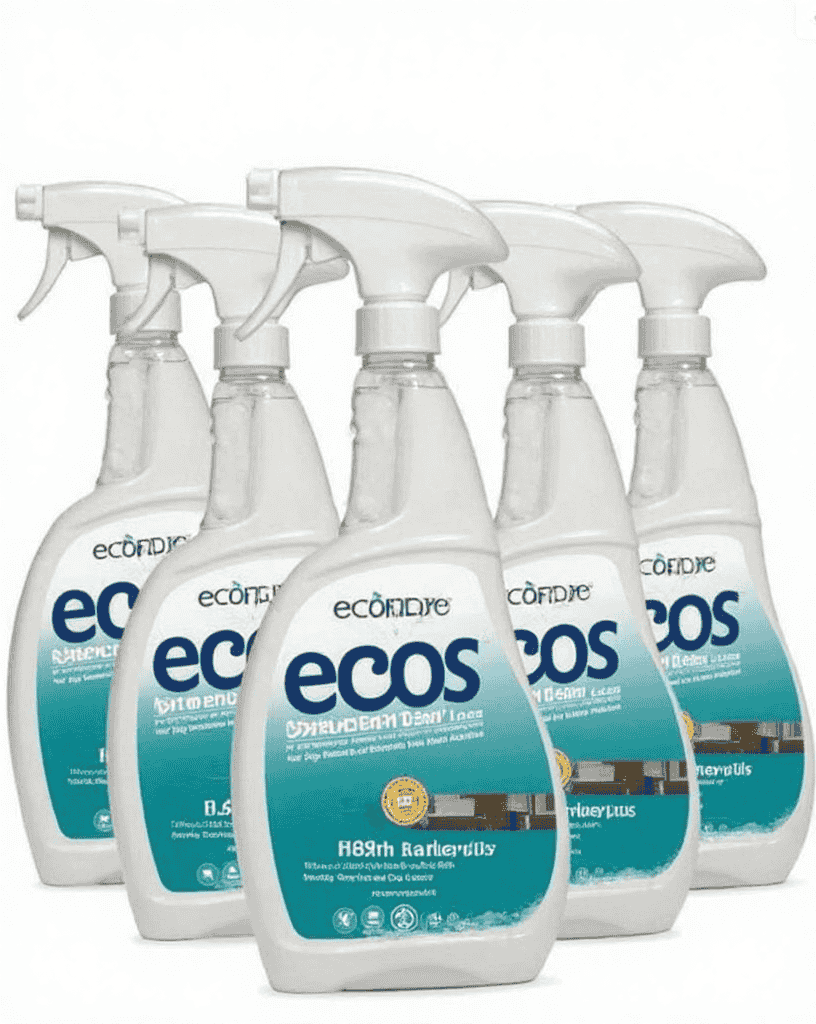 ECOS All-Purpose Cleaner is a powerful yet eco-friendly cleaning solution designed for kitchen and bathroom use. Infused with natural ingredients like coconut oil, it effectively tackles dirt and grime while being gentle on surfaces. Its fresh parsley scent adds a pleasant touch to your cleaning routine.
Benefits & Uses: This cleaner is biodegradable and certified by the U.S. EPA Safer Choice Program, ensuring it’s safe for human health and the environment. It’s free from harsh chemicals, synthetic fragrances, dyes, parabens, phosphates, and phthalates, making it a safe choice for households with children and pets. Suitable for various surfaces, it provides a thorough clean without compromising safety.
Customer Review: “ECOS All-Purpose Cleaner is fantastic! The parsley scent is so refreshing, and I love that it’s made from natural ingredients. It cleans my kitchen and bathroom surfaces effectively without any harsh chemicals. Highly recommend for anyone looking for a safe and eco-friendly cleaner!”
Affiliate Link: Check on Amazon
Pros & Cons:
- Pros: Biodegradable, certified by the EPA, safe for families and pets, pleasant natural scent, effective on multiple surfaces.
- Cons: Availability may vary, and shipping restrictions might apply to certain locations.
This product offers a safe, effective, and environmentally conscious solution for your cleaning needs.
DIY Plant-Based Cleaning Recipes
Elevate your eco-friendly cleaning game with these easy-to-make, plant-based recipes! Using simple, natural ingredients you already have at home, you can create effective and safe cleaners tailored to your needs.
1. All-Purpose Cleaner
- Ingredients:
- 1 cup water
- 1 cup white vinegar
- 10-15 drops of essential oil (lemon, lavender, tea tree, or eucalyptus are great options)
- Instructions:
- Combine all the ingredients in a spray bottle.
- Shake well before each use.
- Spray onto surfaces and wipe clean with a cloth.
- Uses: Perfect for countertops, appliances, and general cleaning.
2. Glass Cleaner
- Ingredients:
- 1 part white vinegar
- 10 parts water
- Instructions:
- Mix vinegar and water in a spray bottle.
- Spray onto glass surfaces and wipe clean with a microfiber cloth for a streak-free shine.
- Uses: Ideal for windows, mirrors, and glass tabletops.
3. Baking Soda Scrub
- Ingredients:
- 1/2 cup baking soda
- Water
- Optional: A few drops of lemon juice or essential oil for added scent.
- Instructions:
- Mix baking soda with just enough water to form a paste.
- Optionally, add lemon juice or essential oil for scent.
- Apply the paste to stains or dirty surfaces, scrub with a sponge, and rinse with water.
- Uses: Great for sinks, tubs, ovens, and tile grout.
4. Citrus-infused vinegar Cleaner
- Ingredients:
- Citrus peels (lemon, orange, grapefruit)
- White vinegar
- Instructions:
- Fill a jar with citrus peels and cover them with white vinegar.
- Seal the jar and let it sit for 2-4 weeks, shaking occasionally.
- Strain the mixture and pour it into a spray bottle.
- Dilute with an equal amount of water for a milder cleaner.
- Uses: Works as an all-purpose cleaner, degreaser, and deodorizer.
Tips for DIY Cleaners
- Use distilled water for a longer shelf life.
- Store your homemade cleaners in labeled spray bottles.
- Always test a small area first to ensure compatibility with the surface.
- Be cautious with essential oils, especially if you have pets or young children.
- Keep in mind these DIY solutions are best used fresh, as they may not last as long as store-bought options.
Tips for Using Plant-Based Cleaners Effectively
Plant-based cleaners are safer and gentler, but using them wisely will help you get the best results. Here are some tips to maximize their effectiveness:
- Follow Product Instructions: Even natural cleaners are specially formulated for specific uses. Always read the manufacturer’s instructions carefully to ensure proper dilution, application, and contact time.
- Test on a Small Area: Before applying to a large or visible surface, try the cleaner on a hidden spot first. This is crucial for delicate materials like wood, stone, or fabrics to avoid accidental damage.
- Store Properly: Keep your cleaners in a cool, dry place, away from sunlight and extreme temperatures. Always secure lids tightly to prevent spills or evaporation, and store them out of reach of children and pets.
- Ensure Good Ventilation: Open windows or use fans while cleaning enclosed areas like kitchens or bathrooms. Even plant-based cleaners benefit from fresh airflow to disperse scents and create a comfortable environment.
- Use the Right Tools:
- Microfiber cloths are excellent for streak-free cleaning.
- For tough messes like grout or baked-on food, a scrub brush or sponge works wonders.
- Avoid Mixing Cleaners: Never combine plant-based cleaners or mix them with other products. Unexpected chemical reactions could reduce their effectiveness or produce harmful fumes.
From Clean Home to Thriving Garden: The Natural Connection
Now that your home is sparkling with the power of plant-based cleaners, why not carry that eco-friendly approach outdoors? One of the biggest advantages of natural cleaners is that their gentle, biodegradable ingredients are garden-safe. You can clean with peace of mind, knowing that any runoff or residue won’t harm your soil, plants, or garden ecosystem.
Gardening Benefits of Cleaning Ingredients
Some key ingredients in plant-based cleaners can even be repurposed to enhance your gardening efforts! Here are a few examples:
- Diluted Vinegar as a Weed Killer: A solution of white vinegar (5–10% acidity) works wonders on young weeds. The acetic acid breaks down weed cells, helping them wither away. Spray directly on weeds on sunny days, but be cautious to avoid desirable plants.
- Castile Soap as a Natural Insecticide: A simple mix of castile soap and water can effectively combat soft-bodied pests like aphids and spider mites by disrupting their protective layers. It’s a safe way to protect your garden from infestations.
- Lemon Juice as a Soil Acidifier: Plants like blueberries, azaleas, and rhododendrons thrive in acidic soil. A diluted lemon juice solution can help lower soil pH—just use sparingly and check pH levels regularly to maintain balance.
What are the healthiest cleaners to use? The healthiest cleaners are made from natural, non-toxic ingredients. Plant-based cleaners are great examples as they use ingredients derived from plants and avoid harmful chemicals. White vinegar effectively cuts grease and neutralizes odors, while baking soda works wonders for scrubbing stains. Essential oils like tea tree and lavender provide pleasant, natural scents and antibacterial benefits. Castile soap, made from vegetable oils, is versatile and gentle. These choices help maintain a clean home while safeguarding your health and the environment.
Are plant-based cleaners safe? Yes, plant-based cleaners are generally very safe. Made from natural ingredients, they exclude harmful chemicals, making them gentler on skin and safe to use around children and pets. They also avoid toxic substances that can cause irritations or allergic reactions. Overall, plant-based cleaners offer effective results while prioritizing your health and the planet’s well-being.
What is the best natural thing to clean with? Vinegar is one of the best natural cleaners. It’s highly effective at cutting through grease, removing odors, and cleaning a variety of surfaces. To create an all-purpose cleaner, mix equal parts of vinegar and water in a spray bottle. Vinegar is safe, eco-friendly, and an excellent option for chemical-free cleaning.
What are some examples of plant-based cleaners? Examples of plant-based cleaners include dish soaps, laundry detergents, and all-purpose cleaners made with natural ingredients like coconut oil and essential oils. These products rely on plant-derived components rather than harsh chemicals. Well-known brands like Method, Seventh Generation, and Mrs. Meyer’s offer a wide range of plant-based cleaners.
What is the best natural antibacterial cleaner? Tea tree oil is an excellent natural antibacterial cleaner. It has strong germ-killing properties and can be added to homemade cleaning solutions. Mix a few drops of tea tree oil with water or vinegar to create an effective, natural antibacterial cleaner that leaves a fresh scent.
What are the three natural cleaning agents? The top three natural cleaning agents are vinegar, baking soda, and lemon juice. Vinegar is perfect for cutting grease and eliminating odors, baking soda excels at scrubbing tough stains, and lemon juice provides antibacterial properties with a refreshing citrus fragrance. Together, these are effective and safe for most cleaning tasks.
Conclusion
In today’s world, where sustainability and wellness are paramount, plant-based cleaners offer a refreshing and effective alternative to traditional chemical-laden products. We’ve explored the numerous benefits, from their eco-friendly composition and reduced environmental impact to their gentler, healthier formulations for your home and family. By choosing plant-based cleaners, you’re not just cleaning; you’re contributing to a healthier planet and a safer living environment.
I’m John Doe, a Certified Master Gardener with over 20 years of hands-on experience in cultivating healthy and vibrant gardens. My expertise spans organic gardening, soil science, and sustainable pest control. I’ve worked extensively with community gardens and have a deep passion for sharing my knowledge to help others succeed in their gardening endeavors.