How to Take Care of Plants in Winter


With years of experience caring for plants, I’ve learned how important it is to take care of plants in winter to help them stay healthy. During this season, cold weather and shorter days can stress plants, causing slowed growth or dormancy. Indoor plants may struggle with reduced light, leading to yellowing leaves and leaf drop, while outdoor plants are at risk of frost damage to their leaves, stems, and roots.
This guide is designed to share practical tips and proven strategies to take care of plants in winter and ensure they thrive through the colder months.
Understanding Winter’s Impact on Plant Health
Winter can significantly affect plant health due to the combination of colder temperatures, reduced sunlight, and changes in humidity. During this season, many plants experience slowed growth or enter dormancy as a survival mechanism. Indoor plants often suffer from limited natural light, leading to yellowing leaves and leaf drops. Outdoor plants, on the other hand, are vulnerable to frost, which can damage their leaves, stems, and roots.
Moisture levels also shift during winter, with soil drying out more slowly in cooler conditions, increasing the risk of overwatering. For outdoor plants, frost can freeze the moisture in the soil, making water less accessible to the roots. Understanding these challenges is key to adapting your care routine, and ensuring plants stay healthy through the season.
How to care for indoor plants in winter
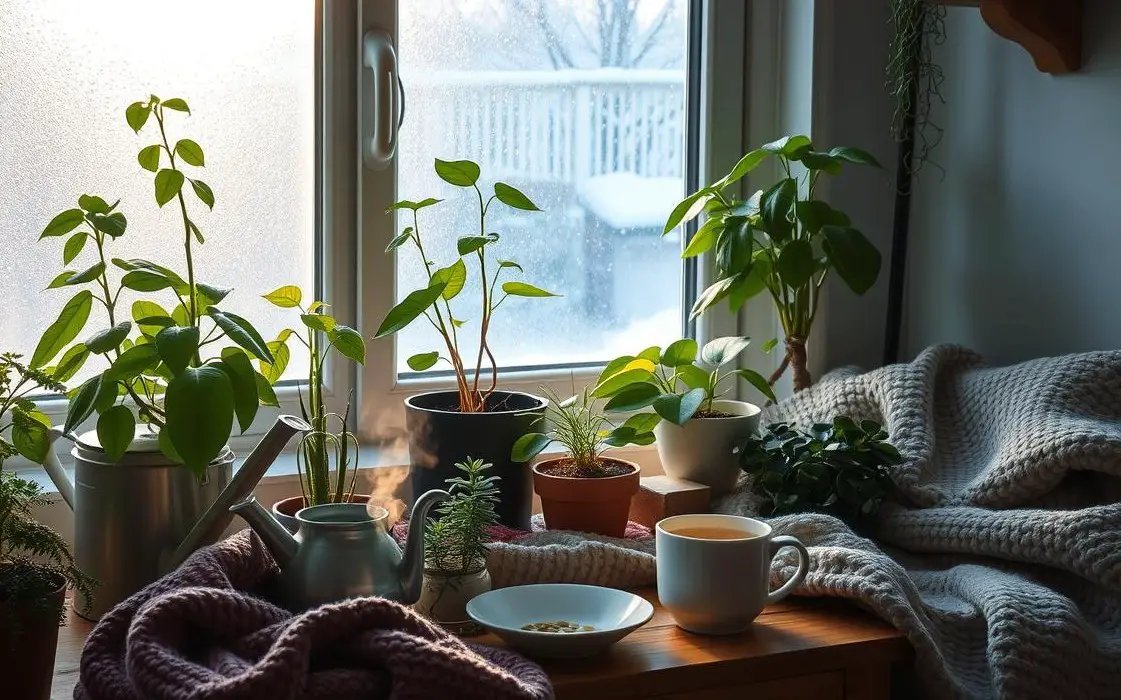
Winter can be tough on indoor plants—it’s like their own little survival challenge! The cold air outside, shorter daylight hours, and the dry indoor heat all create hurdles for your green buddies. But don’t worry! With a bit of extra care, you can turn winter from a struggle into a season of cozy growth for your plants. This guide will walk you through simple tips to keep them comfortable, from finding the right temperature to boosting humidity and making sure they soak up enough light. Together, we’ll help your plants stay happy and healthy all winter long!
Here are some key tips to keep them healthy and thriving during the colder months:
Temperature Tips for Indoor Plants in Winter
Daytime Temperature:
Maintaining a daytime temperature of 65-75°F (18-24°C) is essential for the well-being of most indoor plants, as it replicates the mild, stable conditions they thrive in. This temperature range supports photosynthesis, helping plants produce energy efficiently. Temperatures above this range can cause stress, leading to wilting or scorched leaves, especially if paired with dry indoor air. On the other hand, temperatures below 65°F (18°C) may slow down the plant’s growth and, in some cases, make it more vulnerable to diseases.
Monitoring the temperature with a reliable thermometer near your plants ensures consistency. It’s also important to consider microclimates within your home—areas closer to windows or doors might experience drafts, while spots near radiators or vents might get too warm. Keeping plants in this comfortable range helps them maintain a steady growth rate and prevents unnecessary stress during the colder months.
Nighttime Temperature:
Allowing the temperature to drop 5-10°F (3-6°C) at night benefits indoor plants by mimicking their natural environment. In nature, nighttime temperatures are cooler, signaling plants to rest and conserve energy. This slight change supports their natural growth cycles, reducing stress and promoting overall health.
However, it’s important not to expose plants to sudden or extreme temperature changes, as this can harm them. Avoid placing plants too close to drafty windows or doors during colder months. By creating a consistent and gentle temperature shift, you help your plants thrive naturally, even indoors.
Placement:
Positioning your plants correctly is crucial for their well-being in winter. Heating vents and radiators can create hot, dry conditions that stress plants, leading to leaf browning, wilting, or even dehydration. To protect your plants, place them in a spot with stable temperatures and moderate humidity, away from direct heat sources or cold drafts. Finding the right balance helps your plants thrive through the colder months.
Humidity Tips for Indoor Plants in Winter
Use a Humidifier:
Using a humidifier during winter is one of the best ways to keep your plants healthy. Dry indoor air caused by heating can strip moisture from your plants, leading to dry leaves and other stress. By running a humidifier near your plants, you add moisture back into the air, creating a more plant-friendly environment. This extra humidity helps prevent leaf browning and keeps your plants hydrated and happy, even in the driest months!
Water and Pebbles Tray:
Using a water and pebbles tray is a simple way to boost humidity for your plants. Fill a shallow tray with water and add pebbles, ensuring the water level stays below the tops of the pebbles. Place your plant pots on the pebbles, making sure the pots don’t sit directly in the water. As the water evaporates, it creates a more humid microclimate around the plants, helping them stay hydrated in dry winter air. It’s an easy, natural way to keep your plants happy!
Group Plants Together
Grouping plants is a smart way to naturally increase humidity around them. Plants release moisture into the air through a process called transpiration, and when they’re placed close together, this moisture builds up, creating a humid mini-environment. It’s like they’re having a little plant party where everyone shares and benefits from the moisture! This simple trick helps your plants stay hydrated and happy, especially in the dry winter months.
Light Tips for Indoor Plants in Winter
Grow Lights:
Grow lights are a great solution for those short, cloudy winter days when natural light is scarce. They mimic sunlight, giving your plants the energy they need for photosynthesis and steady growth. With grow lights, you can ensure your plants stay healthy and vibrant, even in the darkest corners of winter. It’s like giving them their own personal patch of sunshine indoors!
Low-Light Plants:
Low-light plants are perfect for areas with moderate sunlight. Placing them near east- or west-facing windows ensures they get gentle, indirect light, which is ideal for their growth. These spots provide enough light without the intensity of direct sunlight, which could stress them. It’s a simple way to keep your low-light plants healthy and happy throughout the year!
Medium-Light Plants:
Medium-light plants thrive in areas with consistent, bright but indirect sunlight. South-facing windows are ideal as they provide ample natural light throughout the day. However, if the sunlight is limited during winter, you can use grow lights to supplement their needs and ensure steady growth. This balance keeps your medium-light plants vibrant and healthy, even when natural light isn’t enough!
High-Light Plants:
High-light plants are true sun lovers! They thrive best in the brightest spots in your home, such as south-facing windows that receive direct sunlight for most of the day. If your space doesn’t get enough natural light, high-intensity grow lights can step in as an excellent substitute, ensuring your plants receive the strong light they need to grow and stay healthy. Giving them this bright environment is key to keeping these plants happy and vibrant!
General Care Tips for Indoor Plants in Winter
Watering:
During winter, it’s essential to adjust your watering routine because plants grow slower and need less moisture. Before watering, check the soil by sticking your finger about an inch below the surface; only water if it feels dry. Overwatering in cold months can lead to issues like root rot, so it’s better to stay cautious and let the soil dry slightly between waterings. This simple step keeps your plants healthy and happy through winter!
Fertilizing:
In winter, most plants either grow very slowly or go into dormancy, meaning they don’t need extra nutrients. Fertilizing during this time can cause a buildup of unused fertilizer in the soil, which might damage the roots. It’s best to pause fertilizing until spring when your plants start actively growing again and can make good use of the added nutrients. This ensures their roots stay healthy and ready for the growing season!
Pest Check:
Even in winter, pests like aphids and spider mites can find their way to your plants. Regularly inspect both sides of the leaves and the soil to catch any early signs of infestation. If you spot pests, gently clean the leaves using a damp cloth or spray them lightly with water to remove the bugs. Prompt action prevents the pests from spreading and keeps your plants healthy throughout the season!
Grouping Plants:
Grouping plants is a clever way to naturally increase humidity around them, especially during winter when indoor air tends to be drier. As plants release moisture through transpiration, they create a shared humid environment, helping each other stay hydrated. It’s like forming a little plant community that benefits all members! Plus, grouping them creates a lush, beautiful display that enhances your space. It’s a win-win for both your plants and your home!
How to take care of outdoor plants in winter
Caring for outdoor plants in winter requires extra effort to protect them from harsh conditions. Here are some tips to help your garden survive the colder months:
Mulching:
Mulching is one of the simplest yet most effective ways to protect your plants during winter. By applying a thick layer of materials like straw, leaves, or wood chips around the base of your plants, you create a natural insulation barrier. This helps keep the soil temperature stable and prevents the roots from getting damaged by freezing weather. Mulch also retains moisture in the soil, reducing the need for frequent watering. It’s like giving your plants a cozy blanket to shield them from the harsh winter!
Watering:
Watering before the first hard freeze is essential because moist soil acts as an insulator, retaining heat better than dry soil and helping to protect plant roots from freezing temperatures. After the initial freeze, you should only water when the soil feels dry and always do so before another freeze hits. This prevents dehydration and keeps the roots hydrated without creating waterlogged conditions, which can be harmful during the colder months. It’s a balance that ensures your plants stay healthy and strong through winter!
Wrapping and Covering:
Wrapping and covering your sensitive plants during winter is like giving them a warm winter coat! Materials such as burlap, frost blankets, or even old sheets can shield plants from harsh cold winds and damaging frost. These coverings trap heat around the plant while still allowing airflow, which prevents overheating or mold growth. Be sure to secure the coverings properly, especially during windy weather, and remove them during the day to let sunlight in. This simple step ensures your plants stay snug and safe through the chilliest nights!
Pruning:
Pruning in winter requires a light touch to avoid harming your plants. Heavy pruning can expose tender areas, leaving the plant vulnerable to cold damage. Instead, focus on trimming only the dead, damaged, or diseased branches. This keeps the plant tidy and prevents the spread of disease, all while preserving its ability to withstand the colder weather. By pruning carefully, you’re helping your plants conserve energy and stay healthy until spring!
Container Plants:
For container plants, finding a cozy, sheltered spot is key to protecting them from the harsh winter weather. Moving them to places like a garage, shed, or even closer to the house shields them from cold winds and frost. Grouping the pots helps create a shared warmth, as they collectively retain heat and moisture better. This simple strategy can make a big difference in keeping your container plants safe and snug during the colder months!
Wind Protection:
Protecting plants from cold, drying winds is vital during winter, as strong gusts can dehydrate and damage them. Erecting windbreaks, such as fences, hedges, or temporary screens, provides a barrier that reduces wind intensity around your garden. This added protection helps retain moisture in the soil and prevents delicate plants from being battered by harsh conditions. With windbreaks in place, your plants have a better chance of staying healthy and thriving throughout winter!
Winter-Appropriate Fertilizer:
During winter, a slow-release fertilizer is ideal to provide steady nourishment without overwhelming your plants. This type of fertilizer gradually releases nutrients over time, ensuring your plants get what they need during the colder months without promoting rapid, vulnerable growth. Applying a winter-specific fertilizer is especially helpful for evergreens and hardy shrubs that remain active throughout the season, keeping them healthy and resilient until spring arrives.
Winter Watering Guidelines
Taking care of your plant’s water needs during winter is for their survival and health. Here are some simple guidelines to follow:
Water Before a Freeze:
Watering before a hard freeze is a smart way to shield your plants from cold damage. The moist soil absorbs and retains heat more effectively than dry soil, providing a layer of insulation that protects the roots. This simple step can make a big difference in preventing freezing damage. Just be careful not to overwater, as soggy soil can create its challenges in winter conditions!
Monitor Soil Moisture:
Regularly monitoring soil moisture is crucial during winter to avoid overwatering, which can cause root rot. Check the soil by inserting your finger about an inch or two deep—if it feels dry, it’s time to water. If it’s still moist, hold off on watering. This careful approach keeps your plants’ roots healthy and prevents them from sitting in overly damp soil during the colder months. Consistency in checking soil moisture can make all the difference for winter plant care!
Time It Right:
Timing your watering is essential in winter. Late morning, during the warmer part of the day, is perfect because it allows water to soak into the soil before temperatures drop in the evening. This prevents water from sitting on the surface and freezing, which could harm both the roots and the plant. By watering at the right time, you’re giving your plants the best chance to absorb what they need while staying protected from the cold.
Avoid Frozen Soil:
Avoiding frozen soil is key to protecting your plants in winter. When the soil is frozen, plant roots are unable to absorb water, and any excess water can remain on the surface and freeze, potentially harming the plant further. It’s best to wait until the soil thaws before watering. This ensures that water reaches the roots and keeps the plant hydrated without causing damage. Careful observation can save your plants from these challenges!
Focus on Evergreens:
Evergreen plants are unique in winter care because they continue to lose water through their leaves, even during the colder months. To keep them healthy, make sure to check their soil moisture regularly and provide occasional watering when it feels dry a couple of inches below the surface. Proper hydration helps prevent desiccation caused by cold winds and dry air, ensuring your evergreens stay vibrant and strong throughout the season.
Protect Potted Plants:
Protecting potted plants in winter is crucial for their survival. Since they’re more exposed to cold temperatures, it’s important to check their soil regularly. Insulating pots with materials like bubble wrap, and burlap, or even placing them in wooden containers can help reduce water loss and shield roots from freezing. While insulating reduces the need for frequent watering, make sure the soil doesn’t dry out completely. A little extra care ensures your container plants stay healthy throughout the colder months!
Don’t Overwater Dormant Plants:
Dormant plants have a much lower water requirement during winter as they essentially “rest” until the growing season resumes. Overwatering can cause harm, such as root rot or fungal issues. Instead, water sparingly—just enough to keep the roots slightly moist and prevent them from drying out completely. This delicate balance ensures the plant stays healthy and ready to flourish when spring arrives!
| Plant Type | Watering Frequency | Soil Moisture Level |
|---|---|---|
| Indoor plants | Once a week | Moderately dry |
| Outdoor plants | Once every 10 days | Slightly dry |
Special Care Tips for Different Plant Types
Different plants have unique needs, especially during the winter months. Here are some special care tips for various types of plants to ensure they stay healthy and happy:
1. Succulents and Cacti:
- Watering: Water sparingly as they are adapted to dry conditions. Overwatering can cause root rot.
- Light: Place them in bright, indirect light. South-facing windows are ideal.
- Temperature: Keep them in a cool room, but protect them from frost.
2. Tropical Plants:
- Watering: Keep the soil consistently moist but not soggy. Mist the leaves to maintain humidity.
- Light: Provide bright, indirect light. Avoid direct sunlight, which can scorch the leaves.
- Temperature: Maintain warm temperatures (65-75°F / 18-24°C) and avoid drafts.
3. Flowering Plants:
- Watering: Water when the top inch of soil feels dry. Ensure good drainage to prevent root rot.
- Light: Place them in a spot with bright, indirect light. Some flowering plants may need extra light from grow lights.
- Temperature: Keep them in a warm room, avoiding sudden temperature changes.
4. Ferns:
- Watering: Keep the soil consistently moist. They thrive in high humidity, so mist them regularly.
- Light: Provide indirect light. Direct sunlight can burn their delicate fronds.
- Temperature: Maintain moderate temperatures (60-70°F / 16-21°C) and keep them away from drafts.
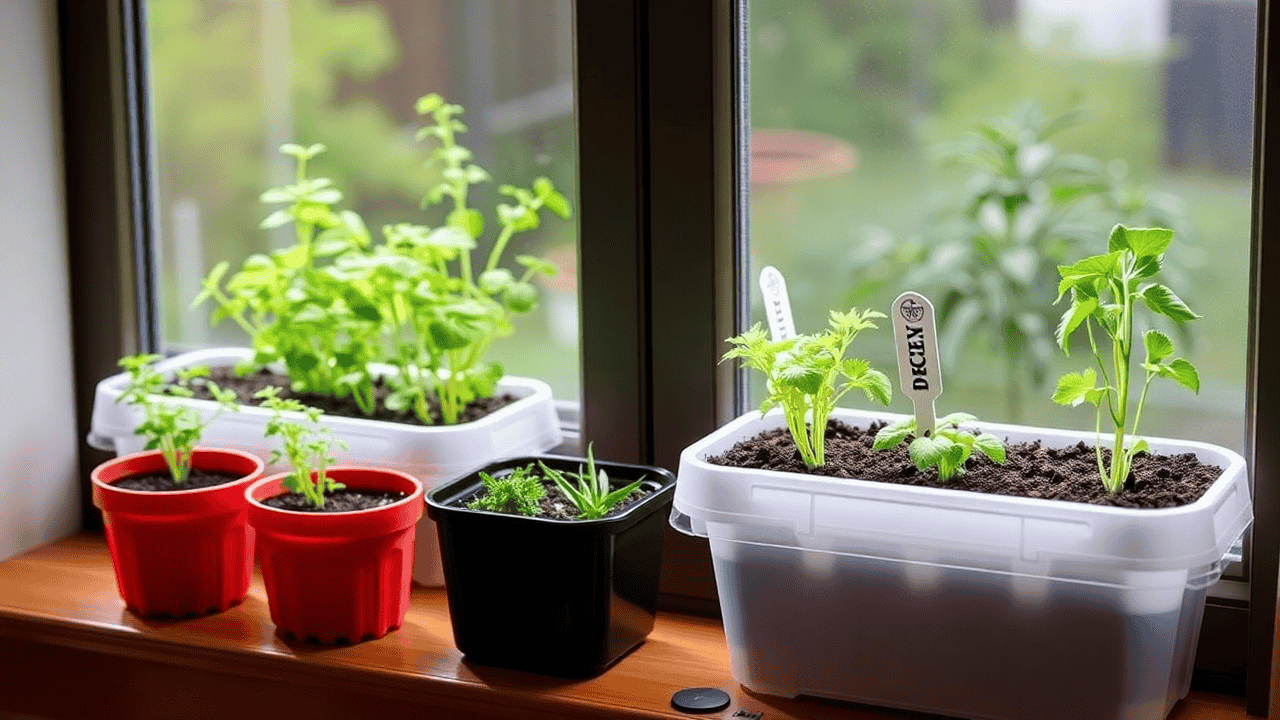
5. Herbs:
- Watering: Water when the top inch of soil is dry. Avoid waterlogged soil.
- Light: Place them in a sunny spot, like a south-facing window. Use grow lights if natural light is insufficient.
- Temperature: Keep them in a warm room, ensuring they get enough light and warmth to continue growing.
6. Evergreen Shrubs:
- Watering: Water deeply before the ground freezes and during dry spells.
- Light: Ensure they get enough light, but be mindful of winter sunburn.
- Protection: Mulch around the base to protect the roots and consider using burlap to shield them from harsh winds.
Common Winter Plant Diseases and Prevention
Winter can bring challenges for plants, as cold and damp conditions create the perfect environment for certain diseases. Here are some common winter plant diseases and how to prevent them:
Powdery Mildew:
Powdery Mildew is a common fungal disease that manifests as white, powdery spots on the surface of leaves, stems, or even flowers. It thrives in cool, humid conditions and can weaken plants if left untreated.
Prevention Tips:
- Promote good airflow between plants by spacing them adequately.
- Avoid overhead watering to keep foliage dry, especially in the evening.
- Water at the base of the plant to minimize moisture on the leaves.
Treatment Steps:
- Carefully remove and dispose of infected leaves to prevent the spread.
- Apply a fungicide specifically formulated for powdery mildew—ensure you follow the instructions on the label for safe and effective use.
Gray Mold (Botrytis):
Gray Mold (Botrytis) is a fungal disease that develops in cool, damp conditions, manifesting as fuzzy gray growth on leaves, stems, and even flowers. It’s particularly harmful because it spreads rapidly and can cause extensive damage to your plants.
Prevention Tips:
- Keep plants dry by avoiding overhead watering and watering early in the day to allow moisture to evaporate.
- Regularly remove dead or decaying plant material, as it provides an ideal environment for the fungus.
- Ensure adequate spacing between plants to improve airflow and reduce humidity levels around them.
Root Rot:
Root Rot is a serious issue caused by overwatering or poorly draining soil, leading to mushy, black roots that can no longer function properly.
Prevention Tips:
- Use well-draining soil to allow excess water to flow away, reducing the risk of waterlogged conditions.
- Water only when necessary, checking the soil moisture by feeling a few inches below the surface—if it’s still damp, wait before watering.
- Ensure your pots or planting beds have proper drainage holes to allow water to escape.
- Avoid letting potted plants sit in saucers filled with water for extended periods.
Snow Mold:
Snow Mold is a fungal disease that commonly affects lawns during winter, especially when snow covers the ground for prolonged periods. It shows up as circular patches of matted grass, often with a white or pinkish mold-like growth.
Prevention Tips:
- Rake up fallen leaves and debris in the autumn to avoid creating damp conditions that encourage mold growth.
- Avoid piling snow on your lawn, as compacted areas take longer to melt and increase the risk of snow mold.
- Mow the grass slightly shorter in late fall to reduce the amount of material fungi can grow on.
- Use a balanced fall fertilizer to strengthen your lawn, making it more resistant to winter diseases.
Leaf Spot Diseases:
Leaf Spot Diseases are a group of fungal or bacterial infections that create discolored spots on leaves, often weakening the plant over time. These spots can vary in color and size but are usually brown, black, or yellow with defined edges.
Prevention Tips:
- Remove and dispose of any infected leaves as soon as you notice symptoms to prevent the spread of the disease.
- Water plants at the base to minimize splashing water onto the foliage, which can spread pathogens.
- Maintain good garden hygiene by cleaning up fallen leaves and plant debris, especially around the base of plants.
- Ensure proper plant spacing to promote airflow, reducing the humid conditions that favor leaf spot diseases.
Rust:
Rust is a common fungal disease that can be quite damaging to plants if left unchecked. The orange, yellow, or reddish-brown spots on the undersides of leaves interfere with the plant’s ability to photosynthesize, weakening it over time. Rust thrives in cool, moist conditions, making preventive care essential.
Prevention Tips:
- Water plants at the base to keep the foliage dry and discourage fungal growth.
- Ensure proper spacing between plants to improve airflow and reduce humidity.
- Remove and destroy infected leaves promptly to prevent the spread of spores.
- Consider planting rust-resistant varieties when possible.
- Apply a fungicide approved for rust if the infection becomes severe, following the instructions carefully.
FAQ
Can plants stay alive during winter? Yes, plants can stay alive during winter with the right care. By protecting them from extreme cold, providing adequate light, and maintaining proper watering and humidity levels, you can help your plants survive the winter months.
How often should plants be watered in winter? In winter, plants generally need less water. Water them only when the top inch of soil feels dry. Be careful not to overwater, as this can lead to root rot.
Should I mist my plants in winter? Yes, misting your plants in winter can help maintain humidity, especially if the air is dry. This is particularly beneficial for tropical plants and ferns.
Should I cut back my plants for winter? You should prune dead or damaged branches, but avoid heavy pruning in winter. Excessive cutting can stress plants and make them more vulnerable to cold.
How do you keep outdoor potted plants alive in the winter? To keep outdoor potted plants alive, move them to a sheltered area like a garage or porch. Insulate the pots with bubble wrap or burlap, and group them together to create a microclimate.
Why are my plants dying in winter? Plants may die in winter due to overwatering, lack of light, cold drafts, or dry air. Adjust watering, provide supplemental light, and protect them from temperature extremes to help them survive.
Do I need to winterize my plants? Yes, winterizing your plants helps them endure the cold months. This includes mulching, covering sensitive plants, and moving potted plants to protected areas.
Should you cover plants all winter? You don’t need to cover plants all winter, but it’s a good idea to protect sensitive plants during extreme cold spells. Use frost blankets or burlap to shield them from harsh conditions.
How do I prepare my perennials for winter? To prepare perennials for winter, cut back dead foliage, apply a layer of mulch to insulate the roots, and water them well before the ground freezes. This helps protect them from cold and prepares them for regrowth in spring.
Conclusion
Although winter presents challenges for plant care, taking simple yet effective steps ensures their survival and health. Take care of plants in winter by adjusting watering, providing insulation, and managing humidity levels. Whether you are nurturing indoor greenery or safeguarding your outdoor garden, proper care will help your plants thrive until spring.
Recommended Winter Plant Care Products
- Frost Protection Covers – Check on Amazon
- Humidifier for Indoor Plants – Check on Amazon
- Organic Mulch for Insulation – Check on Amazon
- LED Grow Lights – Check on Amazon
I’m John Doe, a Certified Master Gardener with over 20 years of hands-on experience in cultivating healthy and vibrant gardens. My expertise spans organic gardening, soil science, and sustainable pest control. I’ve worked extensively with community gardens and have a deep passion for sharing my knowledge to help others succeed in their gardening endeavors.