How to Clean Garden Pruning Shears: A Simple Guide

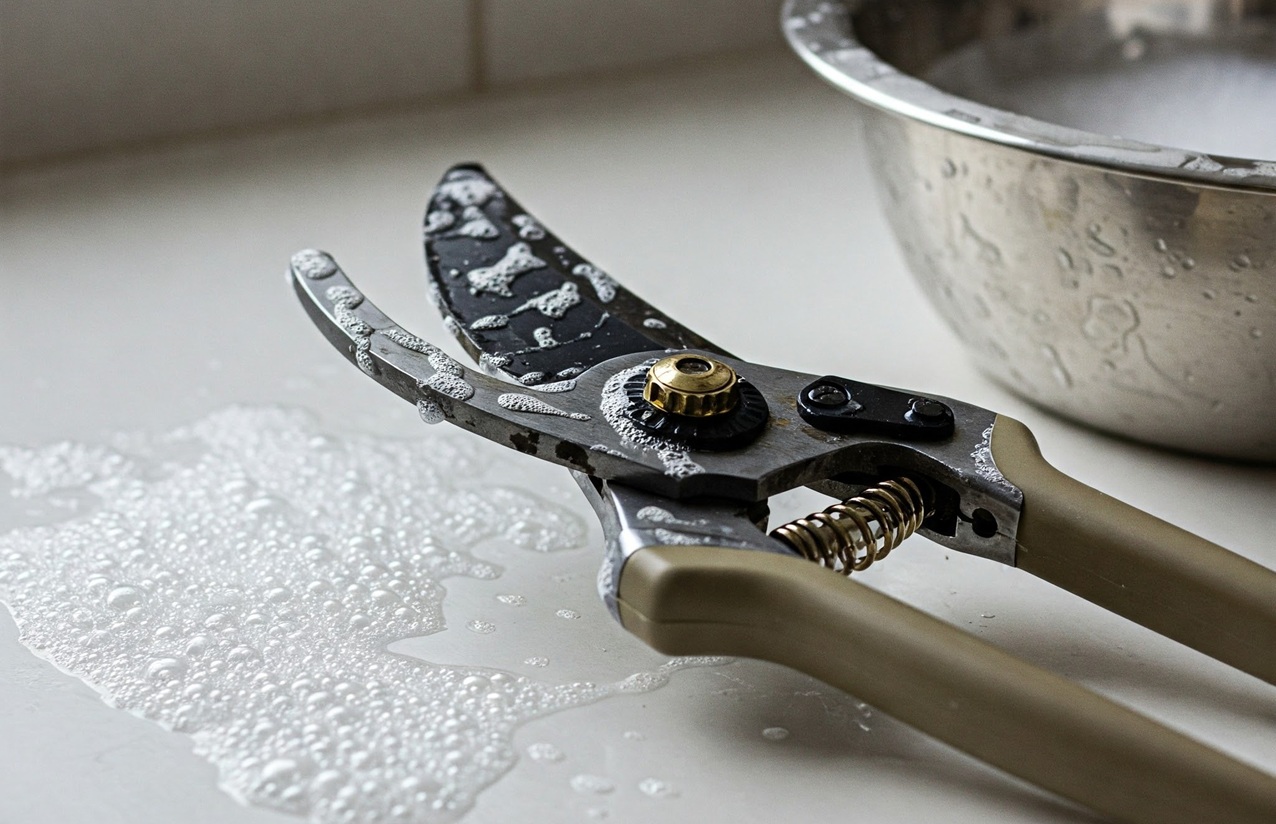
If you’re a gardener, you know how vital sharp pruning shears are. But did you know keeping your garden pruning shears clean is just as crucial? With years of gardening experience, I’ve discovered that unclean shears not only contribute to the spread of plant diseases but also deteriorate more rapidly. That’s why I put together this simple guide. I’ll show you exactly how to clean garden pruning shears, step-by-step, so they stay sharp and last longer.
Dirty tools can impact the health of your plants and reduce their yield over time. Regular maintenance not only extends the lifespan of your tools but also ensures precision in every cut. With just a little care, you can protect your plants and invest in a thriving, productive garden.
Let’s make sure your tools are in top shape for healthy, happy plants!
Why Clean Garden Pruning Shears?
Well, it’s not just about making pretty cuts. Clean shears ensure smooth, precise cuts that promote faster healing for your plants. When plants heal quickly, they’re less vulnerable to pests and diseases. In contrast, dull or dirty shears can create jagged cuts that stress the plant and make it harder to recover.
What is “Cleaning”? Cleaning means removing dirt, sap, and plant debris from the blades of your shears. Sap, a sticky fluid from plants, can harden over time and interfere with the sharpness and movement of the blades. This reduces their efficiency and longevity.
Dirty shears, on the other hand, are like tiny germ carriers. They can harbor bacteria (microscopic organisms that may cause infections) and fungi (spore-producing organisms that can spread diseases). These harmful agents can transfer from one plant to another with every snip, spreading infections that can harm or even kill your plants.
“Sharpening” for Clean Cuts: Beyond cleaning, sharpening the blades regularly is another essential step. Sharp blades make clean, effortless cuts, reducing strain on your hands and minimizing damage to plants. Dull blades crush stems instead of cutting cleanly, further increasing the risk of infection.
Regular cleaning also helps prevent rust, which occurs when metal reacts with moisture in the air. Rust not only weakens the blades but can also leave residues that harm plants. By cleaning your shears after each use, you’re protecting both your tools and your garden.
Trust me, keeping them clean is a simple way to maintain a healthy, thriving garden. A little effort in cleaning and maintenance can go a long way in ensuring your tools last and your plants stay happy!
Materials You Need
To get your garden pruning shears clean and working like new, you’ll need a few basic things. Don’t worry, you probably already have most of them at home. Over many years of garden tool maintenance, I’ve found these items to be the most effective:
Warm, soapy water
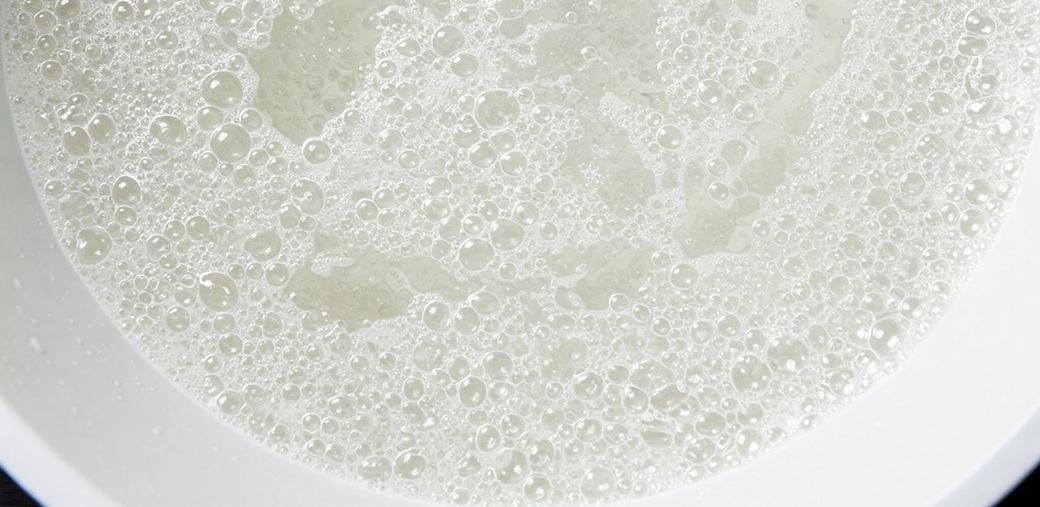
Warm, soapy water might sound basic, but it’s a gardener’s best friend! Think of it as the superhero sidekick for your pruning shears. Dirt and sticky sap love to cling to the blades, making them less effective. But with just some warm water and a little soap, you can wash away all that grime in no time.
Why warm? The heat helps soften the sap and loosen stubborn dirt. Why soapy? Soap breaks down that sticky residue like magic! A quick scrub with this simple combo not only cleans your tools but also keeps them sharp and ready for action.
Rubbing alcohol (or a diluted bleach solution)
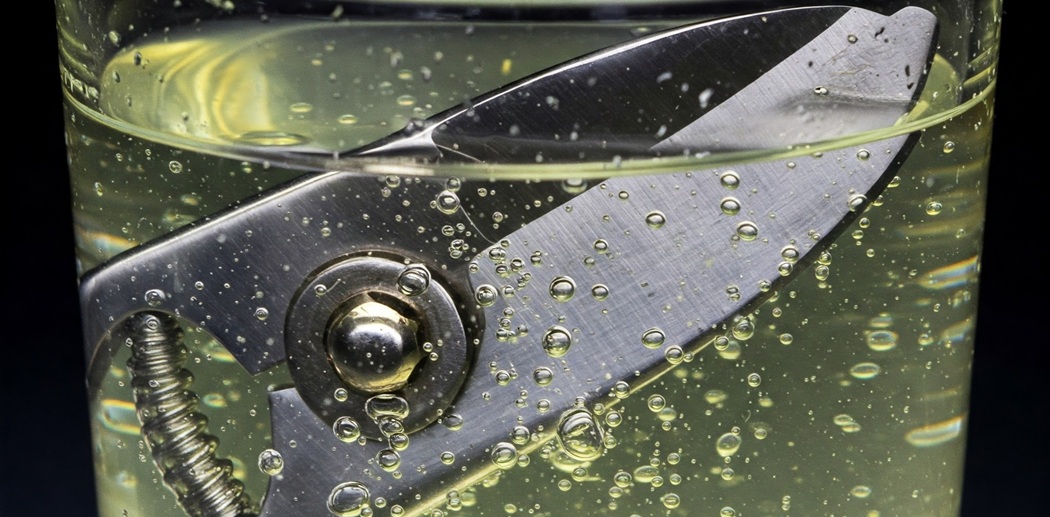
Rubbing alcohol or a diluted bleach solution is like the ultimate disinfectant duo for your pruning shears! These products are fantastic for eliminating harmful bacteria and fungi that might otherwise hitch a ride on your tools and wreak havoc in your garden. Just imagine them as tiny plant-saving superheroes, tackling those invisible threats before they can spread.
I swear by these products and use them regularly in my garden. They’re an easy, effective way to keep your tools disease-free and your plants thriving.
A wire brush or an old toothbrush
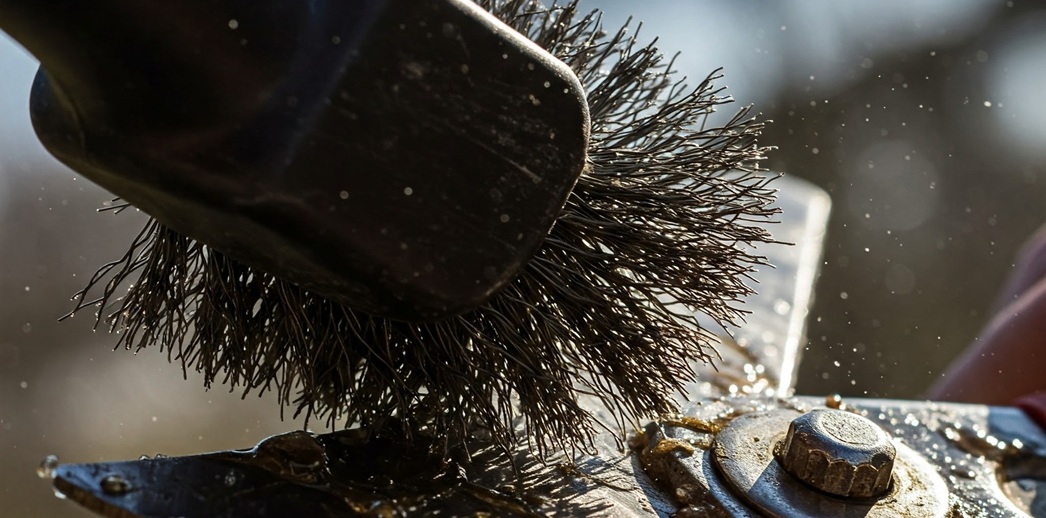
A wire brush or an old toothbrush might seem humble, but they are the ultimate tools for tackling stubborn debris on your pruning shears. The bristles are firm enough to dig into crevices and remove dried sap, dirt, and plant residue without damaging the blades.
Why do they work so well? Their compact size lets you get into those tricky spots where gunk tends to build up, ensuring every part of your shears gets a proper scrub. Plus, using something as simple as an old toothbrush gives new life to everyday items—an eco-friendly bonus for any gardener!
Sandpaper or a sharpening stone
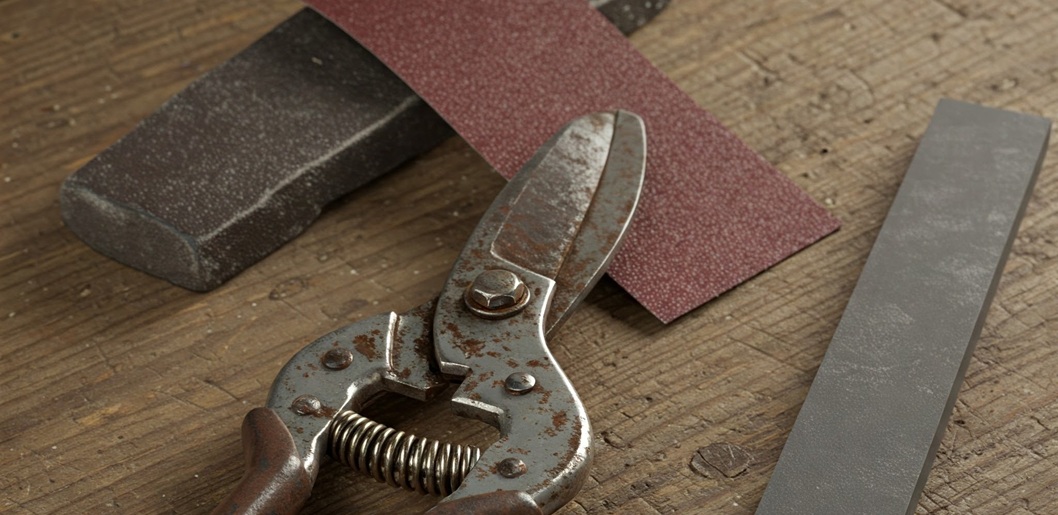
Sandpaper and sharpening stones are like the ultimate fixers for dull pruning shears—they’re your go-to tools to breathe new life into those blades! Both work by carefully smoothing out rough edges and restoring the sharpness that helps your shears slice through branches effortlessly.
A clean cloth
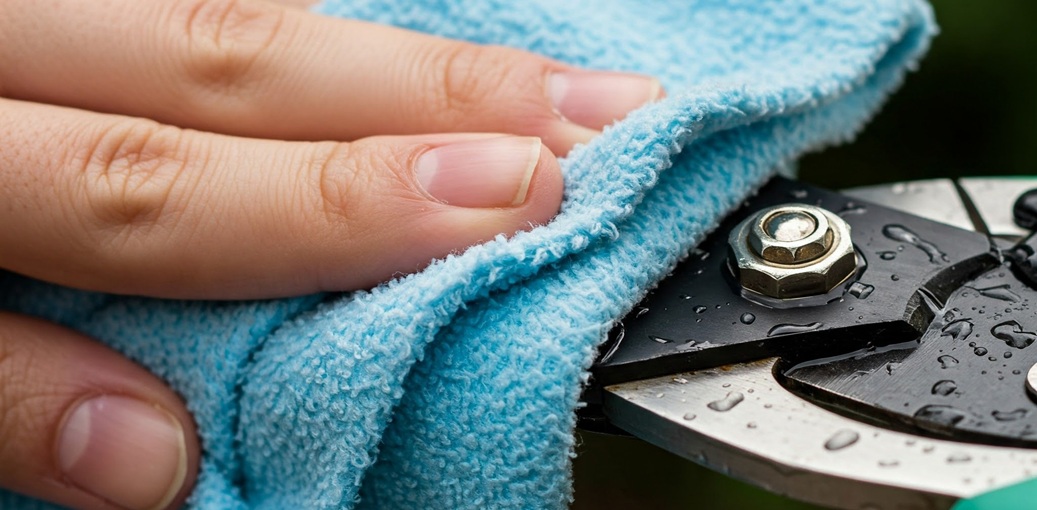
A clean cloth is an essential part of your pruning shears’ cleaning routine! After scrubbing and rinsing your shears, you’ll want to use the cloth to wipe away any excess water and leftover residue. This step is crucial because leaving your shears damp can lead to rust, which weakens the blades and shortens their lifespan.
Choose a soft, absorbent cloth that won’t scratch the metal or leave lint behind. Gently pat the blades and handles dry, making sure to get into all the nooks and crannies.
Lubricating oil (like mineral oil)

Lubricating oil is the finishing touch that keeps your pruning shears in top-notch condition. A light coating of oil, such as mineral oil, serves two vital purposes: it keeps the moving parts smooth and prevents rust from forming on the blades. Mineral oil is particularly effective for long-term care because it’s gentle, residue-free, and doesn’t evaporate as quickly as products like WD-40, making it a fantastic choice for gardeners.
| Material | Purpose |
|---|---|
| Warm, soapy water | Removes dirt, sap, and plant residue from the blades. |
| Rubbing alcohol/bleach solution | Disinfects the blades, killing bacteria and fungi to prevent disease spread. |
| Wire brush/old toothbrush | Scrubs away stubborn debris and hard-to-reach dirt. |
| Sandpaper/sharpening stone | Sharpens dull blades, restoring their cutting efficiency. |
| Clean cloth | Wipes down and dries the shears to prevent rust. |
| Lubricating oil (e.g., mineral oil) | Keeps moving parts smooth, prevents rust, and extends the tool’s lifespan. |
Step-by-Step Cleaning Process
Alright, let’s get those garden pruning shears clean! Here’s how I do it, step-by-step, based on years of keeping my tools in top shape:
Remove Debris
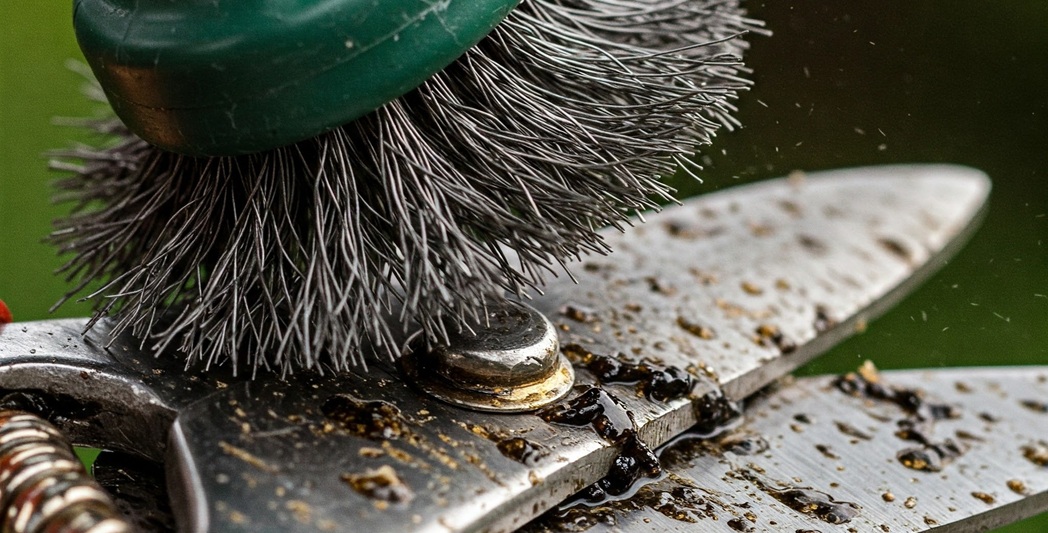
The first step in cleaning your pruning shears is all about tackling the visible grime. Using a wire brush or an old toothbrush, scrub the blades thoroughly to break up and remove loose dirt, dried sap, and other stubborn debris that might be clinging to the metal.
Why is this step important? It clears away the surface mess and ensures the blades are ready for the deeper cleaning steps, like soaking and disinfecting. Plus, scrubbing helps prevent dirt buildup in those tricky crevices, which could otherwise affect your shears’ performance. Starting with clean, debris-free blades is the foundation for restoring your tools to their full glory!
Soak in Soapy Water
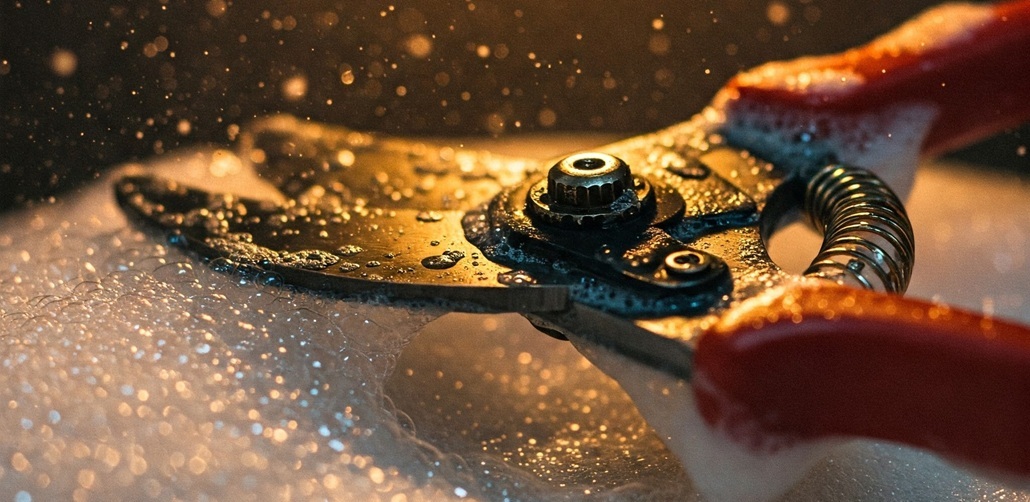
The next step is to give your pruning shears a little bath! Fill a container with warm, soapy water—just warm enough to help break down any sticky residue, but not too hot to damage the blades. Submerge your shears completely and let them soak for a few minutes.
Why is this step so effective? The combination of warmth and soap works together like a gentle yet powerful cleaner, softening hardened sap and loosening any stubborn grime. This makes the scrubbing process much easier later on and ensures a thorough clean. Plus, it’s oddly satisfying to see your tools start to look fresh and ready for action again!
Scrub the Blades
Now it’s time to roll up your sleeves and give those blades a thorough scrubbing! Grab your wire brush or old toothbrush and work on the blades, focusing on removing any stubborn gunk or sap that’s clinging on.
Be sure to pay special attention to all the nooks and crannies—these hidden spots are where dirt loves to hide. A good scrub not only makes the blades shine but also ensures no residue is left behind that could attract rust or harbor plant diseases. This is your chance to get them looking and performing as well as new, so scrub away with confidence!
Disinfect
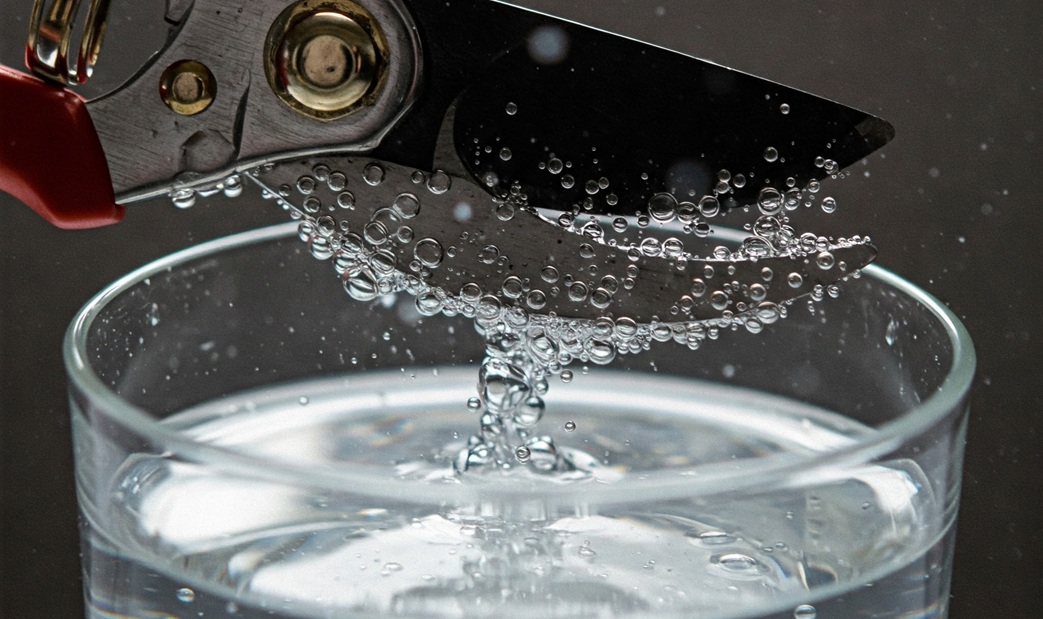
This step is crucial for maintaining a healthy garden! Take your pruning shears and dip the blades into rubbing alcohol or a diluted bleach solution (mix one part bleach with nine parts water). These disinfectants work wonders to eliminate bacteria and fungi that might be lurking on the blades—tiny troublemakers that could otherwise spread diseases from plant to plant.
After disinfecting, let the blades air dry completely. This ensures there’s no moisture left behind, which could lead to rust or reduce the effectiveness of the oiling step. From personal experience, I’ve seen how regularly disinfecting tools can make a dramatic difference in preventing plant diseases. [Clean and disinfect gardening tools and containers].
Sharpen the Blades
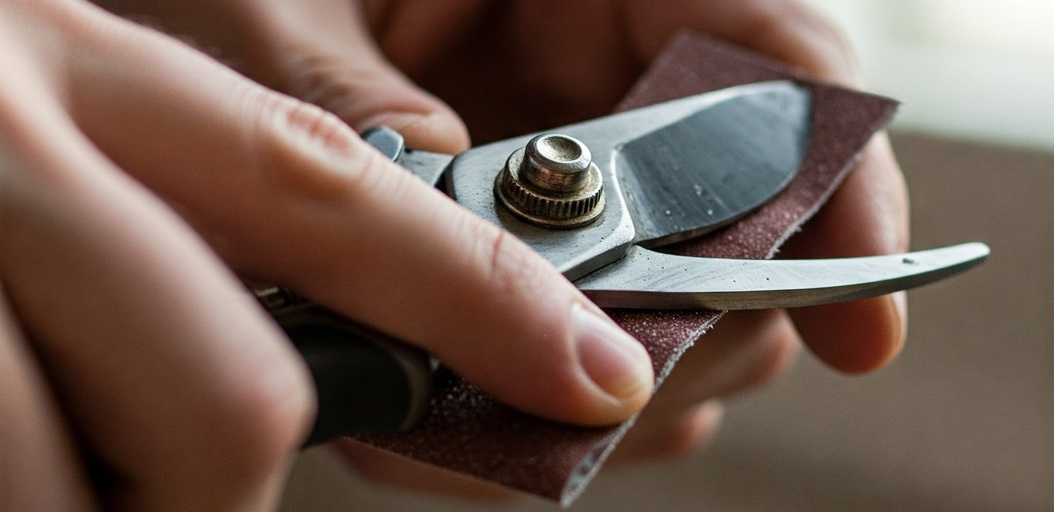
If your shears have lost their edge, this is the moment to restore their sharpness! Using sandpaper or a sharpening stone will work wonders to bring back that smooth, clean cut.
Start by identifying the original angle of the blade—usually around 30 degrees—and follow it closely while sharpening. For sandpaper, use fine-grit paper and rub it gently along the blade’s edge in consistent strokes. If you’re using a sharpening stone, hold the blade at the correct angle and slide it across the stone evenly. Be thorough but don’t rush—precision is key!
Sharp blades make a world of difference, allowing your shears to cut effortlessly and preventing damage to your plants. You’ll notice how much easier it becomes to prune with precision and care once your shears are perfectly sharpened!
Dry Thoroughly
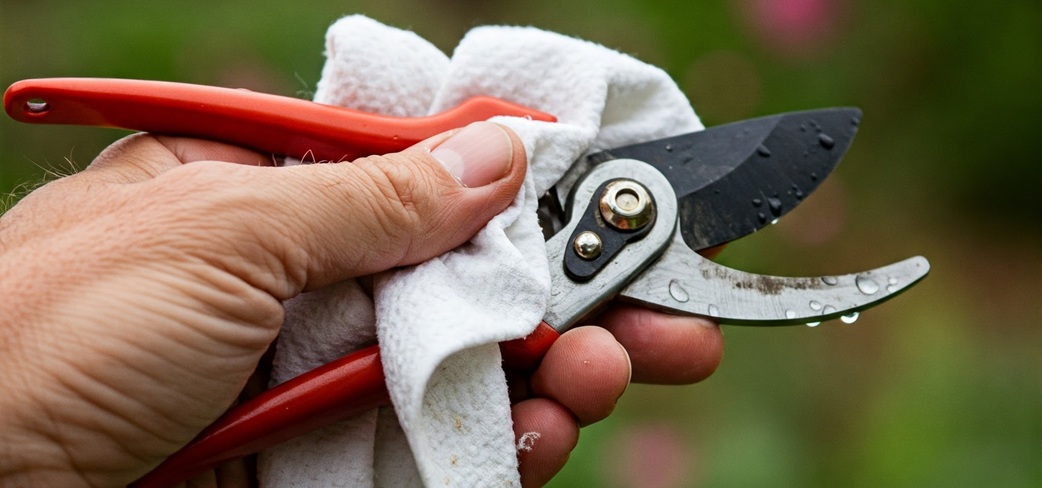
Once you’ve finished cleaning and disinfecting your pruning shears, it’s crucial to make sure they’re completely dry. Grab a clean, dry cloth and gently wipe down the blades and handles, paying extra attention to any joints or crevices where moisture might hide.
Why is this so important? Moisture is a sneaky culprit when it comes to rust formation, which can damage the metal and reduce the lifespan of your shears. Thoroughly drying them ensures they stay in peak condition, ready for your next gardening session. It’s a small step that makes a big impact on keeping your tools rust-free and reliable!
Lubricate
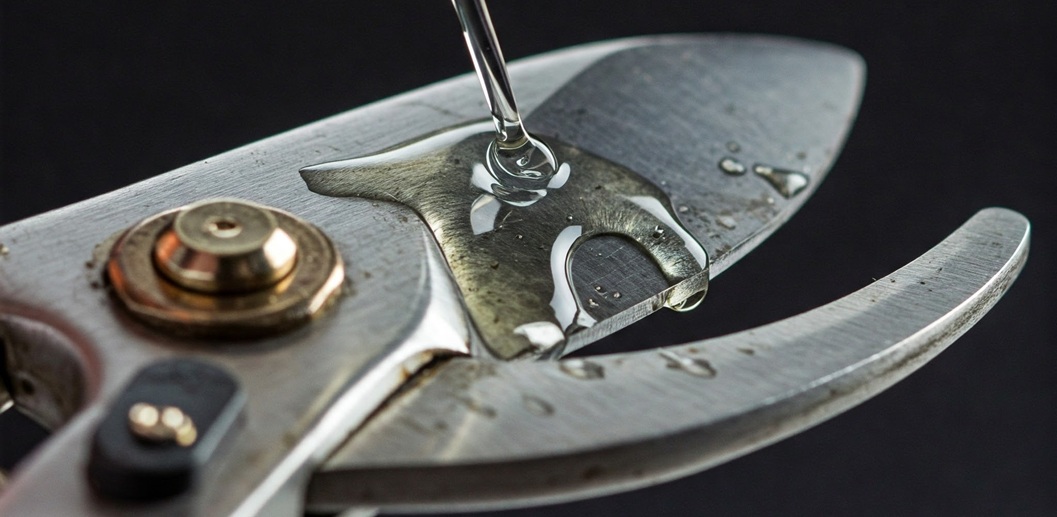
The final step is to give your pruning shears a little TLC with lubricating oil. Apply a few drops of oil, like mineral oil, to the pivot points—the areas where the blades and handles move. These moving parts benefit the most from lubrication, as it reduces friction and ensures smooth operation.
Why is this step so crucial? The oil creates a protective barrier against moisture, preventing rust from forming and keeping the metal in top condition. Regular lubrication extends the lifespan of your shears and keeps them performing effortlessly, no matter how many cuts they make.
I’ve made this a habit in my gardening routine, and it’s amazing how a small step like this can preserve tools for years of use. After oiling, wipe off any excess with a clean cloth, and your shears will be ready to tackle your next pruning job like a pro!
Wipe Clean
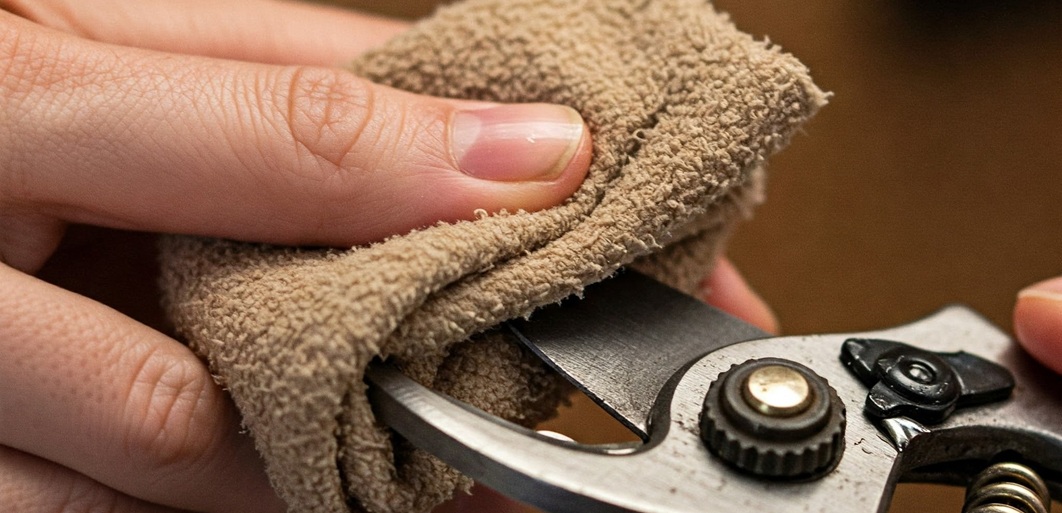
The last step is all about giving your pruning shears that polished finish. Take a clean, soft cloth and carefully wipe away any excess oil from the blades and pivot points. This helps ensure that the shears aren’t overly oily, which could attract dirt the next time you use them.
Drying the shears completely is essential—it prevents rust and keeps them ready for action. Make sure to get into all the little crevices, leaving no moisture behind. Think of this as the cherry on top of your maintenance routine, ensuring your shears are in pristine condition for your next gardening project!
Outlining the Step-by-Step Cleaning Process for Garden Pruning Shears:
| Step | Description |
|---|---|
| Remove Debris | Use a wire brush or old toothbrush to scrub blades thoroughly, removing dirt, dried sap, and residue. |
| Soak in Soapy Water | Submerge shears in warm, soapy water for a few minutes to loosen stubborn grime and sticky sap. |
| Scrub the Blades | Scrub blades again, focusing on nooks and crannies where dirt tends to hide, ensuring a thorough clean. |
| Disinfect | Dip blades in rubbing alcohol or diluted bleach solution to kill bacteria and fungi. Let air dry fully. |
| Sharpen the Blades | Use sandpaper or a sharpening stone to restore sharpness, following the blade’s original angle. |
| Lubricate | Apply mineral oil to pivot points and blades to prevent rust and ensure smooth operation. |
| Dry Thoroughly | Use a clean, dry cloth to completely dry the blades and handles to prevent rust. |
| Wipe Clean | Use a clean cloth to wipe away excess oil and moisture, leaving shears polished and dry. |
Maintaining Your Pruning Shears
Keeping your garden pruning shears clean isn’t a one-time thing. It’s about building good habits. Here’s what I’ve learned over the years of gardening about how to keep them in top shape:
Regular Cleaning: Consistency is key! I always make it a habit to clean my shears after every use—it doesn’t have to be an elaborate process. Even a simple, quick wipe-down with a clean cloth removes sap, dirt, and plant debris before they have a chance to harden or build up.
Why is this so important? Over time, accumulated residue can affect the performance of your tools, dulling the blades and making them less effective. A few seconds of cleaning after each gardening session might seem minor, but it adds up to a big difference in the lifespan and efficiency of your shears. It’s a small act of care that truly pays off in the long run!
Proper Storage: Taking care of your pruning shears doesn’t end after cleaning—they need a safe home too! Moisture is the biggest enemy of metal tools, as it can lead to rust and weaken the blades over time. To protect your shears, always store them in a dry place.
I keep mine in a designated spot in my shed, well away from any dampness or humidity. If possible, use a storage box or hang them up on a hook to ensure proper air circulation around the blades. You can also wrap them in a clean cloth or store them with a silica gel packet to absorb any lingering moisture. Proper storage is such a simple yet powerful way to extend the lifespan of your trusty shears!
Routine Sharpening: Think of pruning shears as the gardening equivalent of a kitchen knife—sharpness is everything! Regularly sharpening the blades ensures clean, precise cuts, which are better for your plants’ health and healing. Jagged or dull cuts can stress your plants and leave them vulnerable to disease, so it’s worth keeping those edges in top shape [Pruning Cuts].
To make the task easier, I always keep a sharpening stone handy. Sharpening stones are perfect for maintaining the blade’s original angle (usually around 30 degrees) and restoring that cutting edge with smooth, even strokes. It’s a quick and satisfying way to ensure your shears are performing at their best, giving you cleaner cuts and healthier plants every time.
Frequently Asked Questions (FAQs)
Q: How often should I clean my garden shears?
A: It’s best to clean your garden shears after each use to prevent the buildup of sap and other debris.
Q: Can I use WD-40 to lubricate my garden shears?
A: While WD-40 can be used as a temporary lubricant, it’s not ideal for long-term use. Mineral oil is a better choice for lubricating garden shears.
Q: How do I sharpen my garden shears?
A: You can sharpen your garden shears using a sharpening stone or a file. Be sure to follow the manufacturer’s instructions for sharpening.
Conclusion
By following these simple steps, you can keep your garden pruning shears in top condition.
Regular cleaning not only ensures better performance but also prolongs the life of your tools.
Amazon Affiliate Product Recommendations:
- Fiskars Bypass Pruning Shears
- Hewog 8.5″ Professional Pruning Shears
- gonicc 8″ Professional Premium Titanium Bypass Pruning Shears
- Premium Bypass Pruning Shears
Best Garden Shears for Pruning: Top 5 Picks
I’m John Doe, a Certified Master Gardener with over 20 years of hands-on experience in cultivating healthy and vibrant gardens. My expertise spans organic gardening, soil science, and sustainable pest control. I’ve worked extensively with community gardens and have a deep passion for sharing my knowledge to help others succeed in their gardening endeavors.